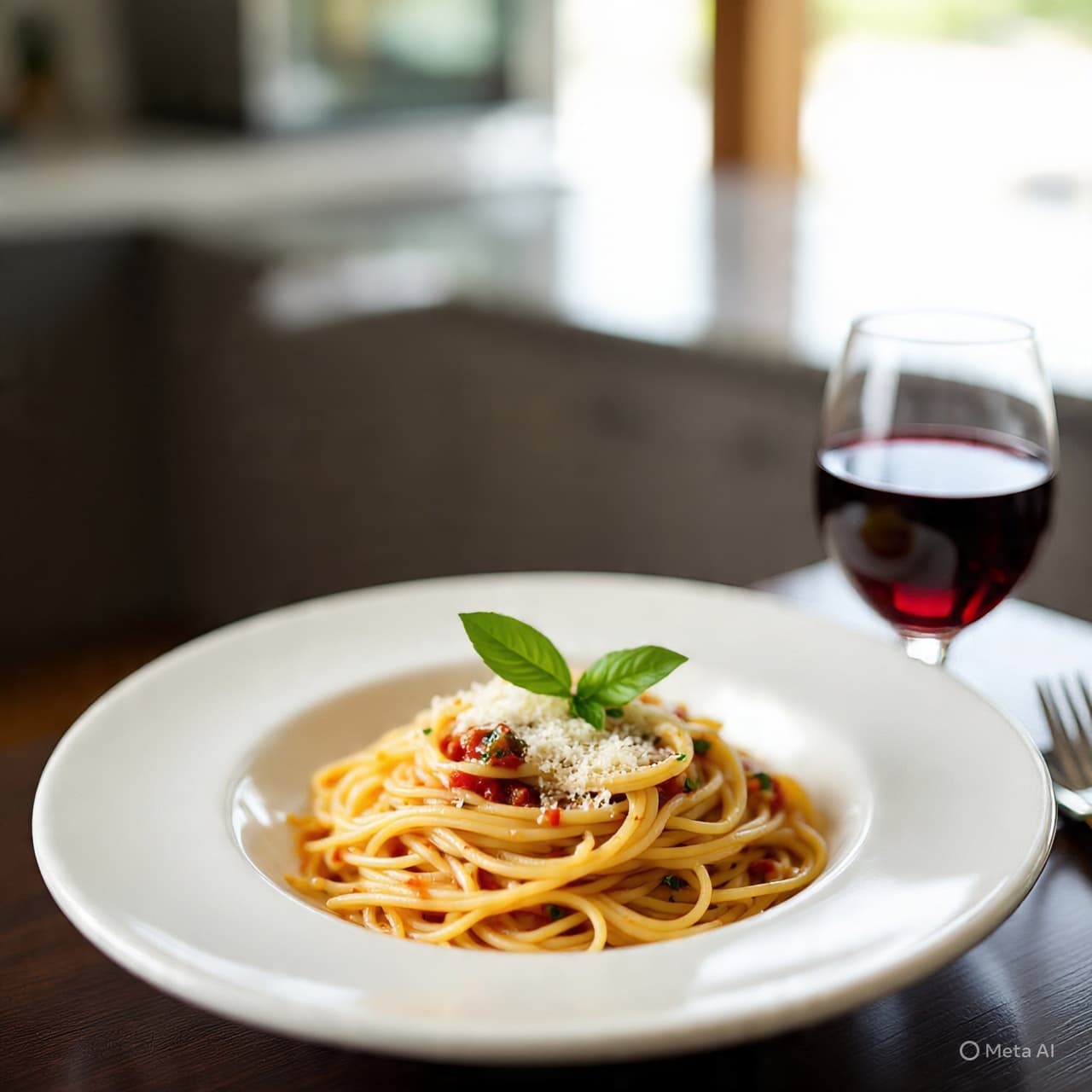
There is a quiet magic in the swirl of sauce being ladled into a bowl, in the rise of dough under a warm hand, in the laughter around a shared table. In kitchens small and large, through generations, a ritual passes down: the clatter of pots, the fragrance of herbs, the simmer of tomato and wine, the breaking of bread between hands. It is not just cooking. It is memory, identity, affection. And now, this ritual—this tapestry of flavours, gestures, and belonging—has been recognized for what it truly is: cultural heritage.
Italian cuisine has become the first national culinary tradition in the world to be honored in its entirety by UNESCO. In New Delhi on December 10, 2025, the global body inscribed Italian cooking onto its List of Intangible Cultural Heritage of Humanity — an acknowledgement not of a single dish, but of the living tradition that binds regions and families, from the northern risottos to southern ragùs, from village kitchens to Roman trattorias. UNESCO described this tradition as a “cultural and social blend of culinary traditions,” a way “to care for oneself and others, express love and rediscover one's cultural roots,” offering communities a space to share stories, pass on knowledge, and connect across generations.
Behind the scenes there was a determined effort. The Italian bid, first submitted in 2023 by the ministries of culture and agriculture, emphasized not only the diversity of regional cooking — from Lombardy’s ossobuco to Puglia’s orecchiette with turnip greens — but also the values embedded in Italian food culture: respect for ingredients, sustainability, anti-waste practices, and the intergenerational transmission of recipes and skills.
For many Italians, that recognition is about more than pride. It is a reaffirmation that cooking and sharing food is not a mundane act, but a ritual of belonging — a ritual that nurtures identity, community, memory. As one of Italy’s leading chefs said, cuisine is not just a collection of dishes, but a “language made of gestures, perfumes and flavours that hold an entire country together.”
Across the world, lovers of food may taste pizza, pasta or tiramisu — but what UNESCO recognized is far deeper: the act of cooking as a celebration of life, of relationships, of heritage. In a globalized world where food can be commodified or simplified, this decision underscores respect for culinary complexity and cultural roots, and defends the diverse mosaic behind the meals.
For Italy — and for global food culture — the recognition serves as both celebration and call to preserve. It reminds us that recipes are not static—they evolve, but their heart remains in shared kitchens, warming tables, the passing down of knowledge from one generation to another.
Italian cuisine’s journey to UNESCO heritage shows how deeply cooking can matter — not just as sustenance, but as culture, memory and community.
AI Image Disclaimer Visuals are created with AI tools and are not actual photographs, but serve as conceptual depictions.
Sources ANSA, Reuters, The Guardian, Euronews, The Washington Post
Published by Banx Network. This article is part of the Banx decentralized media programme, powered by the BXE token on the XRP Ledger.