In the quiet domes of the Belgrade Astronomical Observatory, a new memorandum of understanding has been signed that looks not at the stars, but at the ghosts we have left behind. As our orbital paths become increasingly crowded with the fragments of half a century of exploration, the risk of collision has turned from a theoretical concern into a daily reality. The MOSAIC project, a strategic collaboration between Serbia and China's DFH Satellite Co., represents a new era of space situational awareness—a way of mapping the unseen shrapnel of the void.
To understand MOSAIC is to recognize that space is no longer a pristine wilderness, but a busy harbor that requires constant dredging. The project involves the development of specialized telescope networks designed to track "space debris"—the defunct satellites, spent rocket stages, and tiny flecks of paint that zip around our planet at lethal speeds. By hosting these tracking stations, Serbia becomes a vital node in a global web of protection, ensuring that the path to the stars remains open for the next generation of explorers.
There is a particular kind of irony in using the world’s most sophisticated optics to look for junk. Yet, for the astronomers in Belgrade, this work is as essential as any deep-sky survey. They are the cartographers of the "orbital cemetery," turning the chaotic motion of debris into a predictable and manageable data set. It is a narrative of responsibility, an admission that if we are to inhabit the high frontier, we must first learn to clean our own doorstep. The MOSAIC project is the broom that sweeps the celestial path.
As the memorandum was signed in March 2026, the mood was one of pragmatic optimism. The collaboration brings together the heritage of Serbian observation with the rapid technological expansion of the Chinese space sector. It is a partnership that recognizes that the safety of the "global commons" of space cannot be achieved by any one nation alone. Through MOSAIC, Belgrade provides the strategic coordinate and the scientific expertise to monitor the high-energy environment of the Earth’s orbit, protecting the vital satellites that power our modern world.
Ultimately, the launch of the MOSAIC collaboration marks Serbia’s emergence as a key player in international planetary defense and orbital safety. By integrating local observatories into a high-capacity tracking network, the project significantly improves our ability to predict and avoid catastrophic collisions in space. This scientific milestone ensures that the Serbian Astronomical Observatory remains at the cutting edge of 21st-century astrophysics. In the steady gaze of the MOSAIC lenses, the silent dangers of the sky are finally brought into the light.
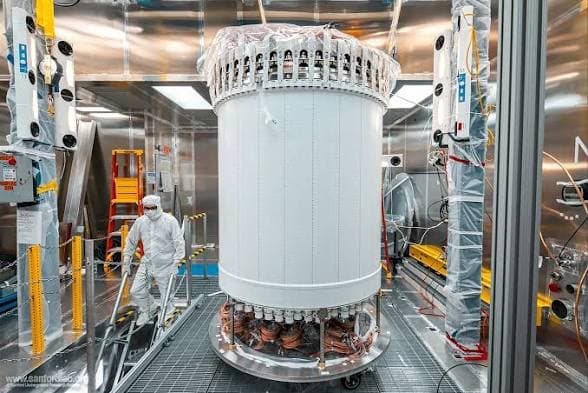
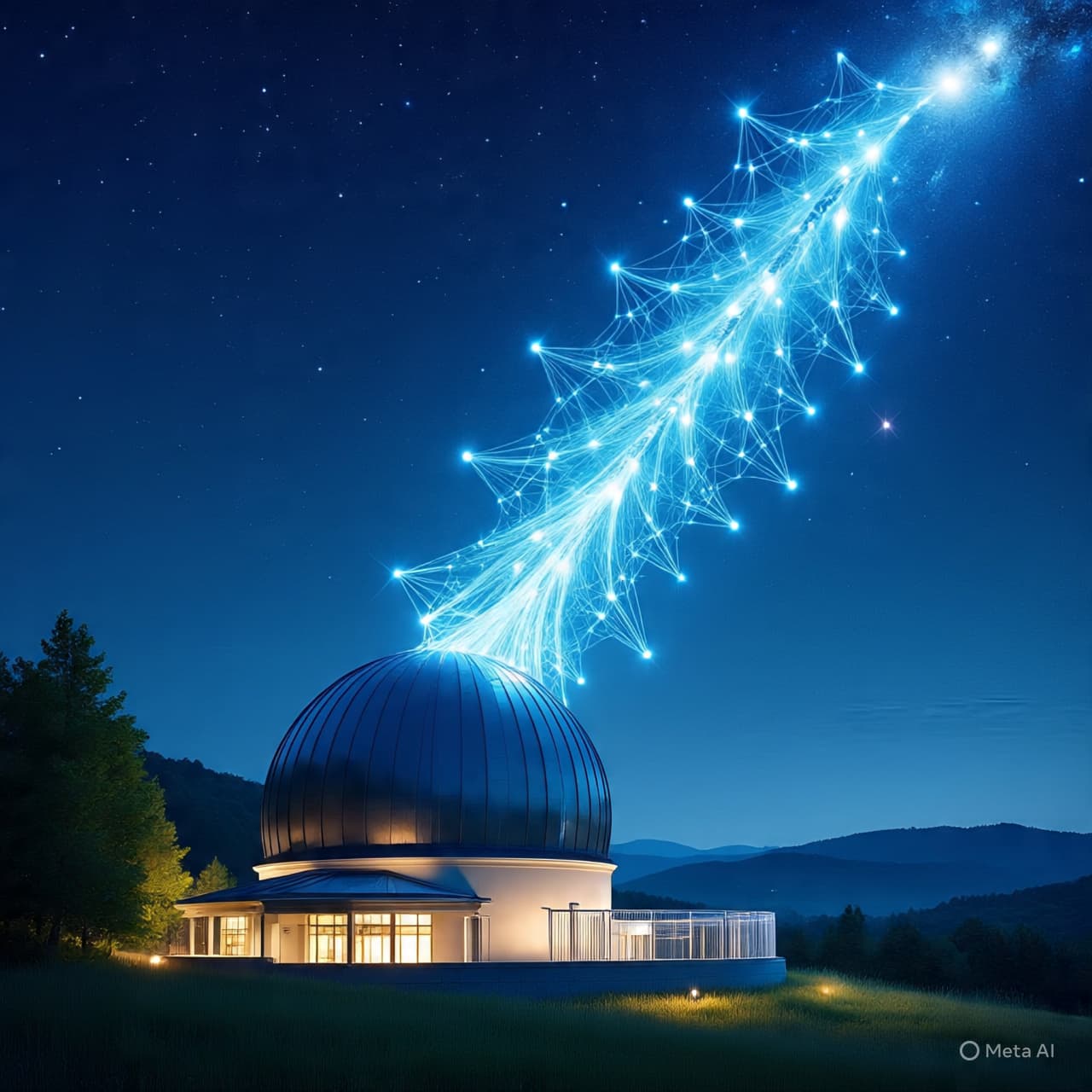
AI Disclaimer “Visuals are AI-generated and serve as conceptual representations.”
Published by Banx Network. This article is part of the Banx decentralized media programme, powered by the BXE token on the XRP Ledger.