
Key Highlights
- New Collaboration:Serbia and China launch the MOSAIC project to track space debris.
- Orbital Safety:The initiative aims to enhance safety for satellites and future space missions.
- Technological Advancement:Serbia's observatories will play a crucial role in global space situational awareness.
The Belgrade Astronomical Observatory has recently signed a memorandum of understanding that signifies a pivotal shift in how we approach the growing issue of space debris. As the cosmos becomes increasingly cluttered with remnants from decades of space exploration, the MOSAIC project emerges as a crucial initiative aimed at enhancing our understanding and management of this orbital debris. This collaboration between Serbia and China's DFH Satellite Co. marks a significant step towards improved space situational awareness, allowing for better tracking of the hazardous remnants that threaten both satellites and future missions.
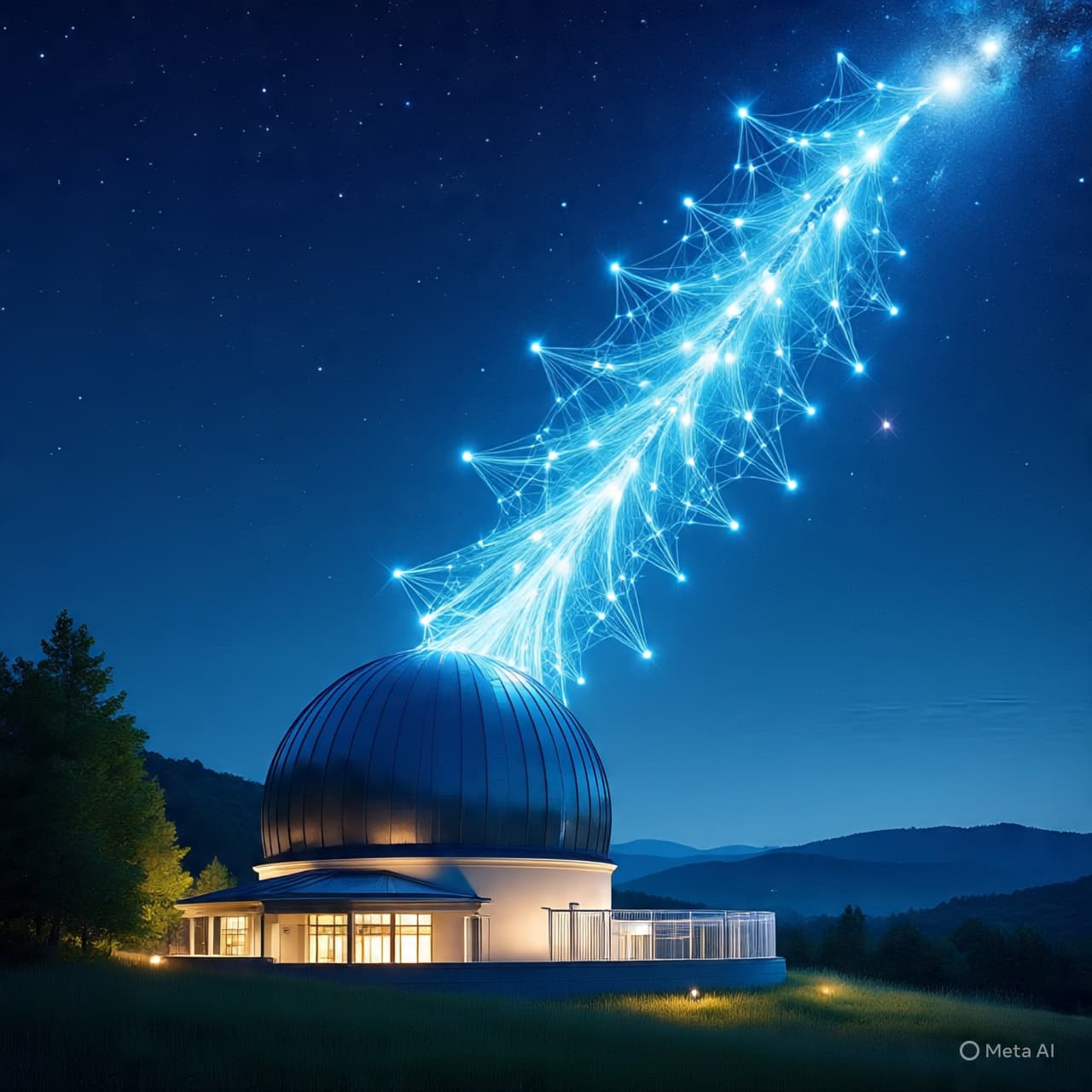
MOSAIC is not just a project; it represents a new paradigm in how we view our orbital environment. The initiative focuses on developing specialized telescope networks that will monitor the myriad of defunct satellites, spent rocket stages, and even tiny flecks of paint that travel at high velocities around our planet. By establishing these tracking stations, Serbia positions itself as a key player in a global network dedicated to ensuring the safety of space travel. This proactive approach is essential as we continue to explore beyond our planet.
The irony of employing advanced optical technology to monitor space debris is not lost on the scientists involved. However, for the astronomers at the Belgrade Observatory, this task is as critical as any traditional astronomical survey. They are tasked with mapping what has been termed the 'orbital cemetery,' transforming chaotic debris movements into manageable data sets. This responsibility underscores the necessity of maintaining a clean orbital environment, which is vital for the sustainability of future space exploration.
The signing of the memorandum in March 2026 was marked by a sense of pragmatic optimism. This partnership not only combines Serbia's rich history of astronomical observation with China's rapid advancements in space technology but also highlights the importance of international cooperation in addressing the challenges posed by space debris. The MOSAIC project acknowledges that the safety of space is a shared responsibility that cannot be managed by any single nation.
Through this collaboration, Serbia will contribute its scientific expertise and strategic positioning to monitor the high-energy environment of Earth's orbit. This initiative is expected to significantly enhance our ability to predict and prevent potential collisions, thereby safeguarding the satellites that are integral to our modern infrastructure.
The launch of the MOSAIC project marks a significant milestone for Serbia, establishing it as a key player in the realm of international planetary defense and orbital safety. By integrating local observatories into a high-capacity tracking network, the project not only enhances Serbia's scientific capabilities but also ensures that the Belgrade Astronomical Observatory remains at the forefront of 21st-century astrophysics. With the MOSAIC lenses focused on the skies, the hidden dangers of space are finally being illuminated, paving the way for safer exploration in the future.
Published by Banx Network. This article is part of the Banx decentralized media programme, powered by the BXE token on the XRP Ledger.



