
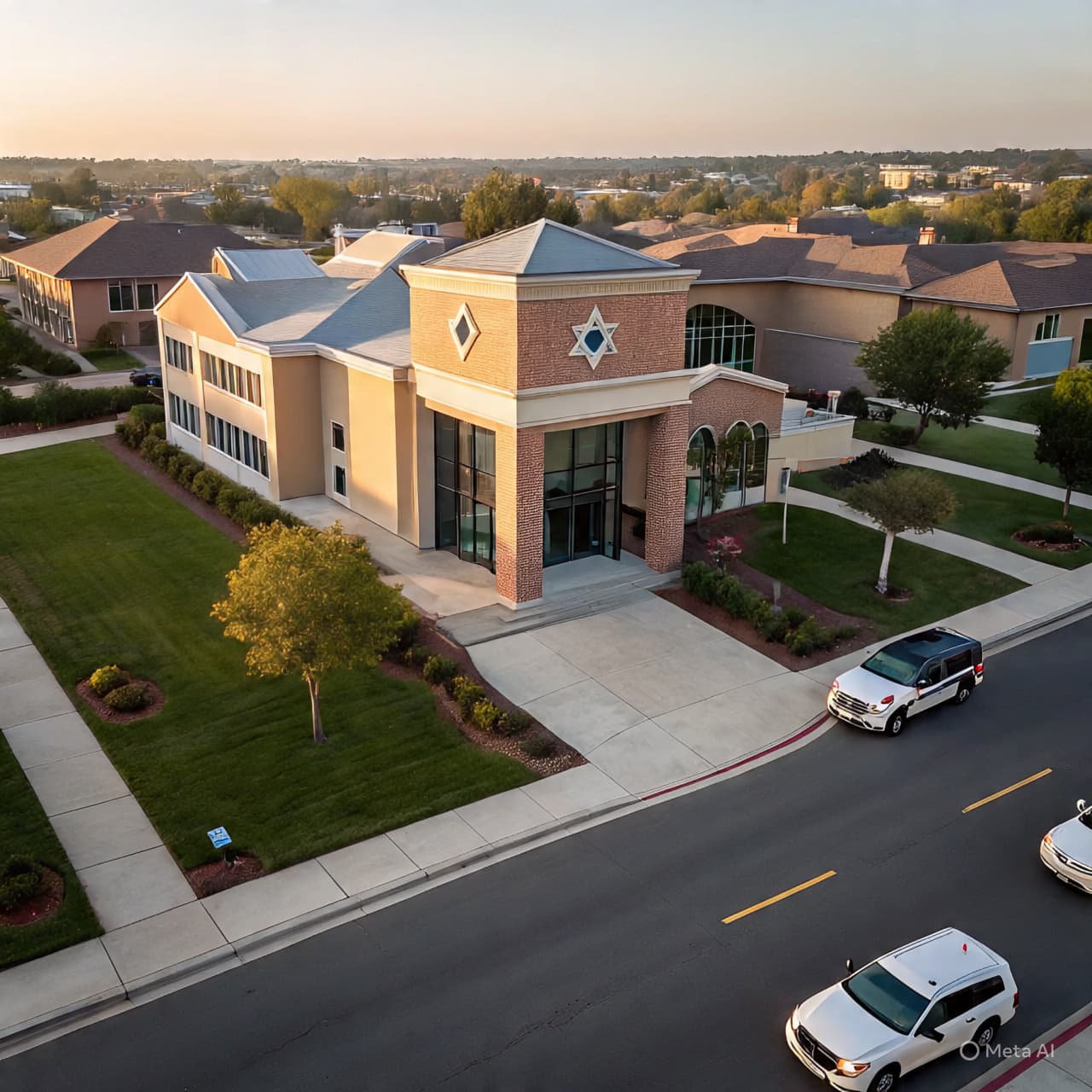
Key Highlights
- Incident:A man drove into a synagogue in West Bloomfield, Michigan.
- Casualties:One guard injured; the attacker was killed at the scene.
- Community Impact:140 children evacuated safely during the incident.
On a typical morning in West Bloomfield Township, Michigan, the community awakens to the gentle rhythm of suburban life. However, this tranquility was abruptly shattered when a man drove his vehicle into the Temple Israel synagogue complex, transforming a place of worship into a scene of chaos and fear. The swift response from security personnel prevented a potentially catastrophic situation, but the shockwaves of the incident reverberated throughout the community, raising profound questions about the intersection of distant conflicts and local safety.
Authorities have identified the assailant as a 41-year-old man who had resided in the Detroit area for several years. Reports indicate that he attempted to breach the synagogue after crashing his vehicle into the building. The confrontation concluded with the attacker dead at the scene, while one security guard sustained injuries. Emergency responders were dispatched as smoke from the burning vehicle spread across the property, heightening the urgency of the situation.
At the time of the attack, approximately 140 children were present in classrooms and childcare areas within the synagogue. Thanks to established security protocols, the evacuation was executed swiftly and efficiently, ensuring the safety of all individuals involved. The building's safety measures, designed for such emergencies, proved effective in mitigating what could have been a far worse tragedy.
As investigators delved into the background of the attacker, a more complex narrative began to unfold. Officials in Lebanon reported that the man had recently lost several family members in an Israeli airstrike that targeted a home in the town of Mashgharah. Among the victims were two of his brothers and a niece and nephew. This tragic loss occurred amid escalating military tensions between Israel and armed groups in Lebanon, a conflict that has persisted for months and has had far-reaching consequences for families on both sides of the globe.
Authorities in the United States are now examining whether the recent deaths of the attacker's relatives influenced his actions in Michigan. While determining the motive may take time, the connection between personal grief and distant violence adds a troubling layer to the story, illustrating how the impacts of international conflicts can seep into local communities.
For the Jewish community in West Bloomfield and the broader Detroit area, this incident serves as a stark reminder of the vulnerabilities that religious institutions face. In recent years, synagogues, churches, and other places of worship across the United States have bolstered their security measures while striving to maintain an atmosphere of openness and welcome. Community leaders have praised the quick actions of trained security staff, which played a crucial role in preventing a more devastating outcome.
Despite the immediate danger having passed, the emotional aftermath of the incident lingers. This event underscores a modern reality where the boundaries between conflict and calm are increasingly blurred. News, grief, and fear can traverse borders with alarming speed, fueled by familial ties and digital communication, connecting individuals to events far removed from their daily lives.
In the wake of the attack, the synagogue in West Bloomfield has resumed its regular activities, with classes and community gatherings returning to normal. However, the incident remains a poignant reminder of the fragile balance between safety and vulnerability in a world where local and global events are inextricably linked.
Published by Banx Network. This article is part of the Banx decentralized media programme, powered by the BXE token on the XRP Ledger.



