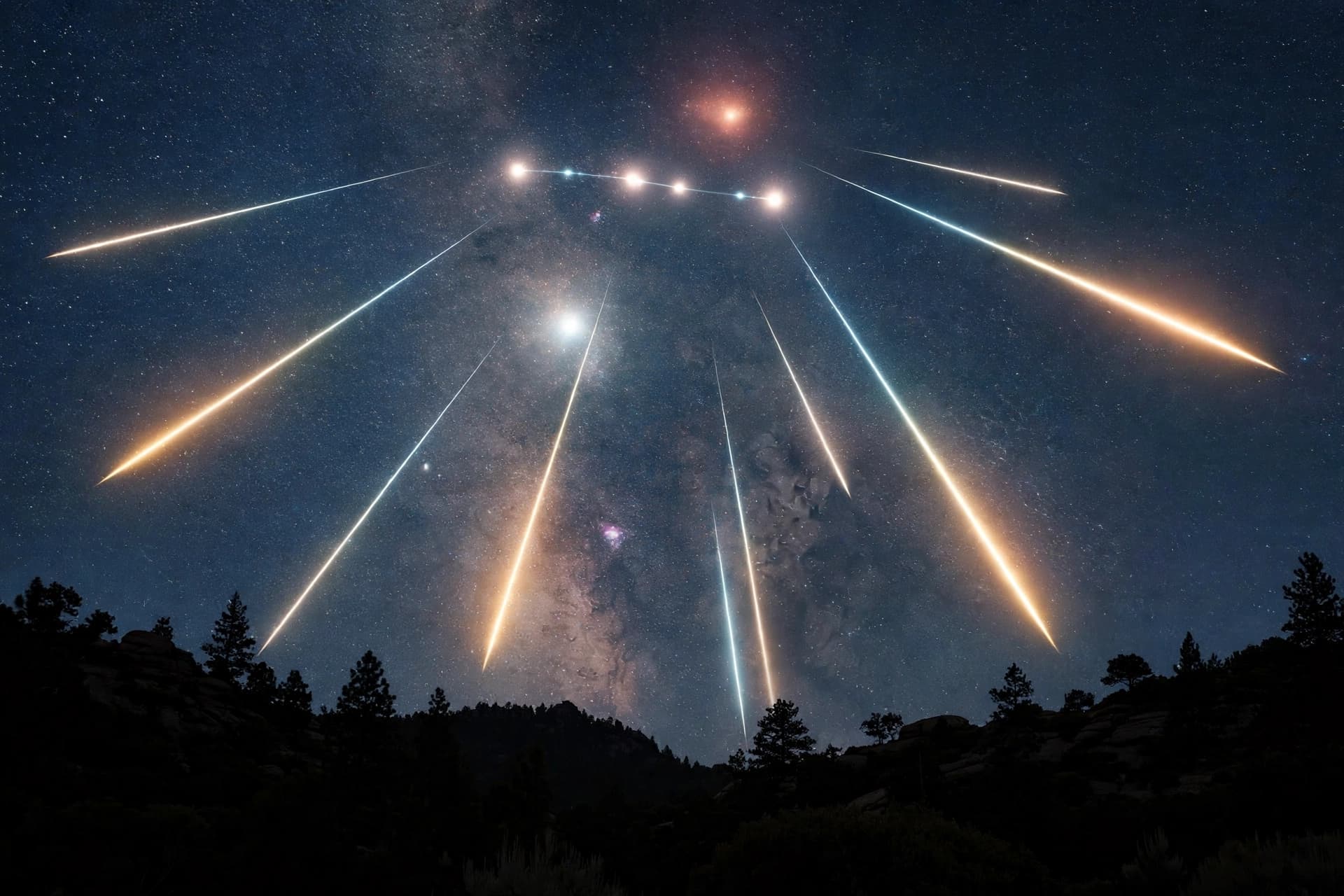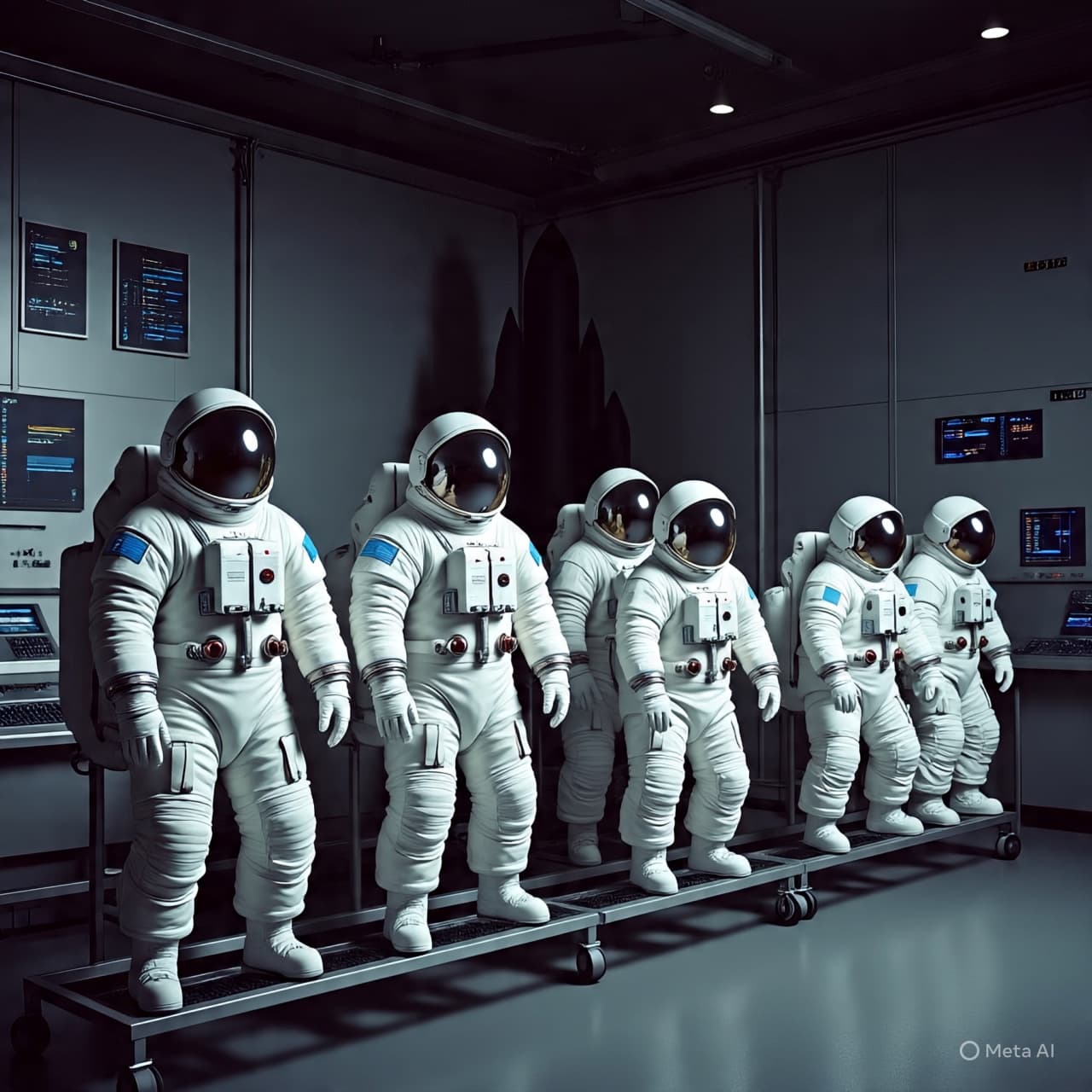
At the heart of this story is NASA’s Space Launch System (SLS) rocket, the towering vehicle designed to carry astronauts beyond low Earth orbit for the first time in more than half a century. In early February 2026, NASA engineers conducted what is known as a “wet dress rehearsal,” a full practice run of fueling and countdown procedures that is meant to be the final proving ground before a real launch.
This two-day exercise involved loading more than 700,000 gallons of cryogenic liquid hydrogen and oxygen — the propellants that will fire the rocket’s engines — into the SLS’s tanks. But as the countdown wound toward the final minutes, a persistent leak of hydrogen at a critical interface between ground support lines and the rocket’s core stage triggered automatic safety triggers and forced controllers to pause operations.
The leak echoing across the launch pad is not a brand-new issue. Similar hydrogen leaks were encountered during the uncrewed Artemis I mission’s prelaunch tests in 2022, where hydrogen seeped at the tail service mast umbilical and led to repeated delays before the mission finally launched successfully.
Engineers spent hours troubleshooting the 2026 leak, stopping and restarting the flow of liquid hydrogen, warming seals to encourage them to reseat, and adjusting propellant rates — precisely the kind of careful, iterative work that characterizes complex spaceflight preparation.
Despite these efforts, a spike in leak rates near T-5 minutes in the simulated countdown forced NASA’s ground sequencer to halt the rehearsal. As a result, the agency announced a slip in Artemis II’s launch window from early February to March 2026, in part to allow teams time to review data, make adjustments, and conduct another rehearsal.
This latest delay, while frustrating, underscores a core truth of deep-space exploration: that even after years of engineering work, potential faults can only fully reveal themselves under exacting test conditions. The spacecraft and launch vehicle must meet the highest safety and reliability standards before four astronauts — three Americans and one Canadian — make their historic lunar flyby journey.
AI Image Disclaimer (Rotated)
“Graphics are AI-generated and intended for representation, not reality.”
Sources (Credible Mainstream/Niche Media)
Reuters
Associated Press
NASA official blog
Space.com
WFTV
Scientific American
Published by Banx Network. This article is part of the Banx decentralized media programme, powered by the BXE token on the XRP Ledger.