
Key Highlights
- Viral Video:A clip of Punch the baby monkey sparked global concern.
- Zoo Response:Officials clarified the context of the video, emphasizing animal care.
- Public Reaction:The incident highlights widespread empathy for animal welfare.
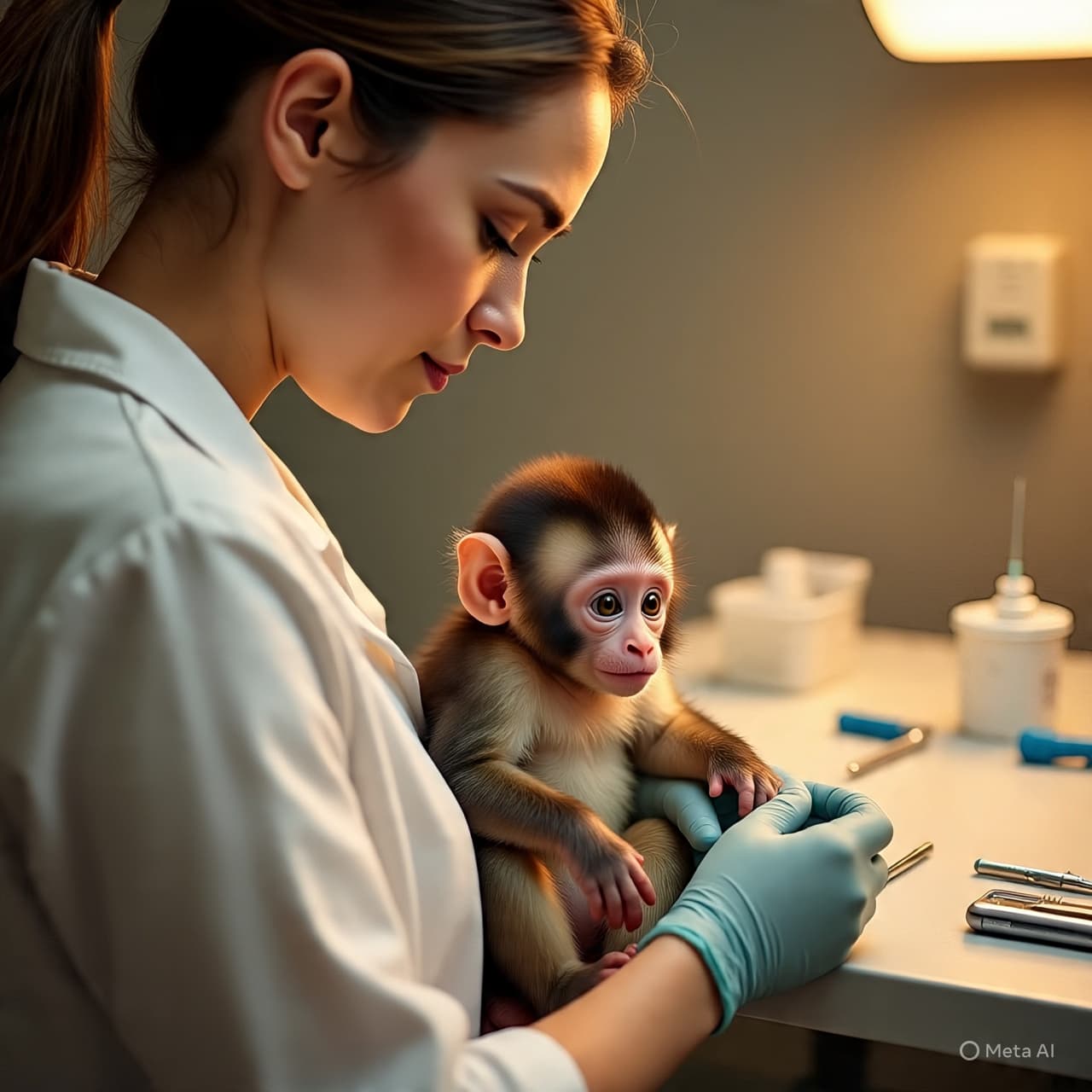
The story of Punch, a baby monkey from a Japanese zoo, has captivated audiences worldwide after a viral video depicted what many interpreted as distressing treatment. The clip quickly spread across social media, igniting a wave of concern and compassion from viewers who felt compelled to protect the vulnerable animal. This immediate emotional response underscores a broader societal awareness of animal welfare issues.
In light of the public outcry, the Ichikawa City Zoo, where Punch resides, issued a statement to clarify the situation. Zoo officials explained that the video, while striking, did not provide the full context of the interaction. They emphasized that the actions shown were part of standard care procedures conducted by trained staff, aimed at ensuring the health and safety of the young monkey.
The zoo's statement highlighted that infant primates, like Punch, often require close supervision and specialized care that may not always align with human expectations of gentleness. Such procedures, while they may appear abrupt or uncomfortable when viewed out of context, are essential for the well-being of the animals. This clarification serves to remind the public that not all actions taken in animal care are easily understood without a comprehensive understanding of the circumstances.
The overwhelming public response to Punch's video reflects a deep-seated empathy for animals, even those that people may never encounter in person. This instinct to protect and advocate for vulnerable creatures speaks volumes about societal values regarding animal welfare. It also highlights the importance of transparency in how institutions like zoos operate, as the public increasingly demands ethical treatment of animals in captivity.
Moreover, the incident sheds light on the limitations of short-form media. A brief video clip, stripped of its broader context, can significantly shape public perception. Without adequate context, viewers may misinterpret necessary actions as harmful, leading to misunderstandings about animal care practices. This situation serves as a poignant reminder of the power of media to influence perceptions and the importance of seeking out comprehensive information before forming conclusions.
The Ichikawa City Zoo has reiterated its commitment to the welfare of all its animals, including Punch. They recognize the public's concern as an opportunity to engage in dialogue about animal care practices and to clarify their procedures. By fostering open communication, the zoo aims to build trust with the community and enhance understanding of the complexities involved in animal care.
Ultimately, the story of Punch is not merely about a single viral video or a moment of concern. It encapsulates the broader themes of interpretation, empathy, and the need for context in our understanding of animal welfare. As viewers, it is crucial to look beyond the surface and consider the full narrative behind the images we see, recognizing that there is often much more to understand than what meets the eye.
Published by Banx Network. This article is part of the Banx decentralized media programme, powered by the BXE token on the XRP Ledger.



