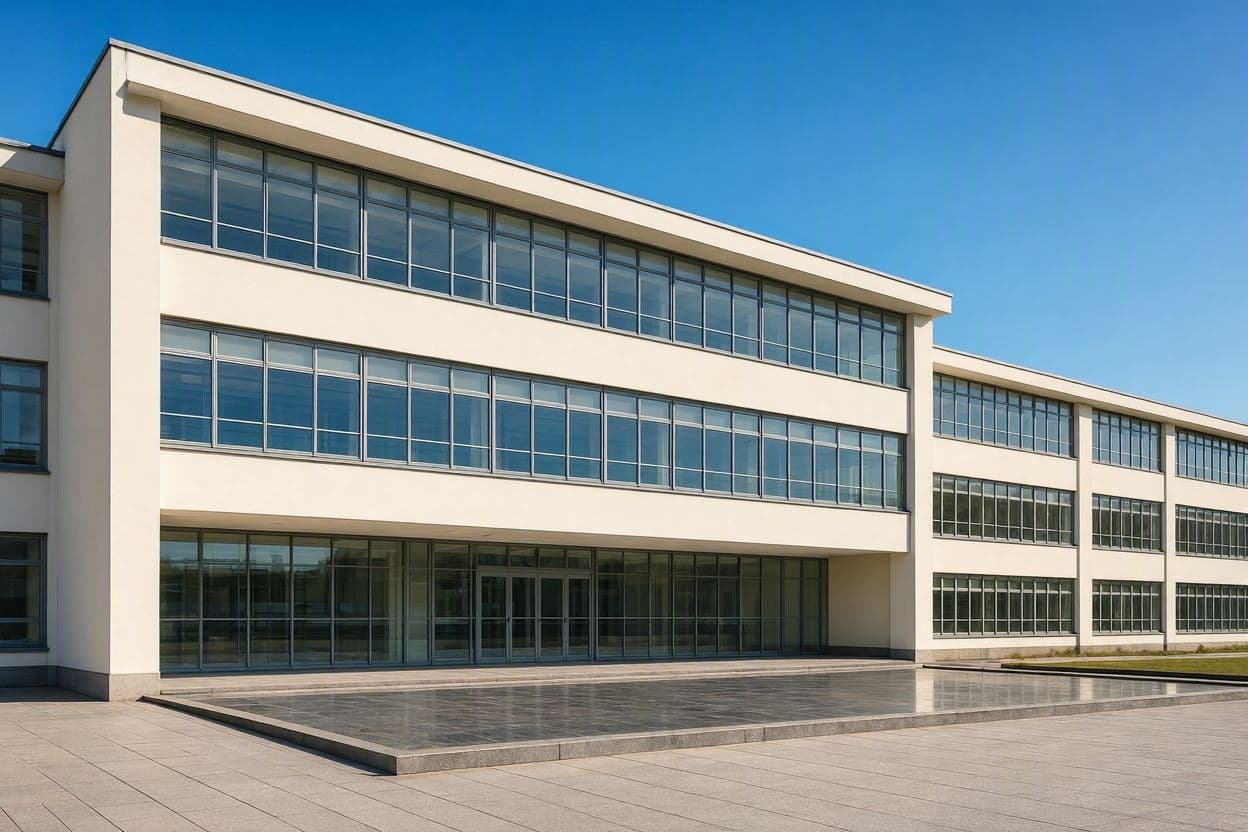
In the annals of modern design, few names resonate with as much clarity and purpose as the Bauhaus. Founded a century ago in Weimar, this school revolutionized architecture and art by marrying function with form, embodying a spirit of internationalism and progressive thought. Today, however, this cultural beacon has found itself at the center of a political storm. As Germany prepares for a landmark state election in Thuringia, the far-right Alternative for Germany (AfD) party has singled out the Bauhaus brand for criticism, framing it as a symbol of elitism and foreign influence. This rhetorical shift highlights a broader tension between historical heritage and contemporary populist narratives.
The AfD’s campaign rhetoric has increasingly focused on cultural identity, often positioning traditional German values against what it perceives as globalist ideologies. By targeting the Bauhaus, which was founded by Walter Gropius and included many international artists, the party taps into a narrative that views modernism as disconnected from local roots. Critics argue that this stance overlooks the school’s profound contribution to German soft power and its status as a UNESCO World Heritage site. The debate is less about architecture and more about who gets to define national culture.
Weimar, the birthplace of the Bauhaus, is now a battleground for these competing visions. The city, also known for its classical heritage associated with Goethe and Schiller, attracts tourists and scholars from around the world. Local officials and cultural institutions have defended the Bauhaus legacy, emphasizing its role in fostering creativity and innovation. They argue that attacking such an institution undermines the region’s economic and cultural vitality, which relies heavily on its historical significance.
The timing of this controversy is crucial, coinciding with a pivotal election that could see the AfD gain significant influence in state government. Political analysts suggest that cultural issues are being used to mobilize base voters who feel left behind by rapid social changes. By challenging established cultural icons, the party seeks to disrupt the status quo and present itself as a defender of "authentic" heritage. This strategy reflects a trend seen in other European countries where right-wing movements question mainstream historical narratives.
Educators and historians have expressed concern that politicizing the Bauhaus could lead to a revisionist view of history. The school was closed by the Nazis in 1933, who deemed its modernist style "degenerate." Drawing parallels to this dark chapter, defenders of the Bauhaus warn against allowing ideological prejudices to distort historical truth. They emphasize the importance of preserving the school’s legacy as a testament to artistic freedom and intellectual openness.
Despite the political noise, the Bauhaus continues to inspire designers and architects globally. Its principles of simplicity and functionality remain relevant in contemporary design. The ongoing debate serves as a reminder of the power of cultural symbols in political discourse. It raises questions about how societies remember their past and what values they choose to highlight in the present.
As the election approaches, the focus remains on whether voters will prioritize economic concerns or cultural identity. The outcome in Thuringia could have implications for national politics, influencing how cultural institutions are funded and protected. The Bauhaus, standing firm in Weimar, remains a silent observer of this democratic process, its buildings enduring while the political landscape shifts around them.
The targeting of the Bauhaus school by the AfD ahead of the Thuringia election underscores the growing intersection of culture and politics in Germany, raising questions about heritage and national identity.
AI Image Disclaimer: Please note that the visuals accompanying this article are AI-generated interpretations intended to illustrate the architectural and political themes discussed.
Sources: Deutsche Welle The Art Newspaper Politico Europe Der Spiegel
Published by Banx Network. This article is part of the Banx decentralized media programme, powered by the BXE token on the XRP Ledger.