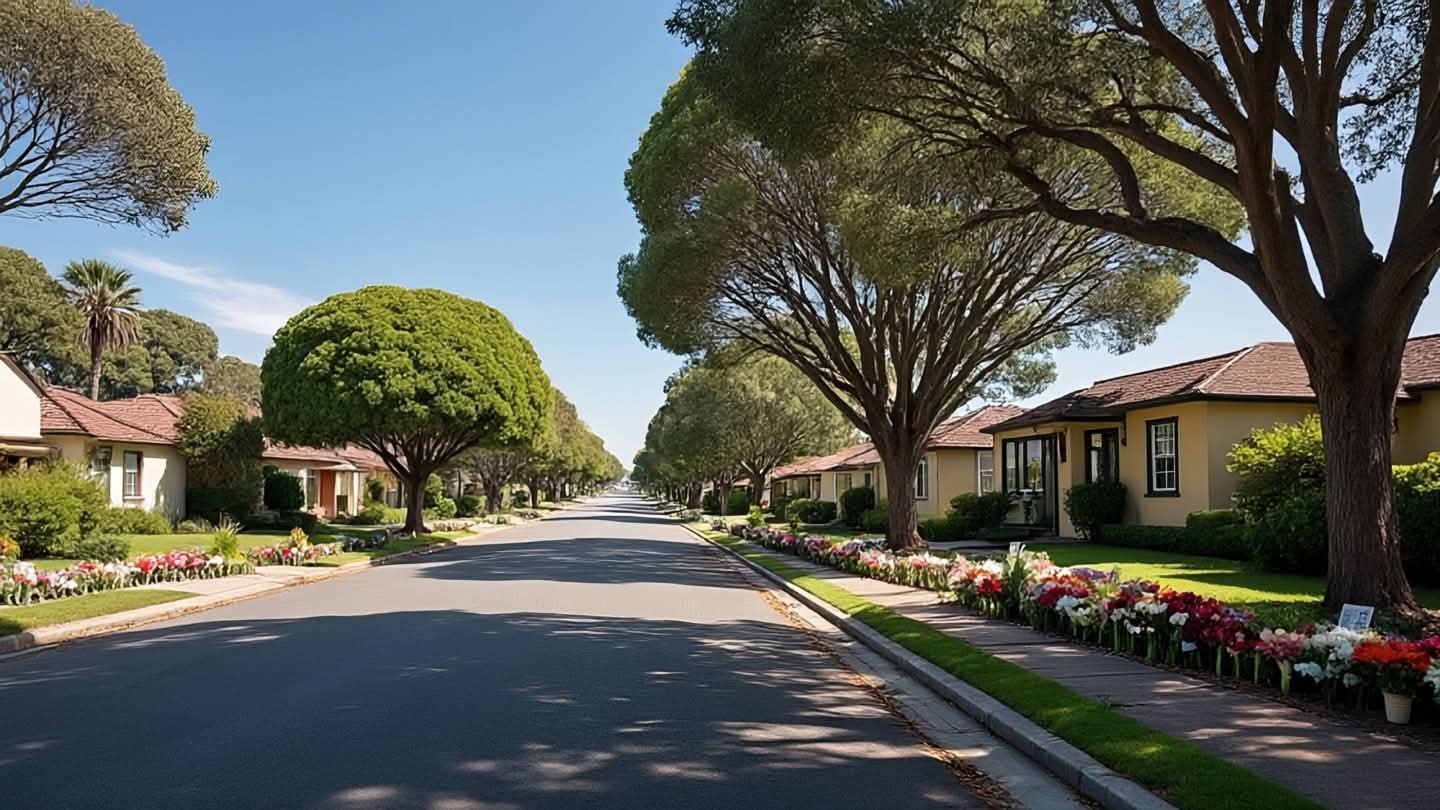
There are moments when movement is no longer a choice, but a necessity—when roads once taken for routine become paths of departure, and homes are left not with certainty, but with hope that they may one day be returned to. In such moments, numbers begin to tell stories, though never fully capturing what it means to leave behind the familiar.
In Lebanon, more than one million people have been displaced following evacuation orders issued by Israel amid escalating tensions along the border. The scale of movement marks one of the most significant population shifts in the region in recent memory, unfolding gradually yet persistently as communities respond to growing security concerns.
The evacuations come as cross-border hostilities intensify, with exchanges of fire and military activity shaping the environment in which civilians find themselves. Israeli authorities have framed the evacuations as a precautionary measure, aimed at reducing civilian exposure in areas considered at risk. Yet for those affected, the distinction between precaution and disruption becomes less clear when daily life is interrupted.
Families have moved inland, seeking shelter with relatives, in temporary accommodations, or in facilities prepared to receive those displaced. The process, while organized in parts, carries an inherent uncertainty. Each departure is accompanied by questions—about duration, safety, and the possibility of return.
Infrastructure and public services in receiving areas are under increasing strain. Schools, healthcare facilities, and local resources are adjusting to accommodate the influx, reflecting both resilience and limitation. Humanitarian organizations are also present, working to provide assistance where needed, though the scale of displacement presents ongoing challenges.
The broader context is shaped by the continued tensions between Israel and armed groups operating in southern Lebanon, including Hezbollah. The situation remains fluid, with developments on the ground influencing decisions that affect large populations in real time.
International observers have expressed concern over the humanitarian implications of such widespread displacement. Calls for restraint and de-escalation continue, alongside efforts to monitor the evolving situation. As with many complex conflicts, responses are measured, reflecting both urgency and the need for careful coordination.
For those who have left their homes, the experience extends beyond physical relocation. It reshapes routines, alters community ties, and introduces a period of waiting that can be difficult to define. The passage of time, in such circumstances, becomes intertwined with the hope for clarity.
At the same time, the region’s history offers a reminder that displacement, while deeply disruptive, is not unfamiliar. Communities have, in the past, navigated similar moments, drawing on resilience even as they face uncertainty.
As the situation continues to develop, authorities and humanitarian groups remain engaged in addressing immediate needs. Efforts to support displaced populations are ongoing, with attention focused on shelter, food, and access to essential services.
For now, the number—more than one million—stands as both a measure and a reflection. Behind it are individual journeys, each marked by departure and the quiet expectation that one day, the path may lead back.
AI Image Disclaimer Illustrations were produced with AI and serve as conceptual depictions.
Source Check (Credible Media Identified):
Reuters Associated Press BBC News Al Jazeera The New York Times
Published by Banx Network. This article is part of the Banx decentralized media programme, powered by the BXE token on the XRP Ledger.