There is a particular kind of tension that arises when celebration meets conservation—when the impulse to mark a milestone collides with the obligations of stewardship. Botswana, home to the world's largest elephant population, found itself in that tension this week as it marked sixty years of independence from Britain. To provide meat for the traditional feasting that accompanies such occasions, the government authorized the killing of twenty-three elephants across eight districts, a decision that has drawn sharp criticism from animal protection groups and reignited a long-simmering debate about how a nation lives alongside its wildlife.
The license, issued by the Ministry of Environment and Tourism, permitted the hunting of the elephants and other wild animals for what it described as "complimentary purposes". The meat was to be served as part of Independence Day celebrations, a diamond jubilee that included carnivals, cultural performances, and sporting events across the country. Local media published images of residents gathering around elephant carcasses, some with knives in hand, sharing the meat in scenes that officials later acknowledged raised concerns about dignity and fairness in distribution.
The backlash was swift. The Botswana-based Elephant Protection Society warned that the decision could undermine conservation efforts and encourage poaching by creating the impression that killing elephants is acceptable when sanctioned by the government. Oaitse Nawa, the group's chairman, told the BBC that elephants need greater protection and that they have "lost their social structures because they are always being pushed from one place to another by gunshots". The slaughter of herd members, the group warned, could make surviving elephants more aggressive and increase danger to human communities.
Concerns extended beyond conservation. An outbreak of foot-and-mouth disease in the country prompted worries about the safety of consuming game meat, with authorities imposing measures to contain the spread. A local member of parliament from Chobe, a wildlife-rich district near the borders with Namibia, Zambia, and Zimbabwe, raised objections after residents reportedly collected portions directly from a carcass at a school. He called for the meat to be processed into five-kilogram or ten-kilogram packages to improve hygiene and ensure fairer distribution, particularly for elderly people, pregnant women, and people with disabilities.
The decision has reignited a debate that has never fully quieted in Botswana. The country banned trophy hunting in 2014 under former President Ian Khama, then lifted the restrictions five years later under his successor, Mokgweetsi Masisi, and hunting has continued under President Duma Boko, who took office after the 2024 election. The government has consistently defended regulated hunting as a way to manage human-wildlife conflict while generating income for communities. Environment and Tourism Minister Wynter Mmolotsi told parliament last year that special elephant quotas raised 15.6 million pula, or about $1.1 million, in 2025 for projects in areas where elephants are found.
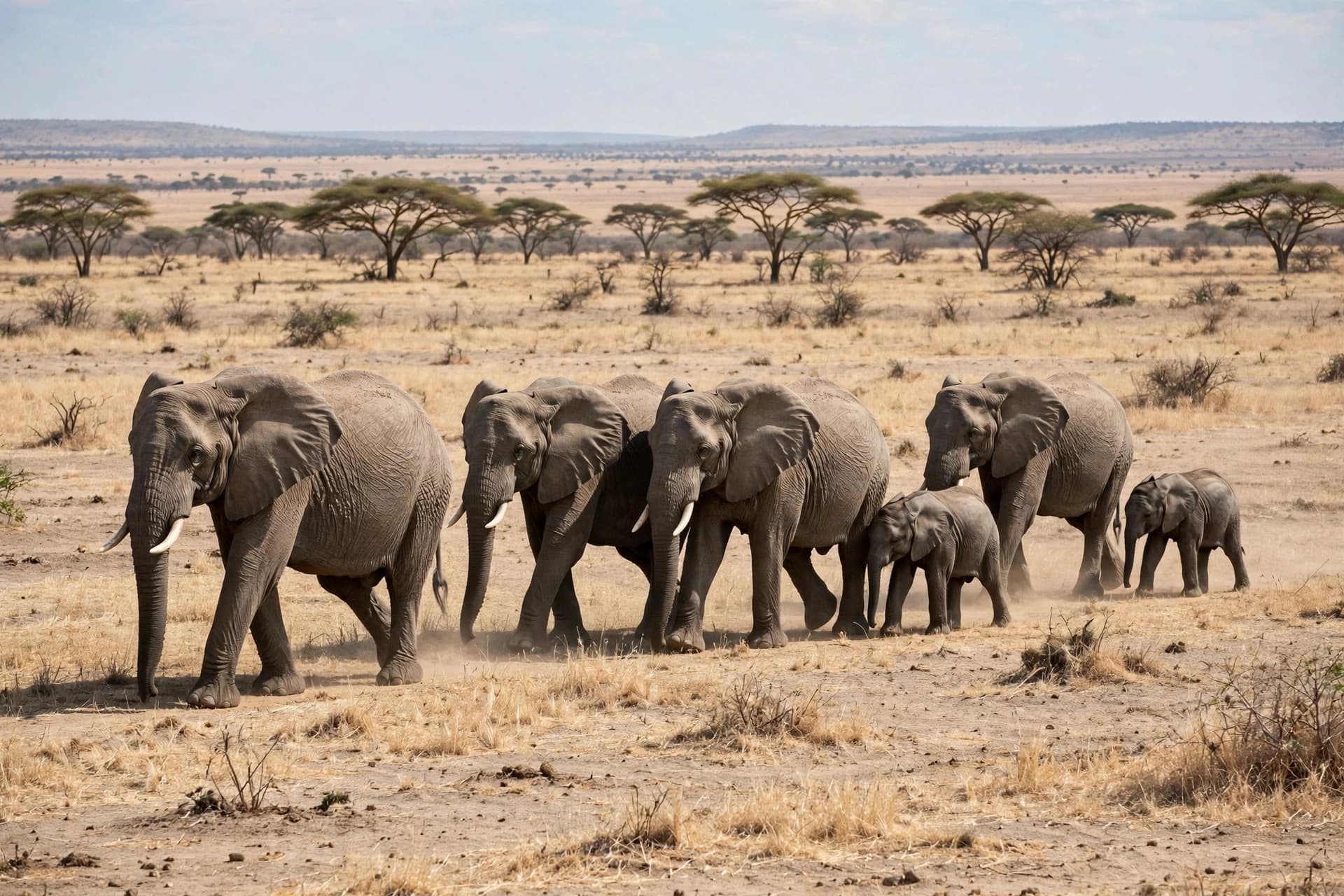
Supporters of the policy argue that international criticism often overlooks the costs borne by rural communities living alongside one of the world's largest concentrations of elephants. Botswana has more than 130,000 elephants, and communities in their range have long complained about crops destroyed, property damaged, and people killed. The government frames its hunting policy as a necessary balancing act—one that acknowledges both the ecological significance of elephants and the daily realities of those who live near them.
The celebration has passed, and the meat has been distributed. But the questions raised by the decision—about the ethics of killing for a feast, about the sustainability of hunting quotas, about who bears the cost of conservation—remain unresolved. Botswana's elephant population is a source of national pride and a source of tension. How the country manages that dual identity is a matter that will continue to be debated long after the diamond jubilee banners have been taken down.
---
AI Image Disclaimer: The images in this article were created with artificial intelligence tools and do not depict actual persons, animals, or events.
Sources: BBC, Voice of Nigeria, allAfrica, Tokyo Shimbun
Published by Banx Network. This article is part of the Banx decentralized media programme, powered by the BXE token on the XRP Ledger.