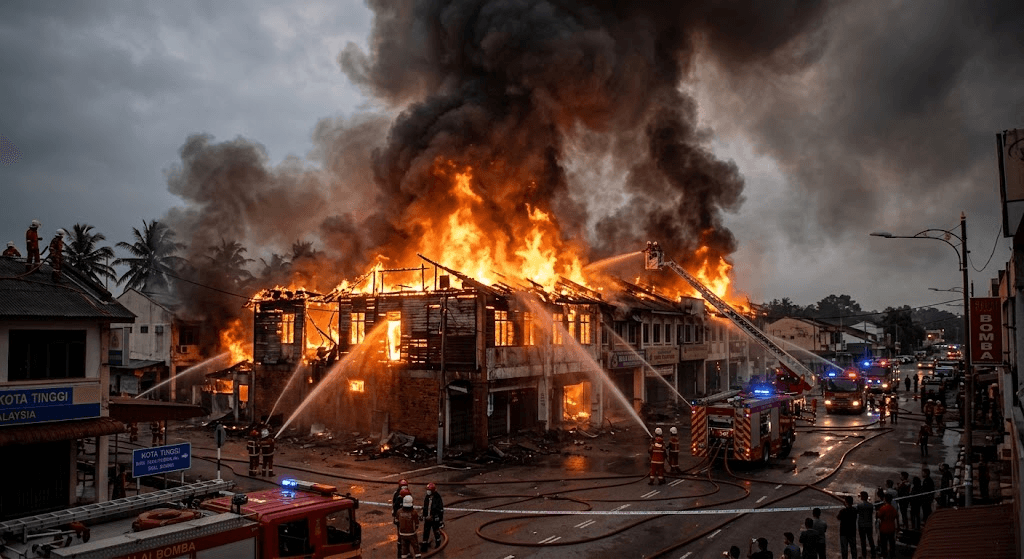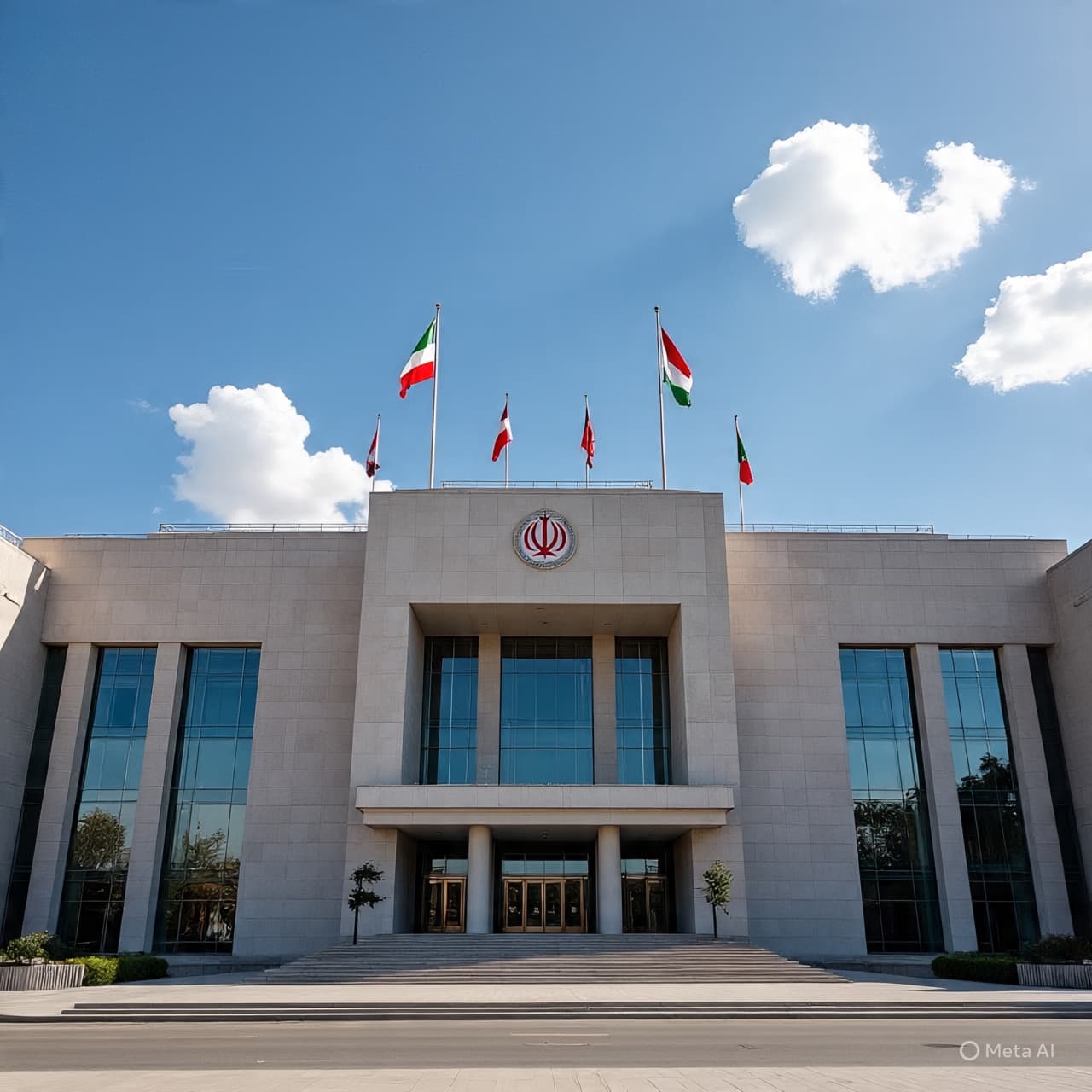
There are moments when diplomacy feels less like a bridge and more like a message in a bottle—set adrift with careful intention, yet uncertain of where it will land. It carries within it the weight of urgency, but also the quiet understanding that not every message is meant to be answered immediately. Some are read with skepticism, others with silence, and a few with a measured pause.
A 15-point proposal from the United States has now reached Tehran, entering a landscape already shaped by tension, memory, and mistrust. The plan, described as a comprehensive framework addressing nuclear limits, regional activity, and broader security concerns, arrives at a time when the rhythm of conflict has not slowed. Instead, it continues in parallel, underscoring the delicate timing of such an initiative.
Iran’s public response has been notably dismissive. Officials have signaled that the proposal does not represent a meaningful shift, characterizing it as either repetitive or lacking in sincerity. This reaction, while firm in tone, reflects a deeper pattern within long-standing diplomatic exchanges—where proposals are not only evaluated by their contents, but also by the history that surrounds them.
Yet even in dismissal, there is a kind of engagement. To respond, even critically, is to acknowledge receipt, to place the proposal within the ongoing dialogue—however strained that dialogue may be. In this sense, the exchange becomes part of a broader narrative, one where communication persists, even when agreement does not.
The proposal itself reportedly revisits familiar pillars: constraints on Iran’s nuclear development, limits on missile capabilities, and expectations regarding regional influence. In return, the possibility of sanctions relief and economic engagement is implied. These elements, while not new, suggest an attempt to reshape earlier frameworks into something that might still be workable in the present moment.
But the challenge lies not only in the terms, but in the context. The Middle East remains in a state of active tension, with military actions continuing across several fronts. In such an environment, diplomacy does not operate in isolation—it must navigate alongside ongoing events that shape perceptions and priorities in real time.
There is also the question of audience. Proposals such as this are rarely directed at a single recipient. They are observed by allies, rivals, and the broader international community, each interpreting the gesture through their own lens. As a result, the significance of the plan extends beyond its immediate reception in Tehran.
And still, there is a quiet persistence in the act of proposing. It suggests that despite visible setbacks and public skepticism, the channel for dialogue has not entirely closed. It remains narrow, perhaps, and difficult to navigate, but it exists.
In the end, the current moment reflects a familiar duality. Words are offered, and words are questioned. Proposals are made, and responses are measured. Whether this 15-point framework becomes a stepping stone or simply another entry in a long record of diplomatic attempts will depend on what follows—not only in statements, but in actions.
For now, the proposal stands where many such efforts begin: acknowledged, challenged, and awaiting its place in a story still unfolding.
AI Image Disclaimer Images in this article are AI-generated illustrations, meant for concept only.
Source Check Credible coverage of this development exists. Key outlets reporting on it include:
Reuters The Guardian Al Jazeera The New York Times BBC News
Published by Banx Network. This article is part of the Banx decentralized media programme, powered by the BXE token on the XRP Ledger.