
Key Highlights
- First Armenia-EU summit concluded with a joint declaration.
- Emphasis on political dialogue, economic cooperation, and regional stability.
- Armenia seeks to diversify international partnerships amid geopolitical tensions.
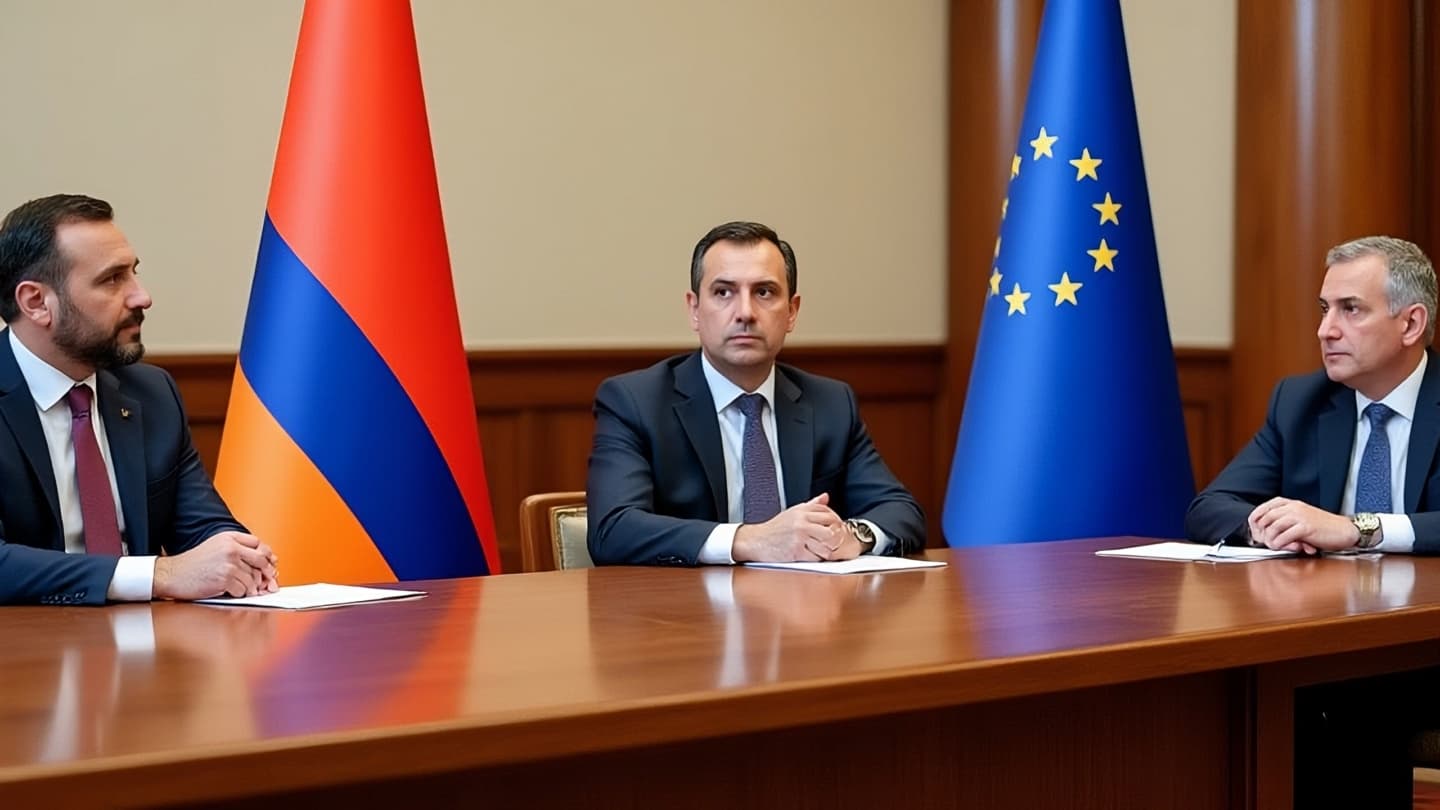
The inaugural Armenia-European Union summit recently concluded, marking a pivotal moment in the diplomatic landscape of the South Caucasus. This historic meeting brought together Armenian leadership and EU representatives, culminating in a joint declaration that outlines key areas of cooperation and shared priorities. The summit reflects a growing engagement between Armenia and the EU, signaling a commitment to enhance political dialogue and economic collaboration.
The joint declaration emphasizes several commitments, including political dialogue, economic cooperation, and institutional reform. It highlights a mutual interest in fostering stability, governance, and regional development. For Armenia, this summit represents a significant step in diversifying its international partnerships, particularly as it navigates a complex geopolitical environment. The country has been striving to balance its relationships with various powers while exploring new avenues for cooperation.
The European Union reaffirmed its support for Armenia's democratic processes and economic development during the summit. The declaration includes references to various assistance programs and frameworks aimed at strengthening governance and infrastructure within Armenia. This support is crucial as Armenia seeks to implement reforms that align with EU standards and expectations.
Regional dynamics play a critical role in shaping the diplomatic priorities of both Armenia and the EU. The ongoing developments in the South Caucasus continue to influence how agreements are framed and pursued. Observers note that while the declarations made during the summit provide a structured framework for cooperation, their true impact will depend on effective implementation. The language of cooperation must translate into actionable policies and initiatives over time.
The summit also reflects a broader trend of engagement between the EU and countries in its eastern neighborhood. Such interactions are often characterized by incremental progress, built through sustained dialogue rather than sudden changes. The outcomes of this summit serve as a foundation for future cooperation, establishing a direction while allowing for flexibility as circumstances evolve.
As the commitments outlined in the declaration transition from paper to practice, attention will shift to how these pledges are realized. The process may unfold gradually, but its implications could resonate across both economic and political spheres in Armenia and beyond. The summit leaves behind a document that encapsulates a set of expectations, which will be shaped and tested in the months and years to come.
In the realm of diplomacy, the significance of such meetings often lies not just in the agreements reached but in the potential for future collaboration and understanding. The Armenia-EU summit stands as a testament to the evolving relationship between the two entities, with the promise of deeper ties and shared goals on the horizon.
Published by Banx Network. This article is part of the Banx decentralized media programme, powered by the BXE token on the XRP Ledger.



