Space exploration often appears graceful from a distance. Rockets rise cleanly through the atmosphere, astronauts float calmly inside orbiting laboratories, and photographs from space suggest a quiet separation from Earth’s ordinary troubles. Yet behind those images lies an environment where human survival depends on constant precision, preparation, and medical readiness.
NASA recently accelerated plans to return crew members from the International Space Station following concerns related to a serious medical issue affecting one astronaut aboard the orbiting laboratory. While officials provided limited details regarding the condition itself, the agency confirmed that medical evaluation and crew safety became immediate priorities in the decision-making process.
The International Space Station operates as both a scientific research center and a long-duration human habitat, orbiting roughly 400 kilometers above Earth. Astronauts living there face unique physical and psychological demands, including microgravity exposure, radiation risks, isolation, and extended confinement within highly controlled environments.
Medical incidents in space remain relatively uncommon, but they are treated with extraordinary seriousness because healthcare options are inherently limited in orbit. Although astronauts receive extensive training and carry advanced medical equipment onboard, certain conditions require faster return to Earth where full hospital resources become available.
NASA and its international partners maintain carefully designed emergency procedures for such situations. Mission planners continuously prepare contingency responses involving evacuation timelines, landing coordination, and medical support teams waiting on Earth. The ability to respond quickly forms a critical part of maintaining crewed operations in space safely.
The incident also highlights the human dimension behind modern space exploration. Astronauts are often viewed publicly as symbols of technical achievement and physical endurance, yet they remain vulnerable to the same medical uncertainties affecting life on Earth. Space missions may involve advanced engineering, but they still depend fundamentally on human health and resilience.
International cooperation remains central to ISS operations. The station itself represents one of the most ambitious collaborative scientific projects ever constructed, involving agencies from the United States, Russia, Europe, Japan, and Canada. Medical response coordination during emergencies reflects that same multinational structure.
Researchers note that medical events in orbit provide valuable information for future exploration goals. Planned missions to the Moon and Mars will involve even greater distances from Earth, where emergency return options become far more limited. Understanding how to manage health crises in space therefore carries long-term importance for the future of deep-space travel.
For now, NASA continues focusing on crew recovery and medical assessment while maintaining operations aboard the station. The event serves as a quiet reminder that beyond the technological triumphs of space exploration lies a simpler truth: even hundreds of kilometers above Earth, human life remains delicate, dependent, and deeply connected to the planet below.
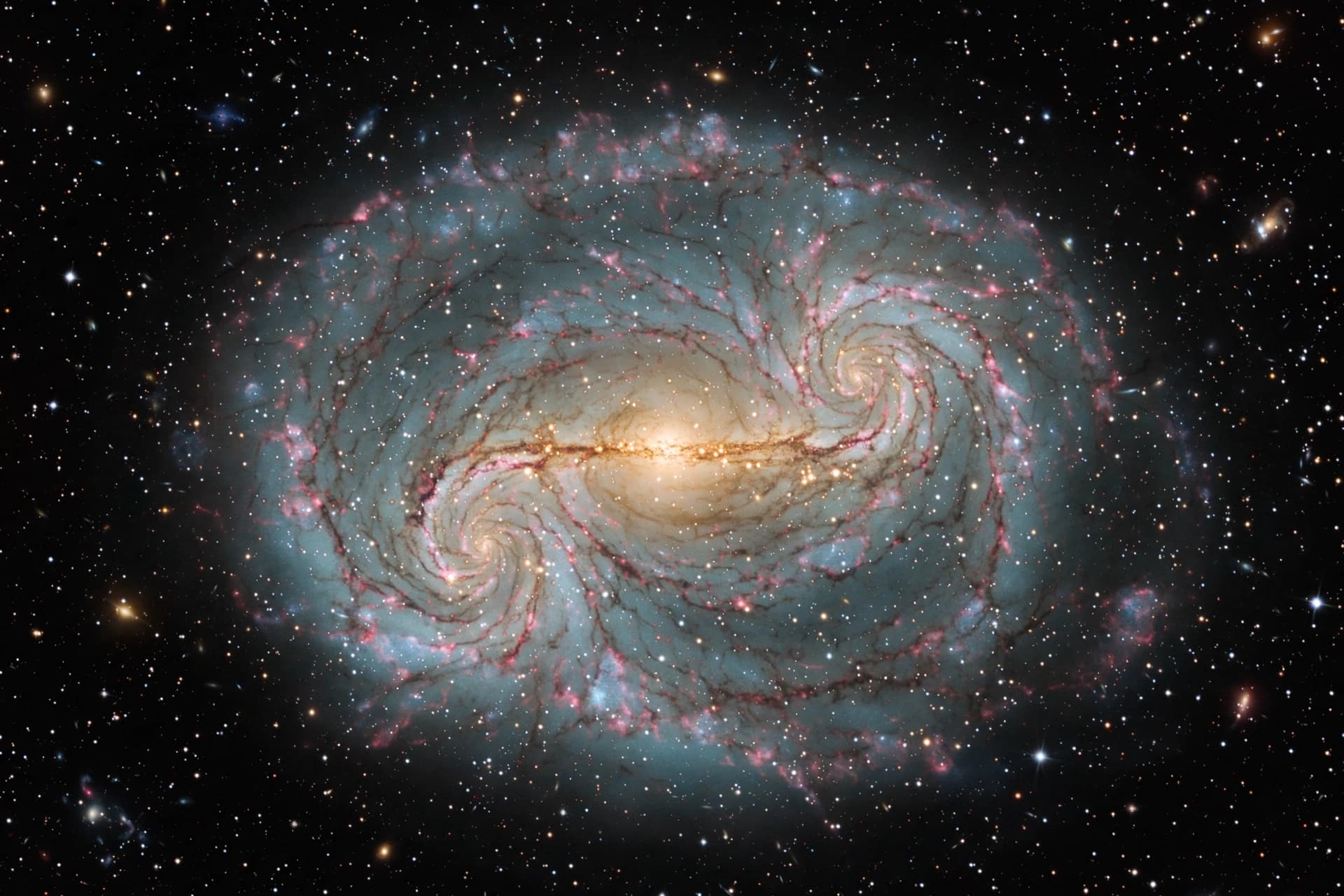
AI Image Disclaimer: Some visual depictions related to this article may be AI-generated illustrations inspired by orbital missions and space medicine.
Sources: Reuters, NASA, Associated Press
Published by Banx Network. This article is part of the Banx decentralized media programme, powered by the BXE token on the XRP Ledger.