There is a moment in every election cycle when the map stops being a description and becomes a prediction, when the lines on a screen begin to lean in a direction that once seemed unlikely. This week, that moment arrived for Senate Democrats, and the direction was north.
Decision Desk HQ forecast on Monday that Senate races in Texas, Alaska, and Maine will flip toward Democrats on Tuesday, a trio of outcomes that would put the party in prime position to reclaim the upper chamber . DDHQ gave Democrat James Talarico a 61 percent chance of defeating Texas Attorney General Ken Paxton, and Mary Peltola the same odds in Alaska against Republican incumbent Dan S. Sullivan. In Maine, Democrat Troy Jackson was forecast with a 63 percent chance of unseating Senator Susan Collins . The overall forecast gave Democrats a 64 percent probability of winning the Senate, with a projected 52-48 edge .
A year ago, such a forecast would have been difficult to imagine. Democrats were defending seats in states that had grown comfortably red, and the party's path to a majority seemed to require a map that did not exist. But the political terrain has shifted. President Trump's approval ratings have declined, and voters continue to cite the cost of living as a pressing concern. The war in Iran and the tariff dispute with Canada have driven up prices for goods like gas and fertilizer, with particular impact in agricultural states .
The polling has encouraged Democratic optimism without offering certainty. Surveys from The New York Times and Siena University released over the weekend showed the party edging out Republicans in seven competitive Senate races, though only Talarico and Michigan Democrat Abdul El-Sayed were polling outside the full margin of error . Many of these contests remain statistically tied, and the forecast models themselves carry the humility of probabilities rather than promises.
Democrats also absorbed an unwelcome distraction on Sunday, when Representative Haley Stevens of Michigan reversed her endorsement of El-Sayed and backed the Republican nominee, Mike Rogers. Senate Minority Leader Chuck Schumer called it a "despicable betrayal" . Whether the last-minute shift moves votes is an open question, but it arrived at the moment when campaigns prefer their news to be quiet.
In Alaska, the Senate race has been shadowed by the ballot-stacking controversy involving the two Dan Sullivans, an episode that has drawn FBI attention and presidential comment . In Texas, the contest between Talarico and Paxton carries its own weight, a referendum on a state that has not elected a Democrat statewide in decades. In Maine, Collins—long one of the Senate's most durable figures—faces a challenge that the forecasters now call a toss-up leaning away from her.
The votes will be counted on Tuesday, and the map will become what it becomes. Forecasts are not verdicts. But they are signals, and this week the signal was clear enough to notice.
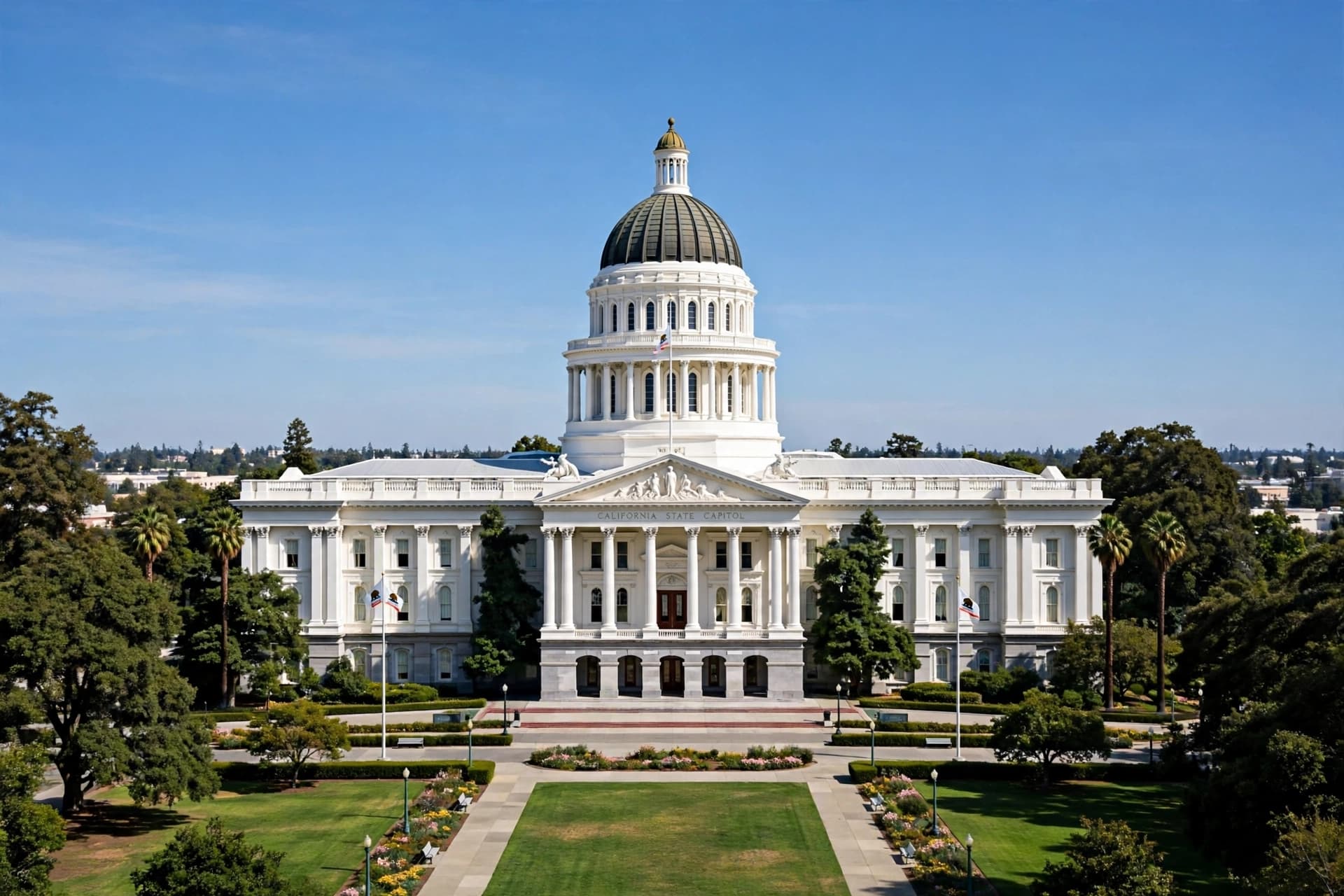
Image Disclaimer: The visuals in this article were produced using artificial intelligence and are illustrative rather than documentary.
Sources: The Hill
Published by Banx Network. This article is part of the Banx decentralized media programme, powered by the BXE token on the XRP Ledger.