In the rugged mountains of Nepal, where valleys are carved by ancient rivers, the silence that follows a disaster can be heavier than the roar of the waters themselves. One month after devastating flash floods swept through the Bhote Koshi region, the initial shock has given way to a prolonged period of uncertainty and grief. For thousands of families, the absence of loved ones remains a wound that time has yet to heal, as the search for answers continues amidst the rubble.
The floods, triggered by a glacial lake outburst and heavy rainfall in late August, claimed over 900 lives and left more than 2,000 people missing. Rescue efforts, though heroic, have been hampered by difficult terrain and damaged infrastructure. Many settlements remain cut off, making it challenging for aid workers to reach those in need and for families to learn the fate of their relatives.
The human toll is compounded by the loss of homes, livestock, and livelihoods. Agriculture, the backbone of many rural communities, was severely impacted, with fields buried under sediment and irrigation systems destroyed. For farmers, the upcoming planting season brings anxiety rather than hope, as they face the daunting task of rebuilding without adequate resources or support.
Psychological trauma is widespread, with survivors grappling with the suddenness of the loss. Community leaders and mental health professionals are working to provide counseling and support groups, but the scale of the need far exceeds available services. The shared experience of loss has created a bond among survivors, yet it also highlights the isolation felt by those who have lost entire families.
International aid has poured in, with organizations providing food, shelter, and medical supplies. However, the transition from emergency relief to long-term recovery is complex. Rebuilding homes and infrastructure requires significant investment and coordination, which is often slow in remote areas. The gap between immediate needs and sustainable solutions remains a critical challenge.
The incident has also sparked discussions about climate change and disaster preparedness in the Himalayas. Scientists point to the increasing frequency of extreme weather events and glacial instability as warning signs. Local communities are calling for better early warning systems and land-use planning to mitigate future risks, emphasizing the need for proactive rather than reactive measures.
Despite the hardships, there are stories of resilience. Neighbors help each other clear debris, and volunteers distribute supplies with unwavering dedication. These acts of kindness provide a glimmer of hope in a dark time, reminding everyone that even in the face of immense loss, the human spirit endures.
As Nepal moves forward from this tragedy, the focus remains on finding the missing and supporting the bereaved. The road to recovery is long and arduous, but with sustained attention and compassion, the affected communities can begin to rebuild their lives and honor the memory of those lost.
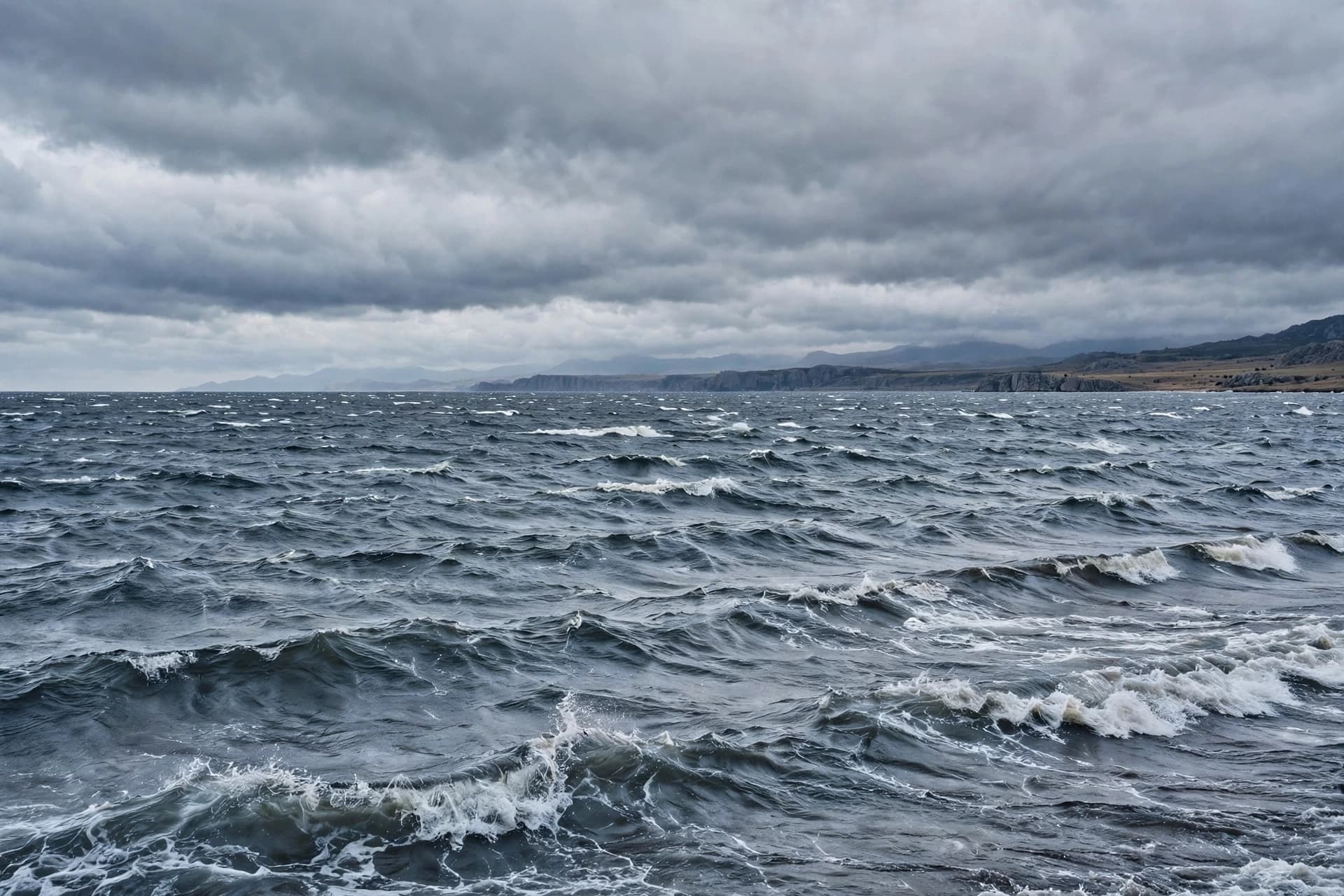
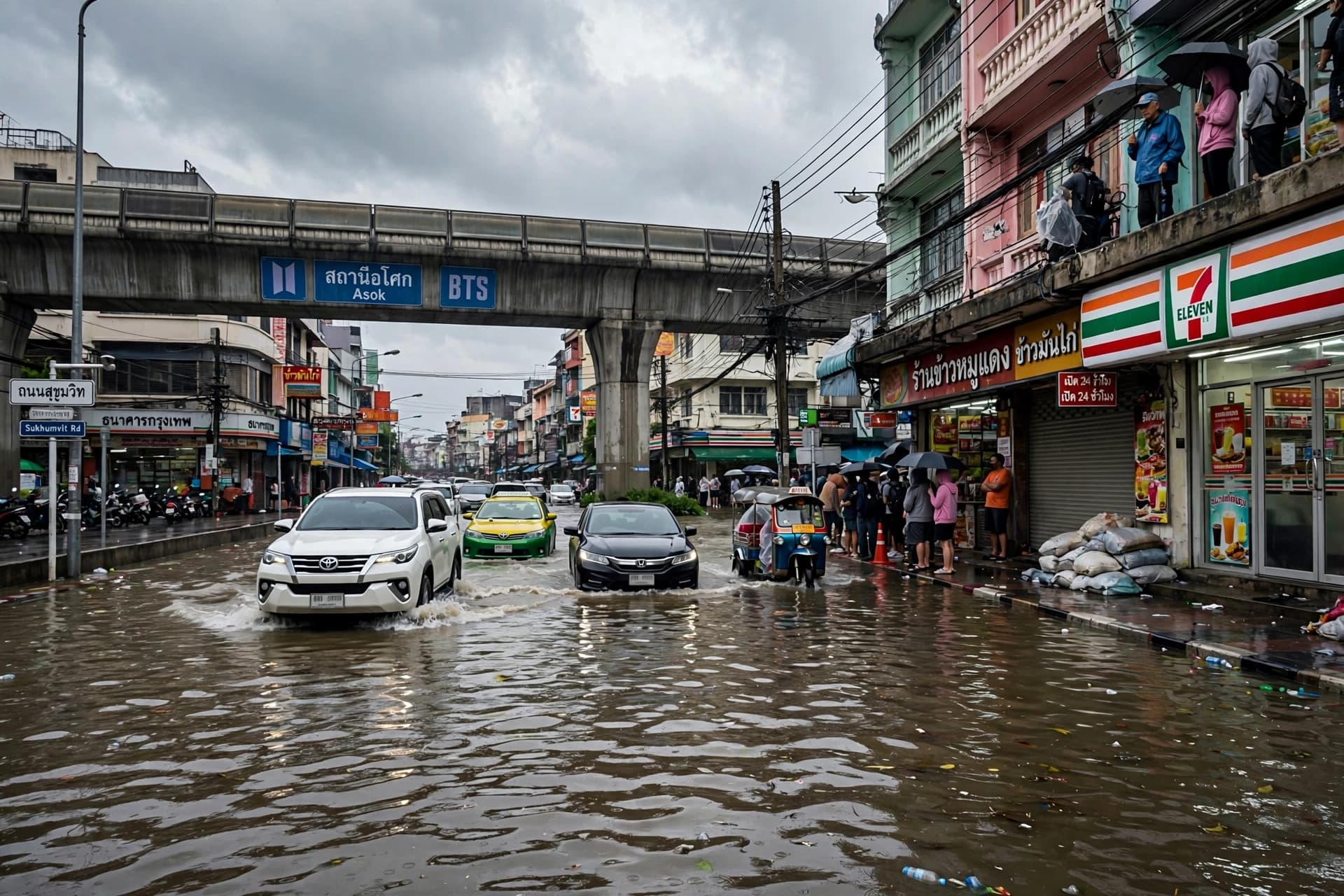
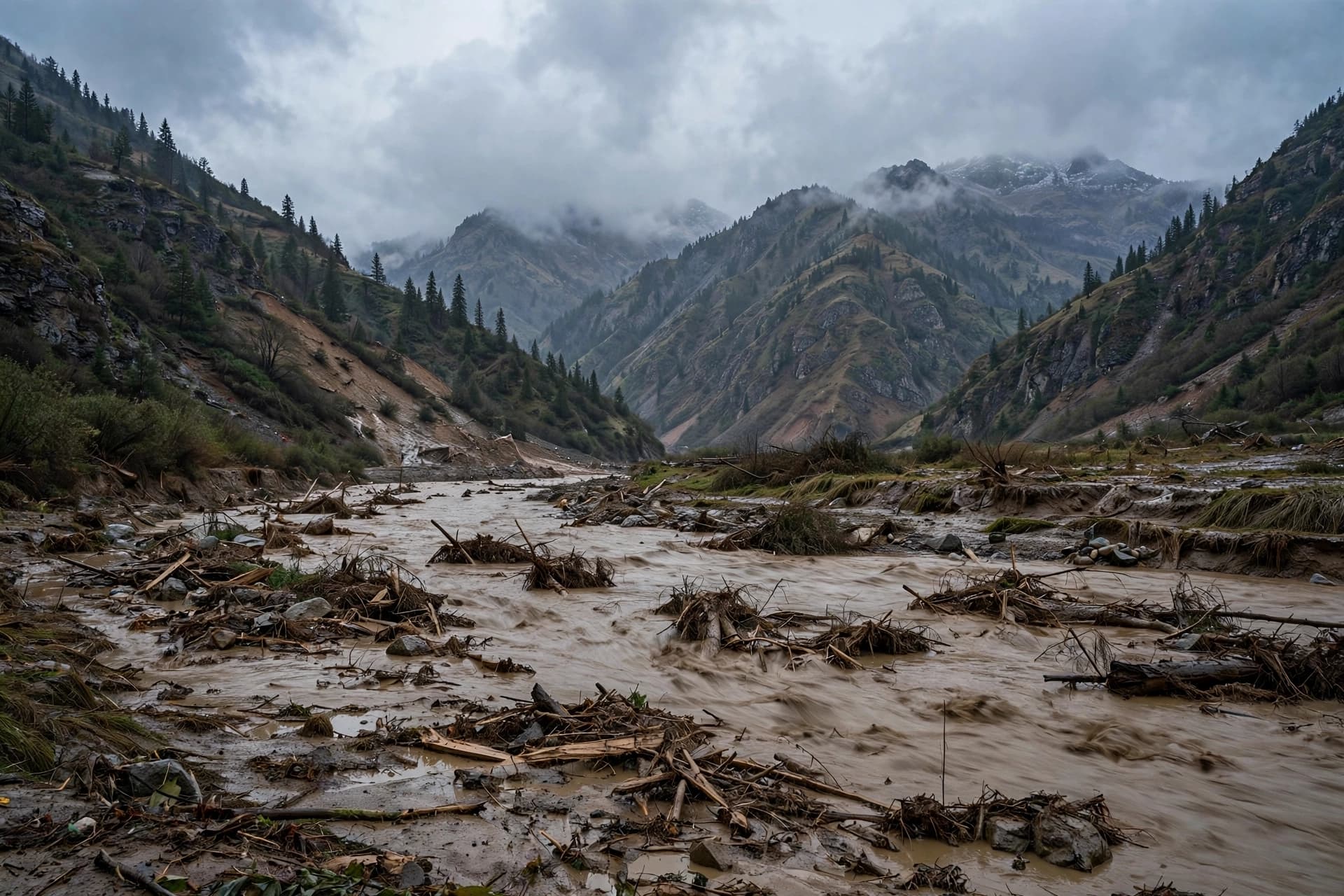
AI Image Disclaimer: Images in this article are AI-generated symbolic representations of the aftermath of flooding and do not depict actual scenes from the Nepal disaster.
Sources: Reuters CARE International NBC News Wikipedia
Published by Banx Network. This article is part of the Banx decentralized media programme, powered by the BXE token on the XRP Ledger.