
Key Highlights
- Study Duration:Nearly 27,700 adults tracked for about 25 years.
- Dementia Cases:3,208 participants developed dementia during the study.
- Cheese Consumption:50 grams of high-fat cheese daily linked to a 13% lower dementia risk.
A recent long-term study from Sweden has shed new light on the relationship between diet and dementia, particularly focusing on high-fat cheese and cream. Researchers followed nearly 27,700 adults for approximately 25 years, revealing that those who consumed higher amounts of high-fat dairy products had a significantly lower risk of developing dementia. This study, published in the journal Neurology, challenges conventional wisdom regarding saturated fats and their impact on health.
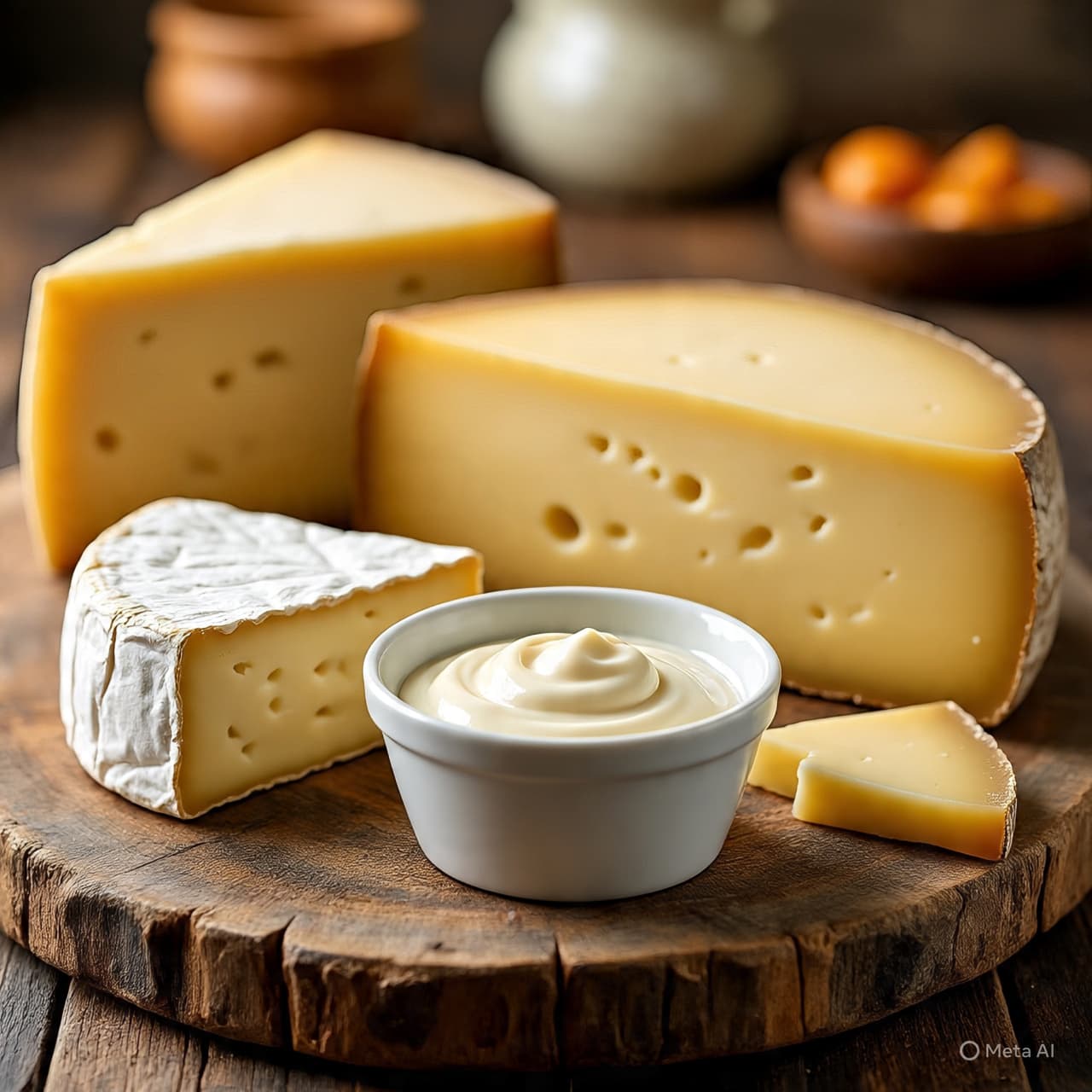
Participants in the study were, on average, 58 years old at the outset. Over the course of the research, 3,208 individuals were diagnosed with dementia. Notably, those who consumed around 50 grams or more of high-fat cheese daily—equivalent to about two slices of cheddar or Brie—exhibited a 13% lower risk of developing dementia compared to those who consumed less. The findings were even more pronounced for vascular dementia, with a 29% lower risk observed among high-cheese consumers. Additionally, daily intake of 20 grams or more of high-fat cream was associated with a 16% lower risk of dementia.
While these findings are compelling, experts caution that the study's observational nature means it cannot definitively establish causation. The researchers emphasize that other lifestyle factors, such as regular exercise and overall cardiovascular health, play a more significant role in mitigating dementia risk than any single dietary component. Furthermore, dietary habits were only assessed at the beginning of the study, which raises questions about the consistency of participants' eating patterns over the 25 years.
Genetics also plays a crucial role in this narrative. The study found that the protective effect of high cheese consumption was primarily observed in individuals without the APOE ε4 gene variant, a known genetic risk factor for Alzheimer’s disease. This highlights the complex interplay between genetics and diet, suggesting that individual biology can influence how dietary choices impact health outcomes.
The results of this study may seem to contradict the prevailing view that saturated fats are detrimental to health. However, nutrition experts urge caution against interpreting these findings as an endorsement to consume high-fat dairy products indiscriminately. Cheese and cream are calorie-dense and high in saturated fat, and excessive consumption could lead to other health issues, such as elevated LDL cholesterol, which is a risk factor for stroke and cardiovascular disease—conditions that can also affect brain health.
In conclusion, this research prompts a reevaluation of the role of cheese in our diets. While it may contribute positively to brain health, it is essential to consider it as part of a broader dietary strategy that includes a variety of foods and healthy lifestyle choices. Future research will be vital in exploring these associations further and determining how they can inform dietary recommendations for long-term cognitive health.
Published by Banx Network. This article is part of the Banx decentralized media programme, powered by the BXE token on the XRP Ledger.



