Salt is one of the quiet pleasures of eating, and one of the quiet problems of public health. It makes food taste like more of itself, but too much of it raises blood pressure and strains the heart. For years, the search has been on for a way to keep the taste while reducing the sodium—a culinary illusion that would allow people to have their salt and not suffer for it.
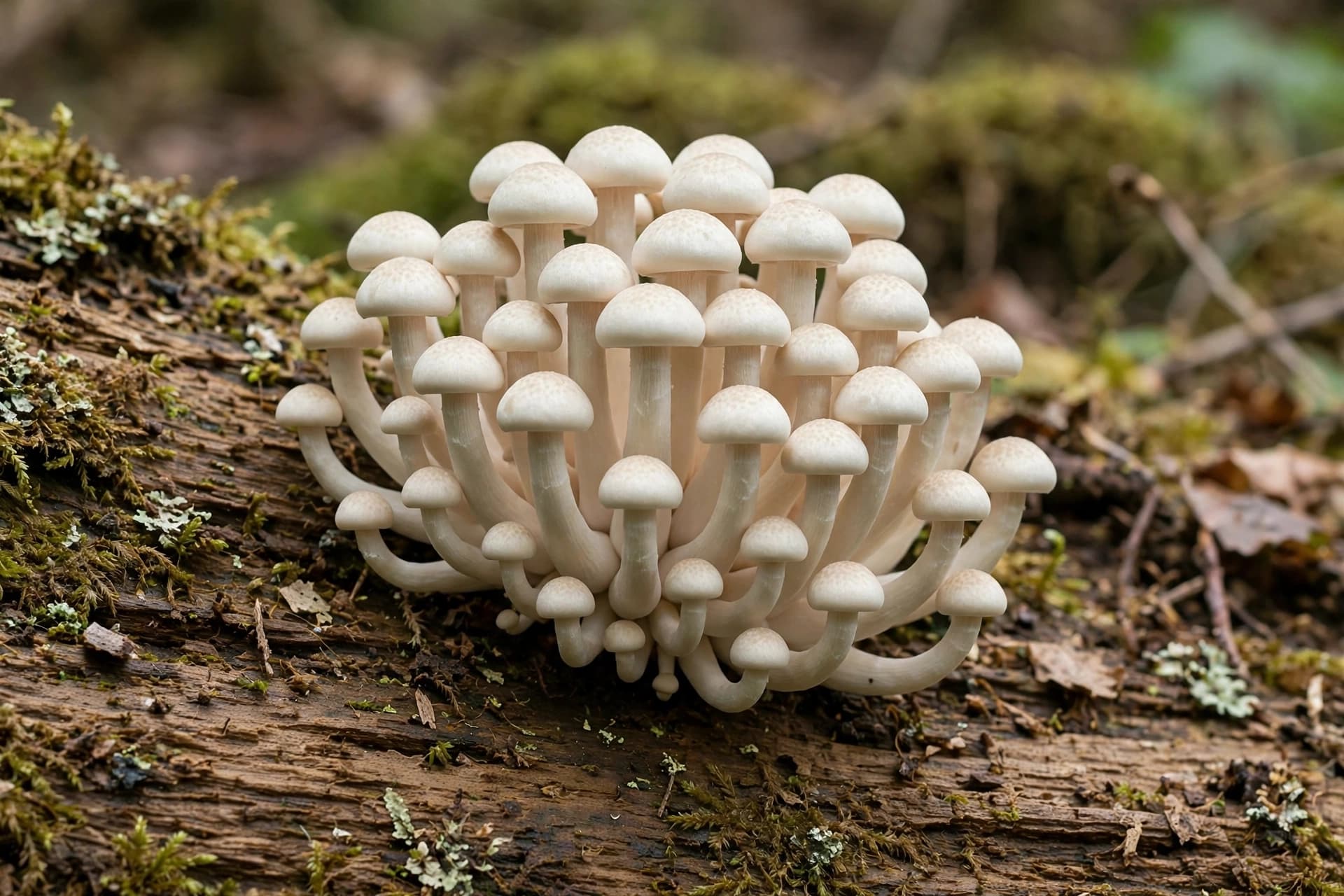
Researchers in China may have found a small, promising piece of that illusion in an unlikely place: the beech mushroom, Hypsizygus marmoreus, a staple of East Asian cooking . In a study published in npj Science of Food, a team from Gannan Medical University and Shanxi Medical University identified three peptides—short chains of amino acids—that, when added to a salt solution, made it taste significantly saltier without adding any sodium .
The strongest of these peptides, with the ungainly name ASHGEGF, increased perceived saltiness by about 70.59 percent in human taste tests . Two others, LDDGF and GDDWT, produced increases of roughly 49 and 47 percent, respectively . The effect also lasted longer: the saltiness of a plain solution faded after about 75 seconds, while the solution with ASHGEGF remained salty for 105 seconds .
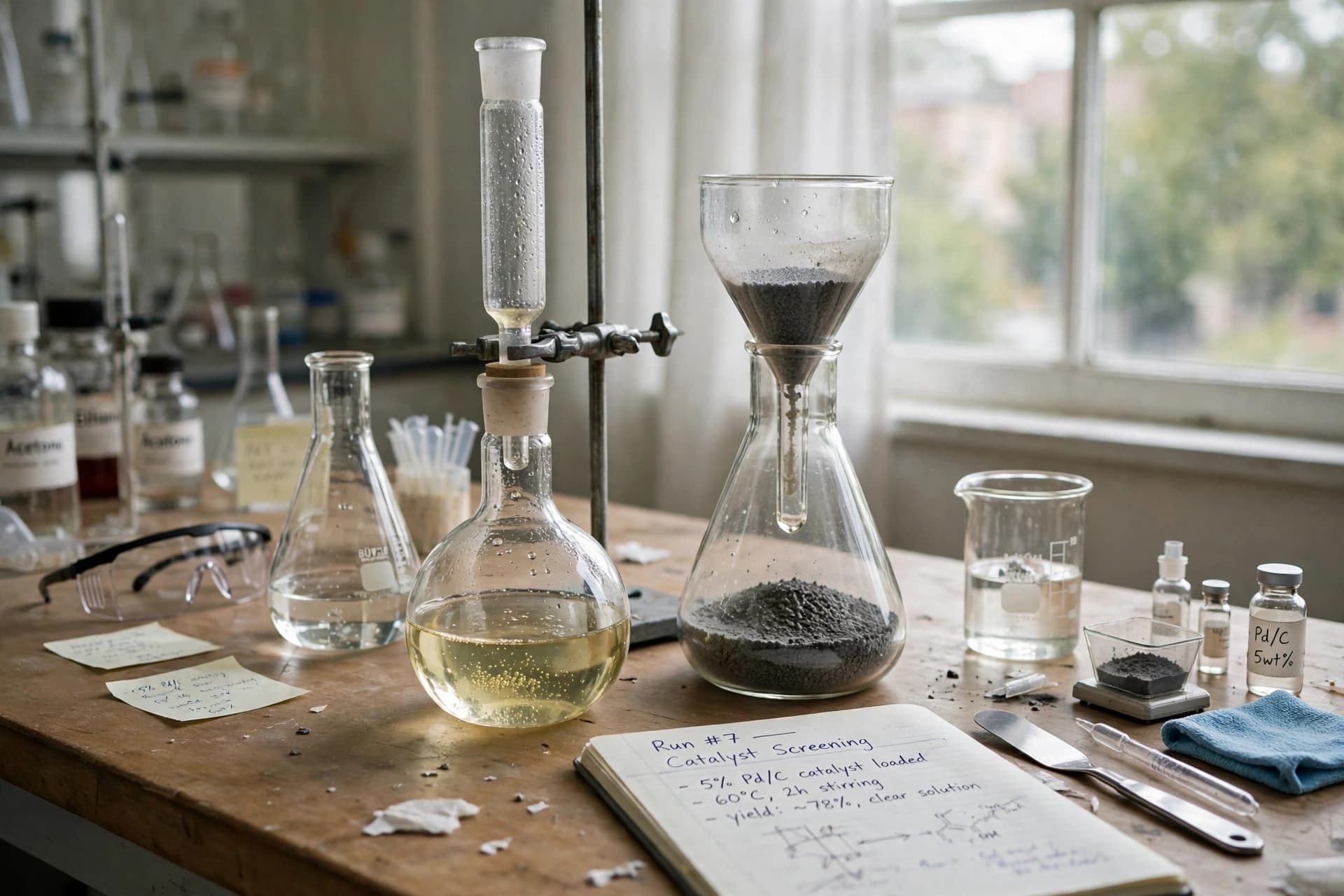
The path to this discovery was methodical. The researchers used enzymes to break down mushroom proteins into smaller fragments, generating over 6,000 peptide sequences. Computational tools and machine learning narrowed the field to five candidates, which were synthesized and tested with fourteen trained assessors using a sip-and-spit method . An electronic tongue provided complementary measurements, confirming that the peptide solutions registered as saltier than plain salt water .
What makes the finding particularly intriguing is the proposed mechanism. Computer simulations suggest the peptides may interact with TMC4, a membrane protein associated with salt taste perception, forming stable bonds that could amplify the signal the tongue sends to the brain . This is a hypothesis rather than a confirmed mechanism, and the researchers are careful to note that further cell and receptor studies are needed.
There is also an important caveat. A 70 percent increase in perceived saltiness does not mean 70 percent of the salt can be removed from a recipe. The experiments used simple salt solutions, not real foods, and the researchers have not yet established how much sodium could actually be reduced while preserving taste . The next step will be testing the peptides in low-sodium food products, assessing their stability during cooking and storage, and evaluating their safety for everyday use.
Still, the research offers a starting point for something useful: a way to make a little salt taste like more. In a world where so much of the salt we consume comes from processed foods we did not prepare ourselves, a tool that works at the level of perception—rather than substitution—could be a meaningful addition to the effort to eat more healthfully without eating less pleasurably.
Visuals in this article were created using AI and are for illustrative purposes only.
Sources: ScienceAlert, New Atlas, npj Science of Food, Presse-citron, Techno-Science.net
Published by Banx Network. This article is part of the Banx decentralized media programme, powered by the BXE token on the XRP Ledger.