In orbit, continuity depends on precision. Every mission that reaches the is less a singular event than part of an ongoing chain—one that sustains life, research, and the fragile balance of operations far above Earth. This week, that chain was extended once more.
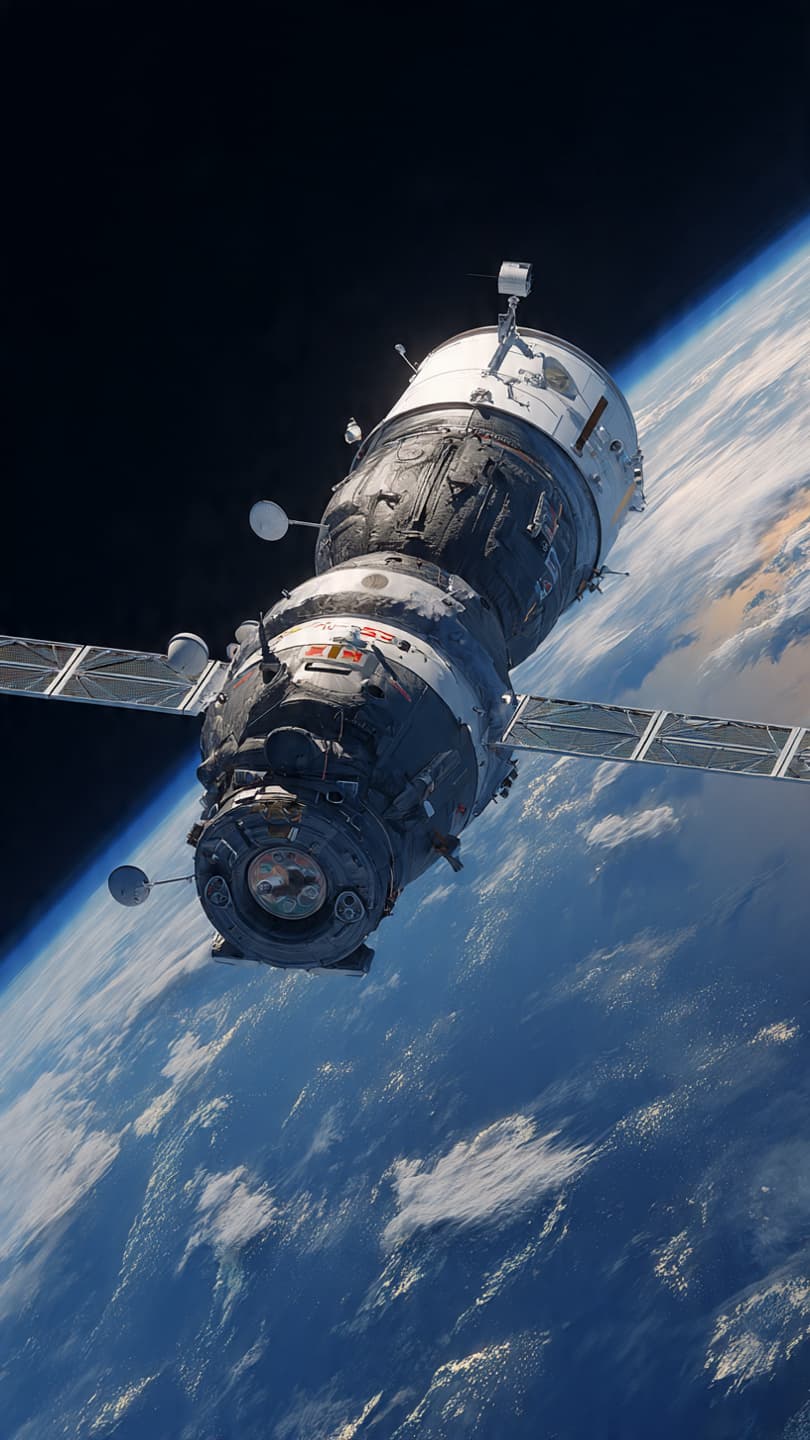
has successfully launched a cargo spacecraft carrying roughly three tons of supplies to the station, reinforcing the logistical lifeline that keeps the ISS functioning. The payload includes food, water, fuel, and scientific equipment—materials that, in orbit, are not conveniences but necessities.
A Mission Defined by Precision Resupply missions are among the most routine—and most essential—operations in spaceflight. Yet routine does not mean simple. The spacecraft must execute a carefully timed launch, align its trajectory with the station traveling at nearly 28,000 kilometers per hour, and complete an automated docking sequence with minimal margin for error.
Each step reflects decades of refinement, where engineering reliability replaces spectacle. The success of such missions is measured not in drama, but in their seamless integration into the station’s daily rhythm.
Beyond Logistics The significance of the delivery extends beyond the cargo itself. The ISS remains one of the few enduring examples of international cooperation in space, involving agencies from multiple countries, including . Even amid broader geopolitical tensions, coordination around the station continues—guided by shared operational necessity.
In this context, each resupply mission carries a dual meaning. It sustains the physical needs of the crew while also reinforcing a framework of collaboration that persists despite conditions on Earth.
Sustaining a Presence in Orbit The supplies delivered will support ongoing experiments in microgravity—research that ranges from material science to human physiology. These studies rely on continuity; interruptions can compromise results that take months or years to develop.
Fuel, too, plays a critical role. Beyond propulsion for the spacecraft itself, it contributes to maintaining the station’s orbit, counteracting the gradual drag exerted by Earth’s atmosphere.
From the ground, the mission may appear as a distant launch, quickly concluded. In orbit, its effects unfold over time—sustaining routines, enabling discovery, and preserving a presence that depends on constant renewal. In that quiet continuity, the work above Earth goes on. AI Image Disclaimer Illustrations are AI-generated and intended for conceptual representation only.
Source Check — Credible Media Presence Reuters · BBC · NASA · Roscosmos · Space.com
Published by Banx Network. This article is part of the Banx decentralized media programme, powered by the BXE token on the XRP Ledger.