The mountains have always held a dual nature, offering both sublime beauty and profound danger. For Kalie McCrystal, a skilled skyrunner from British Columbia, the peaks were a place of passion and purpose. Her recent disappearance on the Matterhorn, one of the most iconic and challenging summits in the Alps, has ended in a tragic realization. Her family, after weeks of agonizing uncertainty, now believes she fell during her descent, a sobering reminder of the risks inherent in pursuing such extreme dreams.
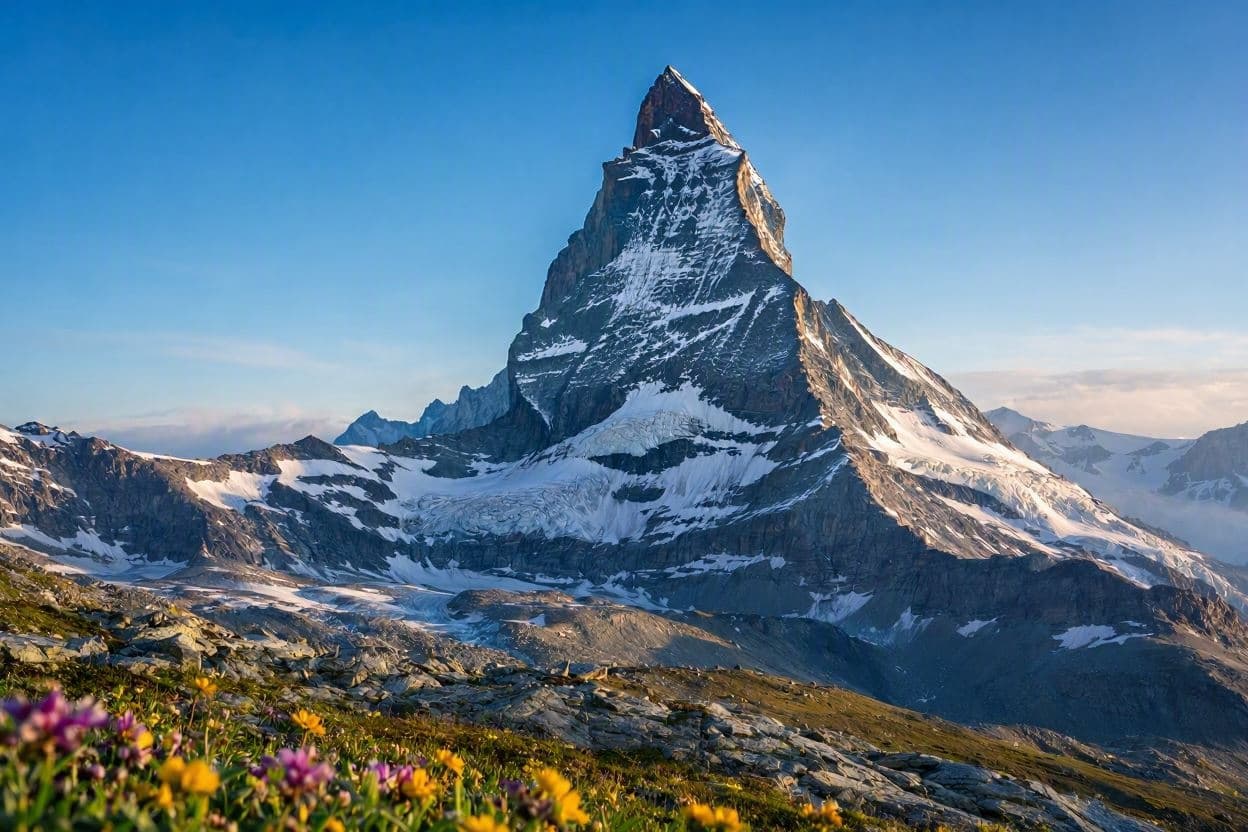
McCrystal was attempting a fast-known time route on the Italian side of the mountain when she vanished. The Matterhorn, with its jagged pyramidal peak, demands respect and precision. Even for experienced athletes, the terrain is unforgiving, with loose rock and steep drops lurking beneath the surface. The search efforts, involving local rescue teams and volunteers, were extensive but ultimately unable to locate her. The decision to suspend the active search was made with heavy hearts, acknowledging the harsh realities of high-altitude recovery.
The family’s statement, released with grace and sorrow, reflects their acceptance of the likely outcome. They described Kalie as someone who felt most alive in the mountains, a spirit that now remains among the peaks she loved. This perspective, while painful, honors her passion rather than defining her by her tragedy. It is a testament to the deep connection many athletes feel with nature, a bond that persists even in the face of loss. Their words offer a glimpse into the mindset of those who choose such demanding paths.
Kalie’s story highlights the growing popularity of skyrunning, a sport that combines trail running with mountaineering skills. It attracts individuals who seek to push their physical and mental limits, often in remote and hazardous environments. While safety measures are paramount, the inherent unpredictability of the mountains means that accidents can still occur. Her incident serves as a poignant case study for the community, prompting reflections on risk management and the balance between ambition and caution.
The response from the running and climbing communities has been one of solidarity and mourning. Tributes have poured in from around the world, celebrating Kalie’s achievements and her vibrant personality. She was known not only for her speed but for her kindness and encouragement of others. This outpouring of support underscores the tight-knit nature of these sports, where competitors often become friends united by a shared love for the outdoors. Her legacy will likely inspire others to pursue their passions with both courage and care.
For the local authorities in Italy, the incident reinforces the challenges of managing rescue operations in such difficult terrain. The Matterhorn sees thousands of climbers each year, and while most return safely, the margin for error is slim. The collaboration between international rescue teams and local guides is crucial, yet the sheer scale of the mountain can overwhelm even the best efforts. This tragedy adds to the ongoing dialogue about safety protocols and the responsibilities of adventurers in wild spaces.
As the seasons change, the Matterhorn will continue to stand as a monument to natural grandeur. For Kalie’s family and friends, it will forever be associated with her memory. They have chosen to remember her not for how she died, but for how she lived—with vigor, joy, and an unyielding spirit. This approach to grief is a powerful example of finding meaning in loss, focusing on the life lived rather than the end encountered. It is a gentle lesson in resilience and love.
The loss of Kalie McCrystal is a somber note in the world of outdoor sports. It reminds us of the fragility of life and the power of nature. Yet, her story also celebrates the human desire to explore and excel. As we reflect on her journey, we honor her memory by respecting the mountains and supporting those who dare to climb them. Her spirit remains a part of the landscape, eternal and free.
AI Image Disclaimer: Images included in this article are AI-generated artistic interpretations created for illustrative purposes and do not represent actual photos of the event or location.
Sources: CBC News Global News The Globe and Mail Runner’s World
Published by Banx Network. This article is part of the Banx decentralized media programme, powered by the BXE token on the XRP Ledger.