In the rhythmic hum of a city’s transit system, where thousands of lives intersect daily in fleeting moments, a single act of violence can shatter the illusion of safety. In Washington, D.C., a tragic incident on the Red Line has left a community reeling and a young life irrevocably altered. A teenage girl now faces a murder charge after allegedly pushing a man from a moving train, an event that underscores the fragility of public order and the profound consequences of impulsive actions.
The incident occurred as the train was departing from a station, a moment when passengers are often focused on their destinations rather than their surroundings. Witnesses reported a sudden altercation that escalated with terrifying speed. The victim, a commuter going about his day, was pushed onto the tracks just as the heavy doors closed and the train began to move. The resulting injury was fatal, turning a routine commute into a scene of horror for those on board.
Police responded swiftly, identifying and apprehending the suspect shortly after the train arrived at the next station. The accused, a minor, was taken into custody and later charged with first-degree murder. The severity of the charge reflects the gravity of the outcome, regardless of the age of the perpetrator. For the legal system, this case presents complex questions about juvenile justice, intent, and the appropriate response to violent crimes committed by minors.
For the victim’s family, the loss is immeasurable. A father, a brother, or a friend was taken in an instant, leaving behind a void that no legal proceeding can fill. Their grief is compounded by the senselessness of the act, a random tragedy that could have happened to anyone. Community members have gathered to mourn, offering support and seeking answers in the face of such inexplicable violence.
The incident has also sparked a broader conversation about safety on public transportation. While rare, acts of violence on transit systems raise fears among regular commuters. Authorities have reassured the public that security measures are being reviewed and increased, but the psychological impact of such events lingers. It serves as a reminder that shared spaces require shared responsibility and vigilance.
As the case moves through the judicial process, attention will focus on the circumstances leading up to the push. Was it a premeditated act, a moment of rage, or something else entirely? Understanding the motive is crucial not only for justice but for prevention. Mental health resources, conflict resolution training, and community engagement may all play roles in addressing the root causes of such behavior.
For now, the city holds its breath, waiting for the courts to deliver justice while mourning a life lost too soon. The story is a somber reflection on the weight of our actions and the ripple effects they create. In the quiet aftermath, the hope is that clarity emerges from chaos, and that steps are taken to ensure such tragedies do not repeat themselves.
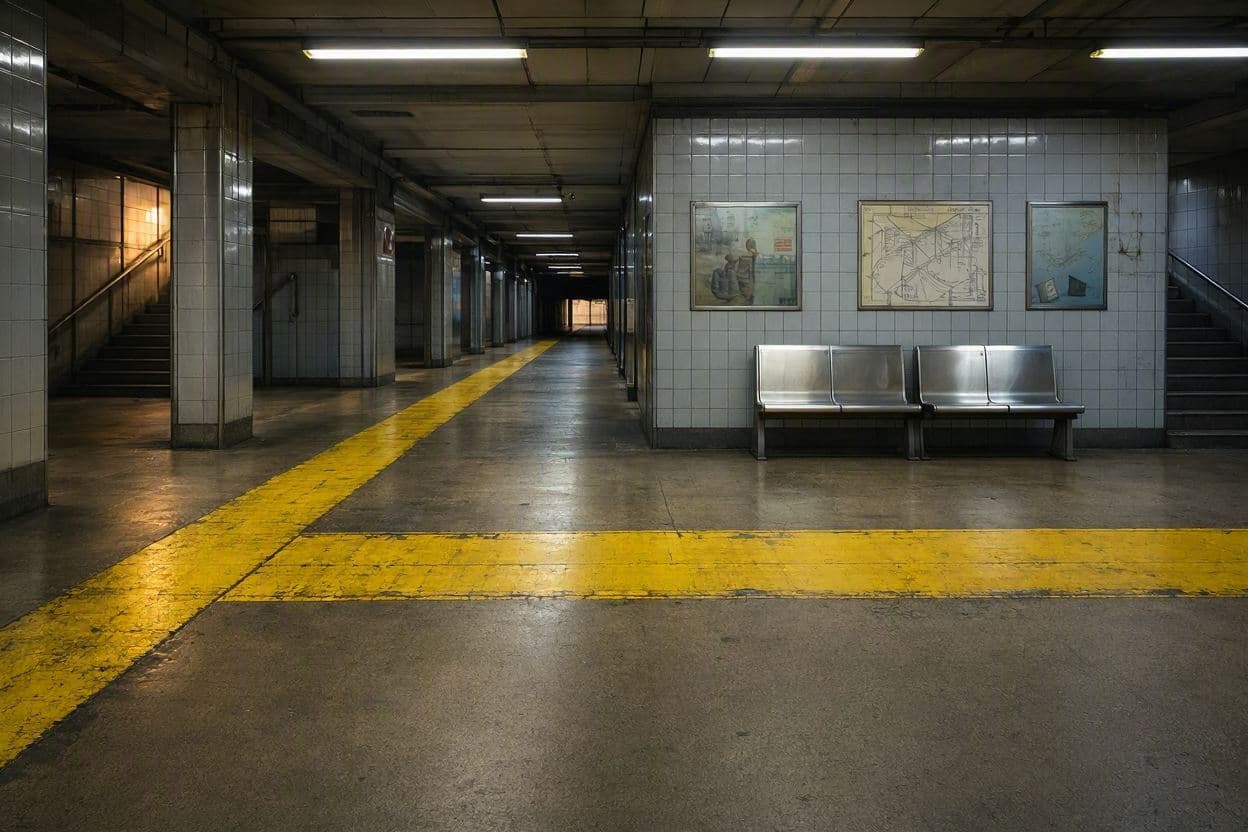
AI Image Disclaimer: The visual representations in this article are AI-generated illustrations designed to convey the somber mood of the incident without depicting real individuals.
Sources: NBC Washington, The Washington Post, WUSA9
Published by Banx Network. This article is part of the Banx decentralized media programme, powered by the BXE token on the XRP Ledger.