In the bustling suburbs of Sacramento, California, a tragedy has exposed the dark underbelly of persistent harassment and the limitations of legal protections. Shalini Thakur, a 38-year-old mother, was fatally shot in broad daylight outside a Panera Bread, ending a months-long ordeal of stalking and fear. Her death has sparked outrage and sorrow, highlighting the urgent need for stronger measures to protect victims of domestic violence and stalking.
Thakur had sought help from the authorities, obtaining a restraining order against her alleged stalker, Rohit Rohit. Court documents reveal that she had reported numerous incidents of harassment, describing a pattern of behavior that escalated over time. Despite these warnings, the system failed to prevent the final, fatal act. Her story is a heartbreaking reminder that legal papers alone cannot always shield individuals from determined predators.
The shooting occurred in a public space, shocking witnesses and the community. Thakur was dropped off at work when the suspect approached and opened fire. The brazen nature of the attack underscores the danger faced by victims who are pursued by those obsessed with controlling their lives. For Thakur’s family, the loss is compounded by the knowledge that she had tried everything within her power to stay safe.
Law enforcement has arrested the suspect, who is now facing murder charges. Investigators are examining the timeline of events, including the effectiveness of the restraining order and any missed opportunities for intervention. The case has drawn attention to the challenges police and courts face in enforcing protective orders, especially when resources are limited and threats are constant.
Advocates for victims’ rights are using this tragedy to call for systemic changes. They argue that stalking must be treated with greater seriousness, with faster response times and stricter penalties for violations. The emotional toll on victims is immense, affecting their ability to work, sleep, and live freely. Thakur’s death illustrates the ultimate cost of inaction, urging society to take every threat seriously.
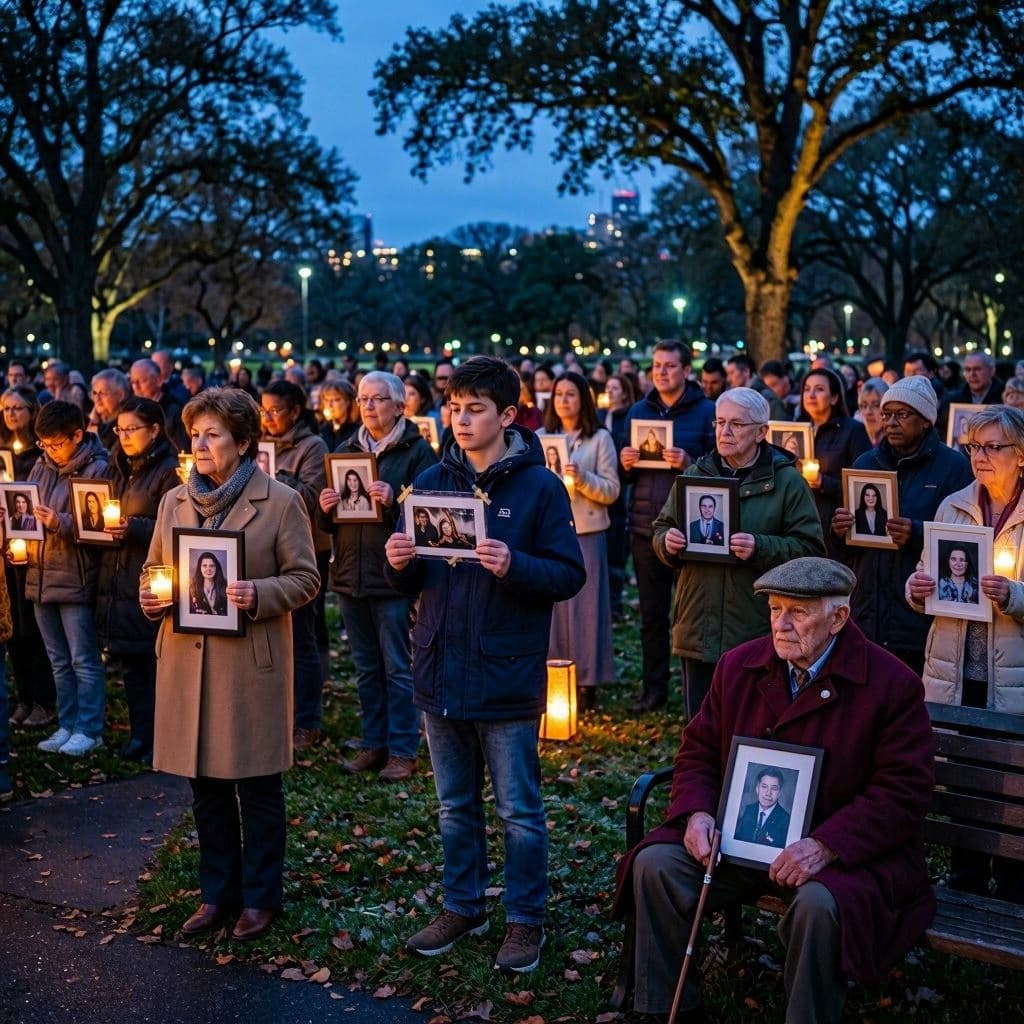
Community members have gathered to mourn Thakur, sharing stories of her kindness and vitality. Vigils and memorials serve as spaces for collective grief and a demand for justice. Her mother has spoken out, expressing pain but also a determination to ensure that her daughter’s death leads to meaningful change. The family’s courage in the face of devastation is a testament to their love and resilience.
As the legal process moves forward, the focus remains on accountability and prevention. Thakur’s story is not unique; many women face similar threats daily. Her death serves as a catalyst for conversation about how to better support victims and hold perpetrators accountable. In honoring her memory, the community seeks a future where such tragedies are prevented, and safety is a reality for all.
AI Image Disclaimer: The visual content in this article is AI-generated to depict the themes of mourning and community support respectfully.
Sources: SFGate, KCRA, CBS Sacramento
Published by Banx Network. This article is part of the Banx decentralized media programme, powered by the BXE token on the XRP Ledger.