
Key Highlights
- France is reimagining its nuclear energy legacy to support AI.
- The country aims to balance energy demands with environmental responsibility.
- Industry observers note a shift in how nations view competitiveness in tech.
France's technological ambitions are deeply intertwined with its historical reliance on nuclear power. As artificial intelligence (AI) continues to expand, the demand for energy becomes increasingly pressing. This need is not merely theoretical; it requires substantial and consistent energy resources. France, with its established nuclear capabilities, is now looking to harness this legacy to meet the energy demands of a digital future.
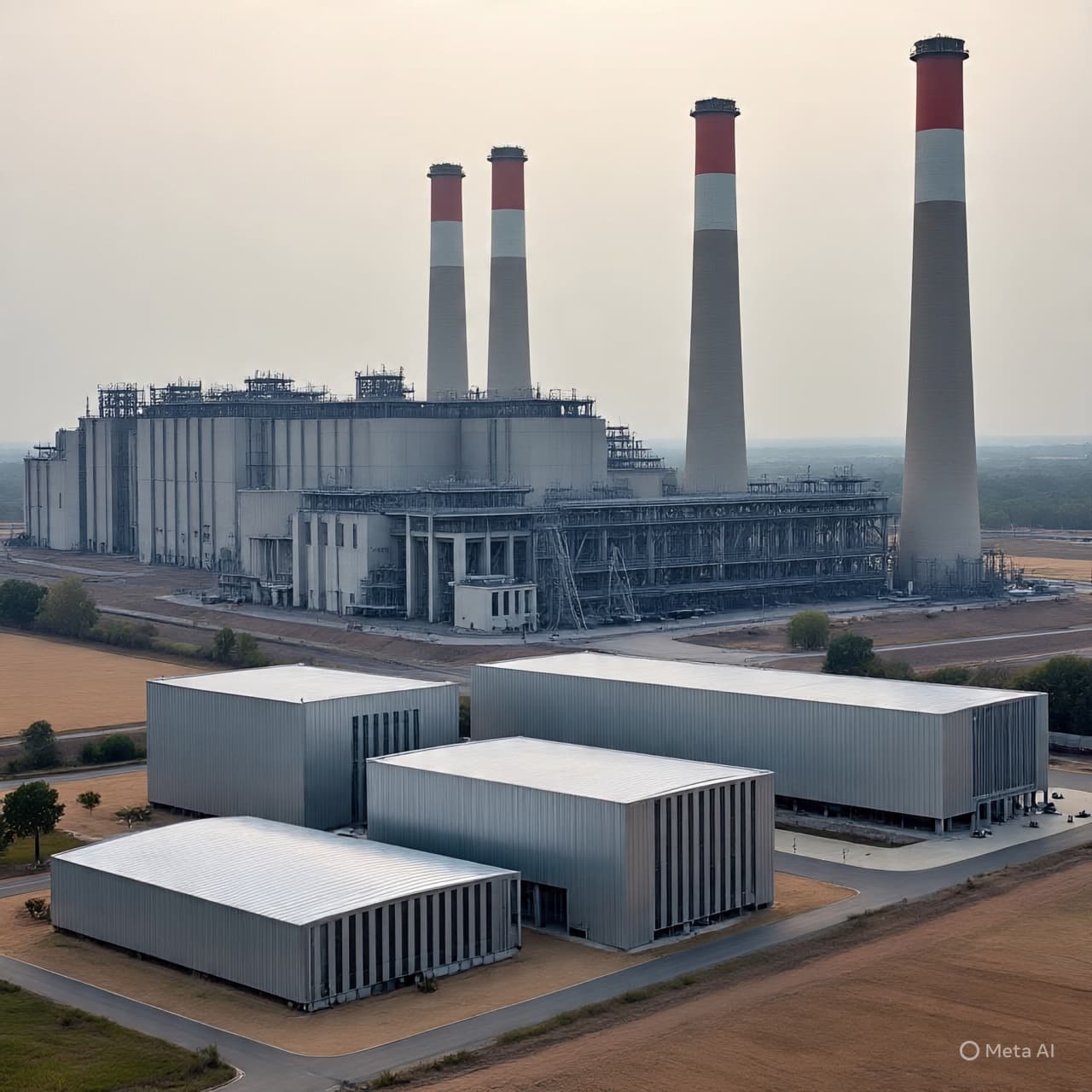
The notion of utilizing a 20th-century technology to sustain 21st-century intelligence is both innovative and poetic. Nuclear power plants, once seen as symbols of industrial strength, are now being envisioned as the backbone of vast data centers that drive computation and AI development. This transformation reflects a broader trend of continuity and adaptation rather than outright disruption. Instead of discarding existing infrastructure, France is layering new significance onto its nuclear energy framework, effectively bridging past investments with the emerging demands of the digital age.
The environmental implications of this strategy are significant. As discussions around sustainable AI gain traction, low-carbon electricity sources are becoming increasingly vital. By leveraging nuclear energy, France positions itself as a leader in balancing technological growth with environmental responsibility. This approach not only addresses the immediate energy needs of AI but also aligns with global efforts to reduce carbon emissions and combat climate change.
However, the ambition to integrate AI and nuclear energy raises critical questions. Data centers are inherently expansive, both in terms of physical space and energy consumption. Successfully incorporating these facilities into existing energy grids necessitates meticulous technical planning and long-term strategies that can accommodate fluctuating energy demands. Industry experts view this moment as pivotal, marking a shift in how nations conceptualize competitiveness in the tech landscape. It is no longer solely about innovation; it is also about the resources that underpin that innovation.
France's strategy reflects a measured confidence. Rather than pursuing rapid transformations, the country is focused on aligning its energy systems with the evolving technological landscape. This approach emphasizes gradual recalibration, ensuring that energy resources are effectively utilized to support the burgeoning field of AI.
As AI technology continues to advance, the critical question will not only be how intelligent these systems can become but also how sustainably they can operate. France's nuclear energy strategy offers one potential pathway, grounded in a commitment to continuity and thoughtful adaptation. This model could serve as a blueprint for other nations grappling with similar challenges in the intersection of energy and technology.
AI Image Disclaimer Visuals are created with AI tools and are not real photographs.
Published by Banx Network. This article is part of the Banx decentralized media programme, powered by the BXE token on the XRP Ledger.



