
Key Highlights
- Reports suggest Mojtaba Khamenei, Iran's new supreme leader, may have been injured.
- U.S. Defense Secretary Pete Hegseth made the claim amid rising tensions.
- Official confirmation from Iranian authorities remains unverified.
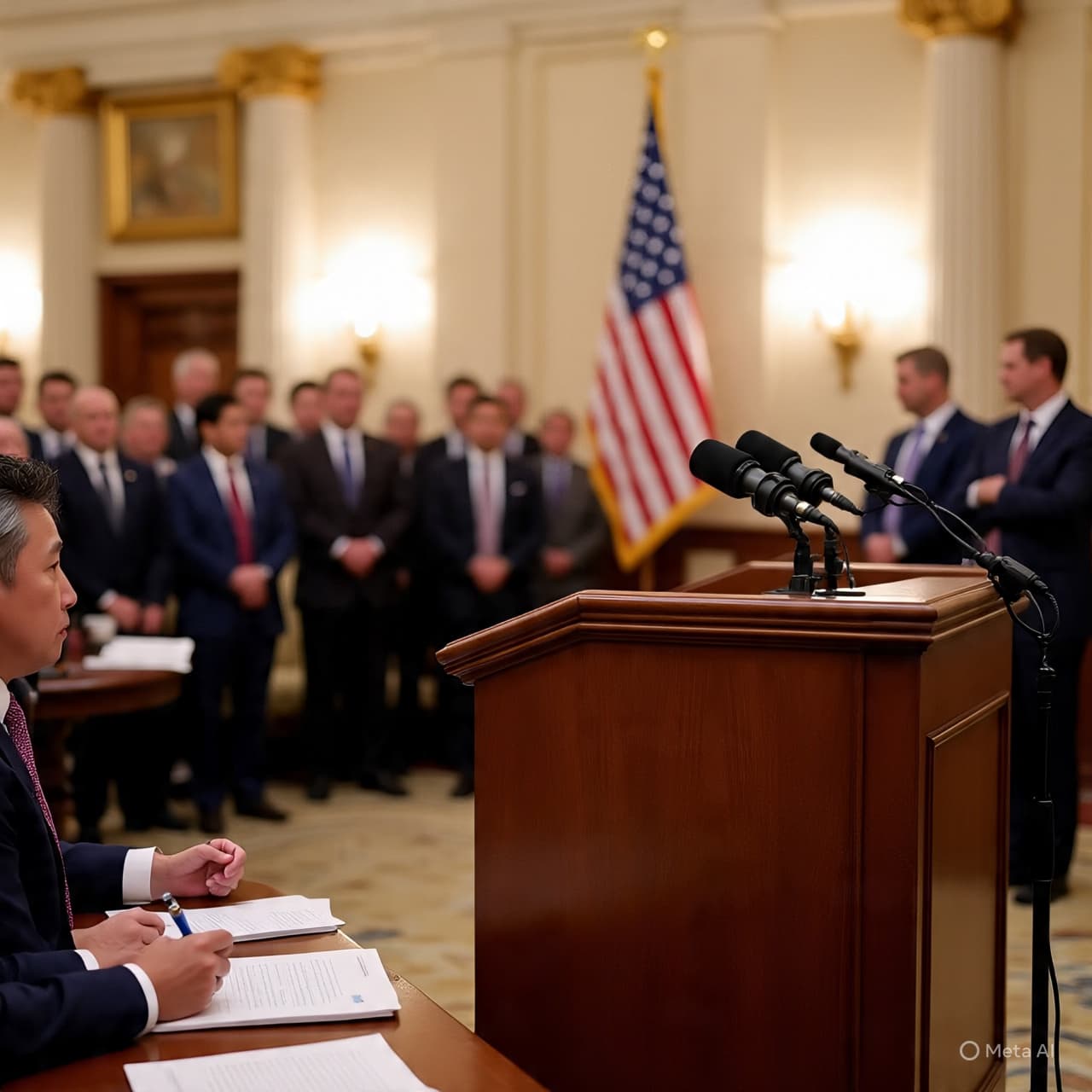
The ongoing conflict between the United States and Iran has taken a new turn this week, as reports emerge regarding the health of Mojtaba Khamenei, who has recently assumed the role of Iran's supreme leader. U.S. Defense Secretary Pete Hegseth stated in a public briefing that intelligence assessments indicate Khamenei may have sustained injuries during the current hostilities. This assertion has sparked widespread interest and concern, although independent verification of the claim remains elusive.
In the realm of international relations, particularly during times of conflict, the flow of information can be both rapid and fragmented. Governments often release statements that are subject to interpretation by analysts and media outlets, while diplomats work behind the scenes to discern fact from speculation. The situation is further complicated by the high stakes involved, as the supreme leader of Iran holds significant authority over national security and governance.
The implications of Khamenei's reported injury are profound. Should the claim be substantiated, it could lead to shifts in Iran's political landscape and influence how foreign governments engage with Tehran. The supreme leader's health is a matter of national concern, and any uncertainty surrounding his condition could affect internal political dynamics and public sentiment within Iran.
Despite the gravity of the situation, Iranian officials have not confirmed the reports regarding Khamenei's health. This lack of official communication has led analysts to approach the information with caution, emphasizing the need for further clarity before drawing conclusions. The absence of confirmation from Tehran underscores the challenges of obtaining reliable information during wartime, where misinformation can spread rapidly.
The backdrop to these developments is a broader escalation in U.S.-Iran tensions, characterized by military confrontations and diplomatic maneuvering. As the situation evolves, governments across the Middle East are closely monitoring events, aware that decisions made in Washington and Tehran can have far-reaching consequences for regional stability.
In the world of diplomacy, uncertainty is often a constant companion. Statements are crafted with care, and every piece of information is scrutinized for its potential impact. For the public, however, the unfolding narrative is often distilled into brief headlines and updates, creating a sense of urgency that can outpace the clarity of the situation.
As the day progresses in Washington and night falls in Tehran, the question surrounding Mojtaba Khamenei's reported injury remains unresolved. Investigations and intelligence assessments may eventually provide more definitive answers, but for now, the story serves as a reminder of the precarious nature of certainty in international affairs, where even the fate of a nation's highest leader can be caught in the liminal space between rumor and verified fact.
Published by Banx Network. This article is part of the Banx decentralized media programme, powered by the BXE token on the XRP Ledger.



