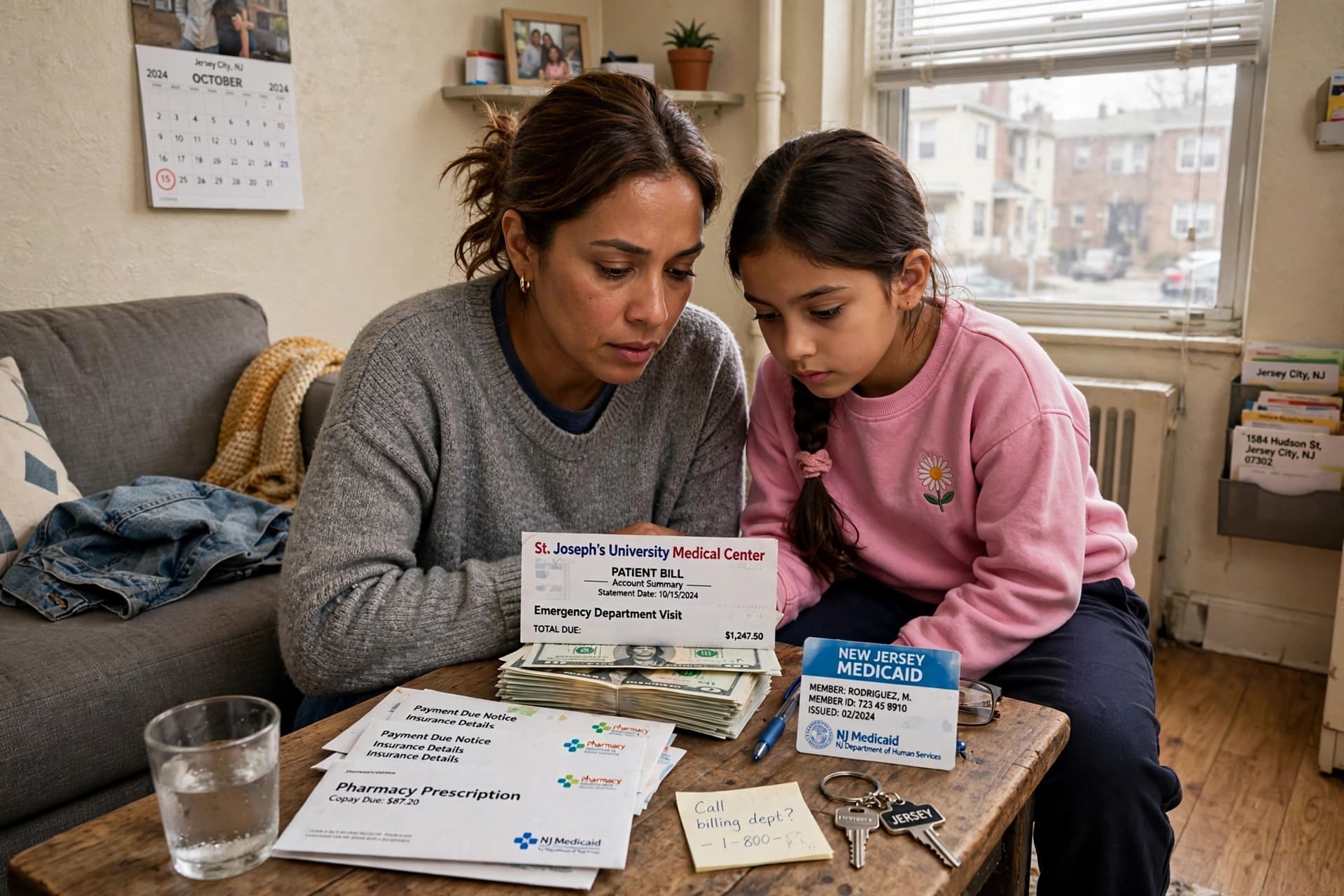
There is a particular kind of irony that arrives when a law meant to protect a nation’s resources turns instead against those who were invited in. Under the One Big Beautiful Bill Act, signed by President Donald Trump in July 2025, hundreds of thousands of immigrants with legal status are now at risk of losing government health coverage. They are not undocumented. They are refugees of war, asylees who fled persecution, victims of sex trafficking, and interpreters who risked their lives assisting U.S. service members in Afghanistan—all of whom are in the country with the federal government’s permission .
Starting October 1, states began terminating Medicaid coverage for many of these lawfully present immigrants. The Congressional Budget Office originally estimated that the law’s changes would lead to about 100,000 more immigrants being uninsured by 2034, but state data suggests the impact may be far greater. More than 281,000 immigrants from nine states and the District of Columbia are expected to lose Medicaid in October alone, signaling that the CBO significantly underestimated the number of people affected .
The numbers from individual states are striking. Florida has identified nearly 177,000 immigrants who would no longer qualify for the state’s Medicaid program. Arizona predicts nearly 28,000 could lose eligibility. New Jersey expects 15,000 to 25,000 to lose coverage, North Carolina about 29,000, and Washington state roughly 11,000. Final numbers from states on how many enrollees have been terminated will not be available until later this fall .
The law’s provisions strip Medicaid eligibility from refugees and asylees, overturning decades of policy established in the Refugee Act of 1979. It also partially repeals an ACA provision that had allowed lawful permanent residents with low incomes to receive premium tax credits to purchase insurance on the marketplaces, a policy that had been effective at increasing coverage among lower- and middle-income legal residents. The Trump administration also eliminated coverage options for Deferred Action for Childhood Arrivals (DACA) recipients, meaning an estimated 100,000 young adults could lose coverage .
For the individuals affected, the loss of coverage is not an abstraction. Ahin, a 25-year-old refugee from Syria who arrived in the United States in October 2024, required intestinal surgery soon after her arrival. Those costs, along with ongoing specialist visits, were covered by Medicaid. “I’m really worried about this,” she said, speaking on the condition that only her first name be used. “It’s truly a terrible situation.” She lives in a small apartment in New Jersey with her mother, who has asthma and also relies on Medicaid .
Immigrant rights advocates note that the federal government required states to notify affected immigrants, but some states did not begin sending letters until September, leaving enrollees with little time to respond or to correct errors if their coverage was mistakenly terminated. Without health coverage, immigrants are likely to lose access to doctors, prescription drugs, and most other medical services. They could still qualify for coverage of emergency care under a separate program known as Emergency Medicaid, but the federal share of funding for that program has also been reduced .
AI Image Disclaimer: The images accompanying this article were generated by artificial intelligence and are intended for conceptual illustration only.
Sources: KFF Health News, STAT, JAMA Forum, Public Health Post
Published by Banx Network. This article is part of the Banx decentralized media programme, powered by the BXE token on the XRP Ledger.