
Key Highlights
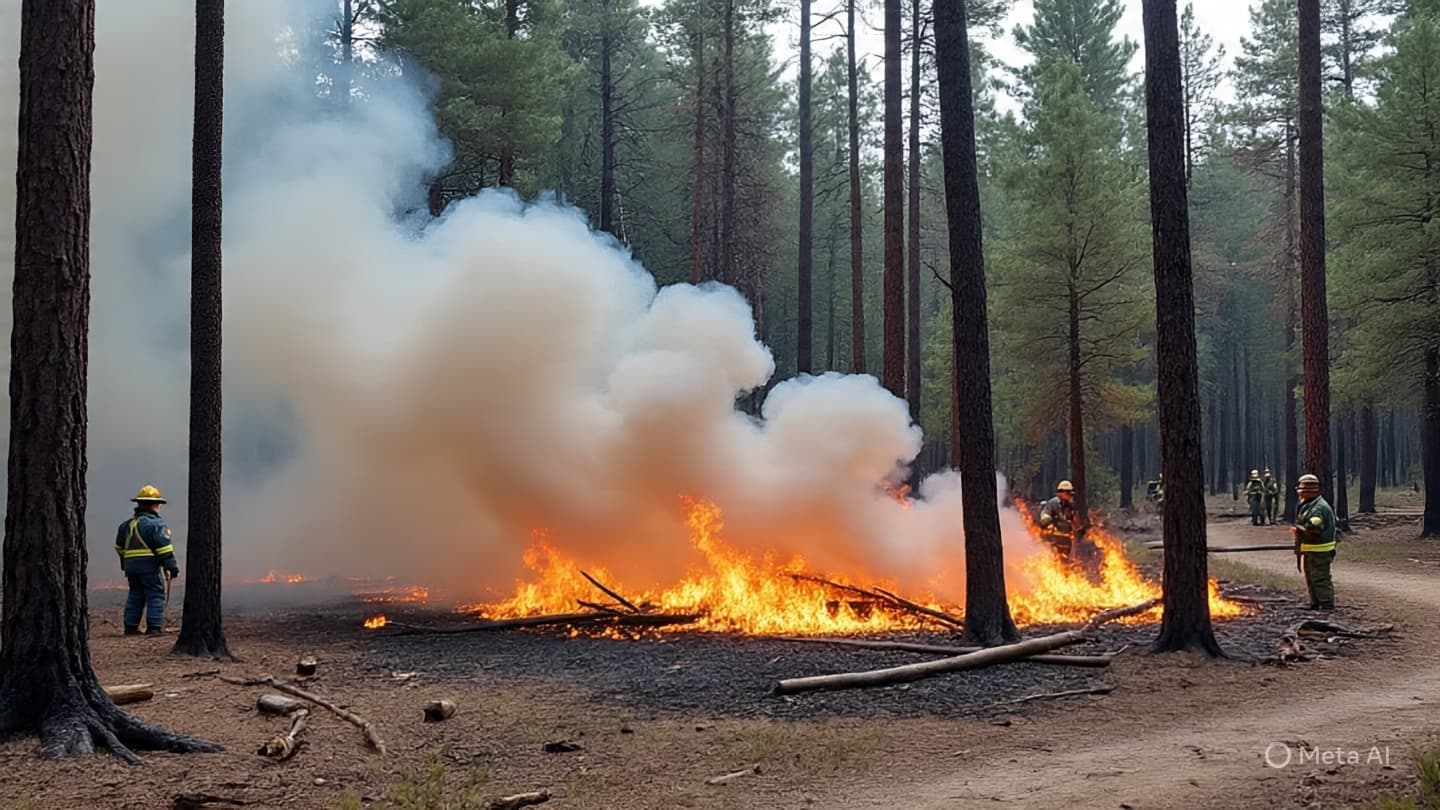
- Latvia has experienced hundreds of forest fires, primarily small-scale incidents.
- Authorities are enhancing monitoring systems and preventive measures.
- Environmental factors and human activity contribute to the frequency of these fires.
Latvia, a country known for its lush forests and diverse ecosystems, has been grappling with the challenge of recurring forest fires. While many of these fires are small and often go unnoticed, their increasing frequency raises concerns about the underlying vulnerabilities in the region's natural environment. Over the years, hundreds of forest fires have been recorded, and although each incident may seem manageable, the cumulative effect of these events paints a more alarming picture.
The Latvian authorities have responded to this growing concern with vigilance and proactive measures. Monitoring systems have been expanded to detect fires early, and preventive strategies are reinforced annually. This consistent approach is crucial, as it allows for a more effective response to the recurring risks posed by forest fires. The government recognizes that while individual fires may not signal a crisis, their patterns indicate a need for ongoing awareness and preparedness.
Environmental experts attribute the rise in forest fires to a combination of factors. Dry conditions, seasonal changes, and human activities within forested areas all play a role in shaping the landscape. For instance, prolonged dry spells can create ideal conditions for fires to ignite and spread. Additionally, human activities, such as land clearing and recreational use of forest areas, can inadvertently contribute to the ignition of fires. These factors, when combined, create a complex scenario that requires careful monitoring and management.
Despite the challenges posed by these fires, they do not necessarily indicate an impending environmental disaster. Instead, they serve as a reminder of the delicate balance between human activity and nature. The presence of these fires highlights the importance of understanding our relationship with the environment and the need for sustainable practices that minimize risks.
As Latvia continues to navigate this issue, the focus remains on enhancing awareness and preparedness. The government and environmental organizations are working together to educate the public about fire safety and the importance of preserving the natural landscape. By fostering a culture of responsibility and vigilance, Latvia aims to mitigate the impact of forest fires and protect its rich ecological heritage.
In conclusion, while the recurring forest fires in Latvia may not signal an immediate crisis, they underscore the need for ongoing attention and proactive measures. As the landscape continues to evolve, so too must our understanding and approach to managing these natural events. The story of Latvia's forest fires is not just about the flames; it is about the intricate relationship between people and the environment, and the responsibility we share in safeguarding it for future generations.
Published by Banx Network. This article is part of the Banx decentralized media programme, powered by the BXE token on the XRP Ledger.



