In the intricate machinery of public infrastructure, even the smallest flaw can bring operations to a halt. At Hobart’s Risdon Prison Complex, a newly constructed 19.8 million kitchen and bakery has been forced to close due to a significant flooring defect. As a result, daily meals for hundreds of inmates are now being transported from Victoria, a logistical workaround that highlights the complexities of managing large-scale public projects. This situation invites reflection on the balance between innovation, quality control, and the practical needs of institutional care.
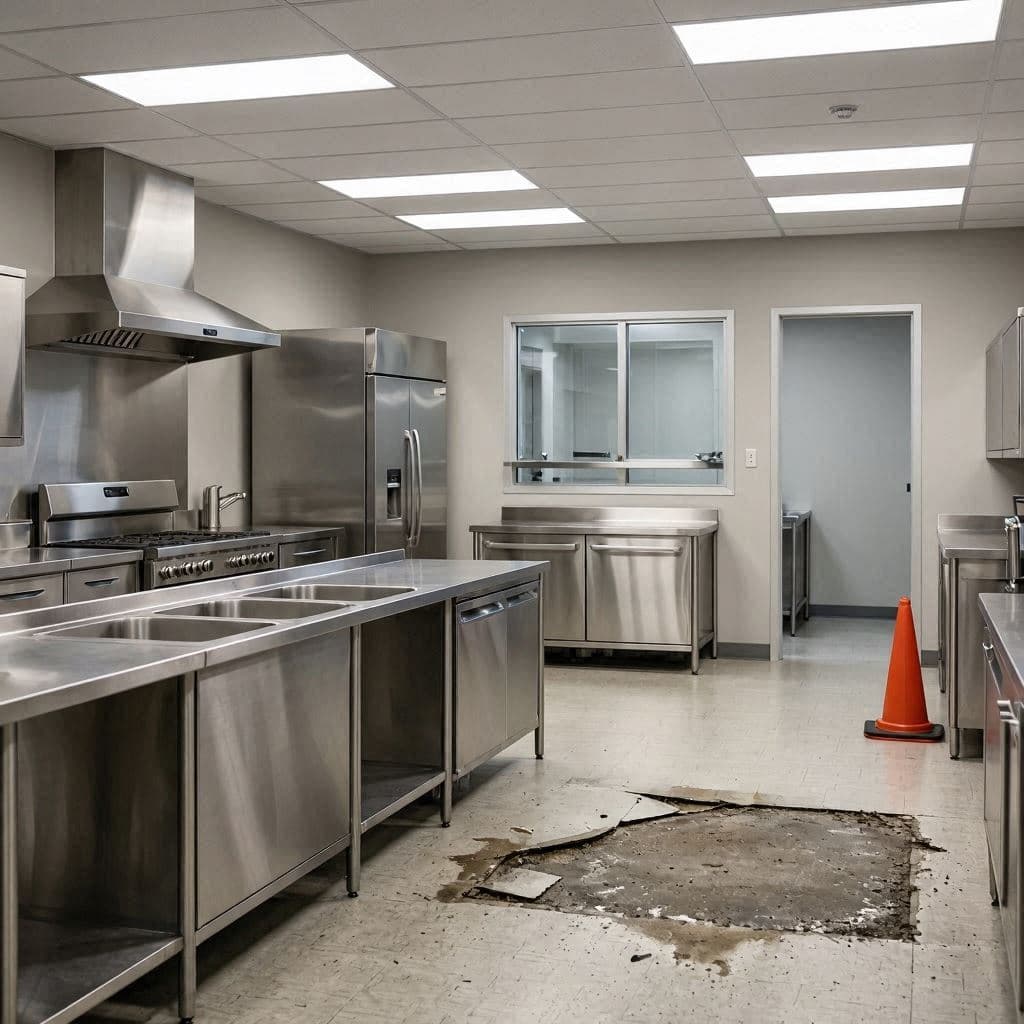
Body: The kitchen, which opened just three months ago, was intended to modernize food production for the prison and improve efficiency. However, shortly after commencement, issues with the flooring emerged, rendering the facility unsafe for operation. The defect, described as a structural fault, has prevented staff from using the space, leading to an immediate suspension of all cooking and baking activities on-site. The closure has necessitated an alternative solution to ensure inmates continue to receive regular meals.
To bridge the gap, corrections authorities have arranged for meals to be sourced from a provider in Victoria. These meals are shipped across the Bass Strait to Tasmania, a process that incurs additional costs and logistical challenges. Estimates suggest that this arrangement could cost taxpayers over 90,000 per week, a significant expense for a temporary fix. The situation underscores the financial implications of construction failures in public infrastructure.
Union representatives have voiced concerns about the handling of the project, noting that workers had raised issues during the construction phase but felt their warnings were overlooked. The Community and Public Sector Union (CPSU) has called for a thorough investigation into how the defect was allowed to occur and why it was not addressed before the facility opened. This critique highlights the importance of accountability and rigorous oversight in public works.
For the prison staff, the closure has meant a shift in routines and responsibilities. Instead of preparing fresh meals on-site, they are now managing the distribution of imported food. This change affects not only the workflow but also the morale of employees who take pride in providing quality service. The disruption serves as a reminder of how dependent institutions are on reliable infrastructure.
The Tasmanian Department of Justice has acknowledged the issue and stated that repairs are underway. Bakery operations are expected to move into the new facility early in the new year, with full kitchen operations anticipated to resume by March 2026. Until then, the reliance on interstate supplies will continue, a stopgap measure that aims to maintain standards while the building is rectified.
Public reaction has been mixed, with some expressing frustration at the cost and others understanding the necessity of ensuring safety. The incident has sparked debates about procurement processes and the selection of contractors for major government projects. It raises questions about whether adequate testing and inspection protocols were followed before the kitchen was commissioned.
Closing: As repairs progress, the focus remains on restoring full functionality to the Risdon kitchen. The situation at the prison is a case study in the challenges of public infrastructure management. By addressing the defect and learning from the experience, authorities aim to prevent similar issues in the future, ensuring that public funds deliver lasting value.
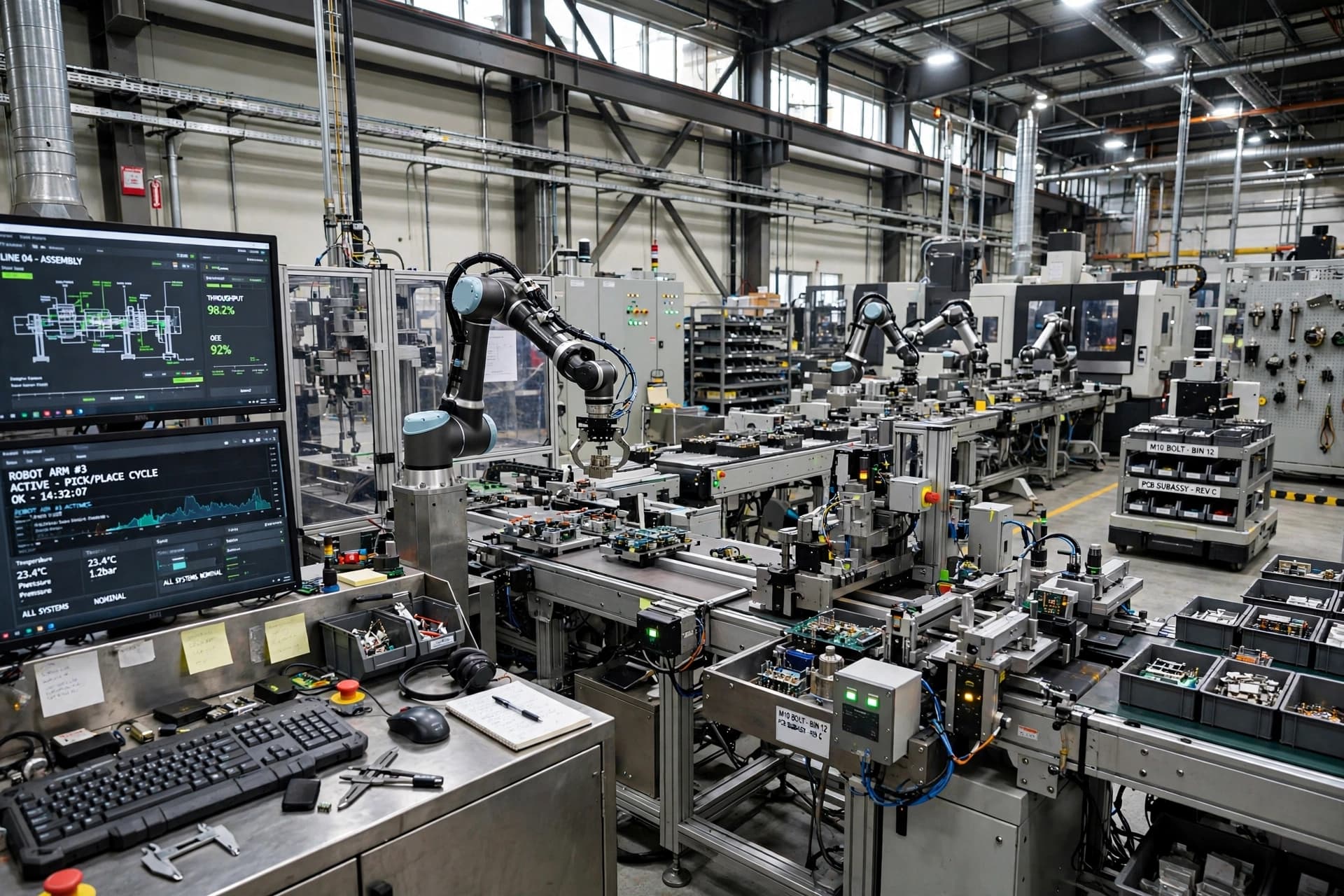
AI Image Disclaimer: Visuals in this article are AI-generated representations of industrial kitchens and logistics operations, intended to illustrate the context of food production and transport without depicting specific real-world facilities.
Sources: ABC News Pulse Tasmania The Mercury Tasmanian Department of Justice
Published by Banx Network. This article is part of the Banx decentralized media programme, powered by the BXE token on the XRP Ledger.