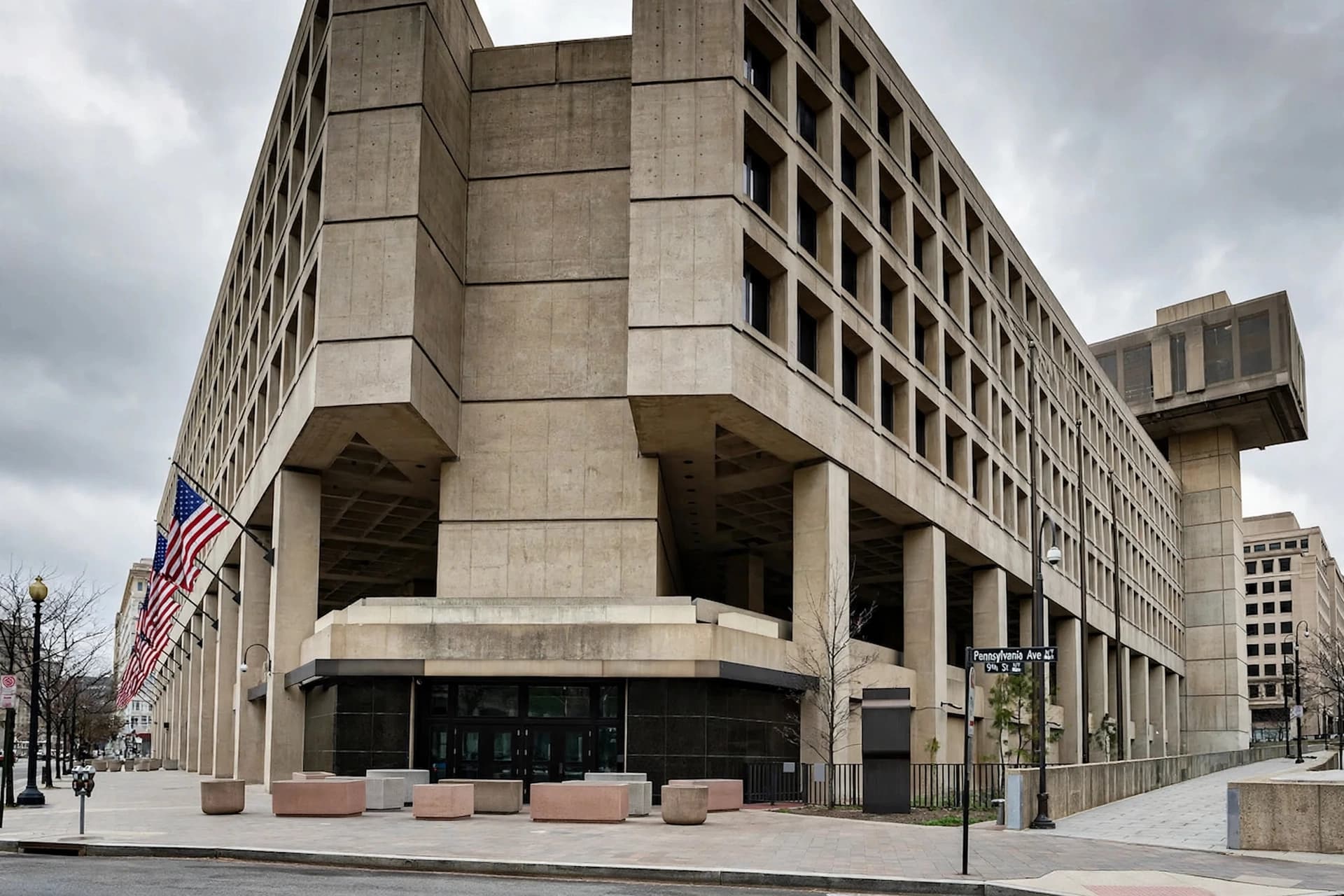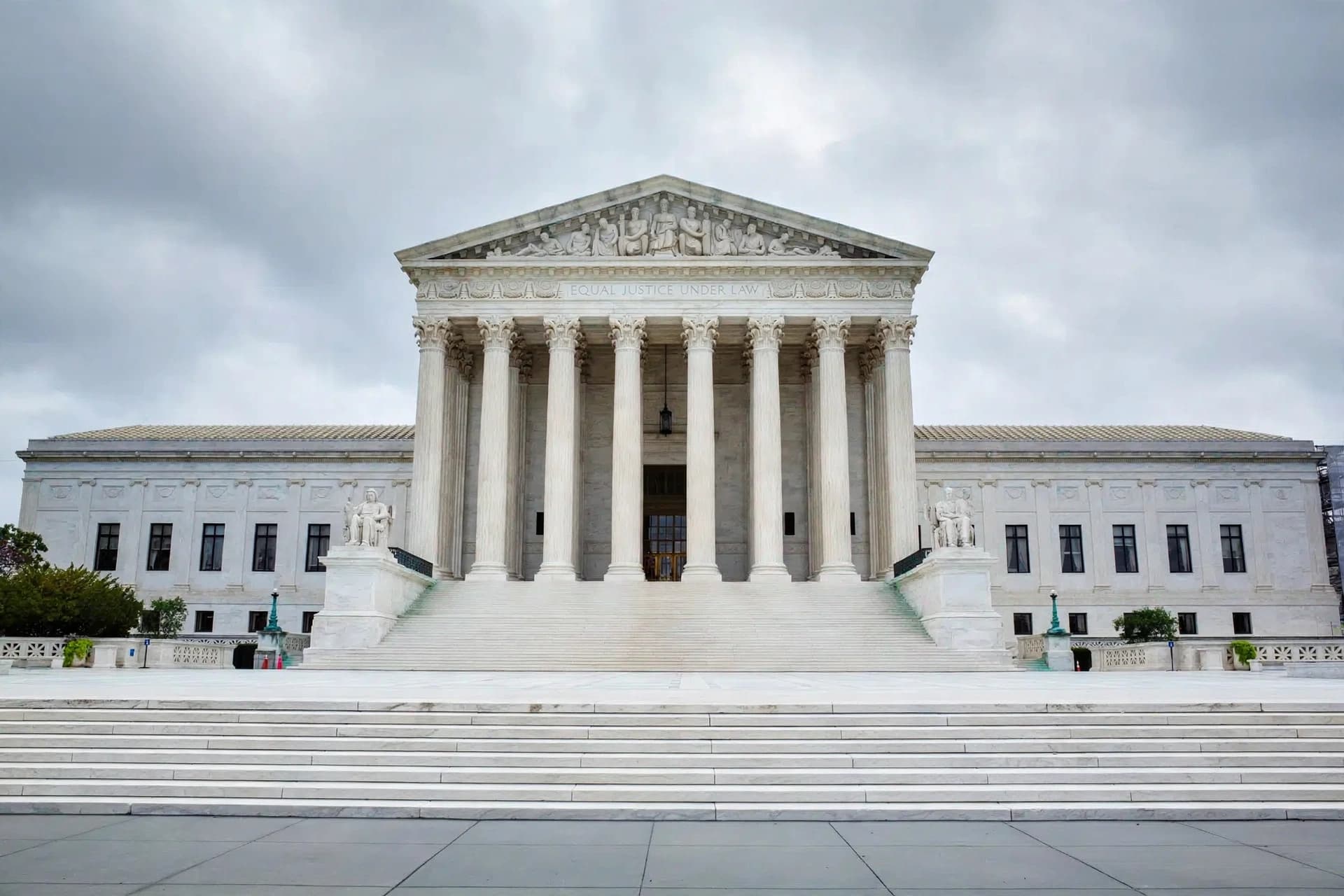
In the architecture of a nation's laws, there are moments when the highest court turns a key in a door that many had hoped would remain closed—or open, depending on where one stands. Tuesday was such a moment, as the Supreme Court allowed the Trump administration to resume deporting immigrants to countries where they have no ties, while the justices prepare to hear arguments on the policy's legality in December.
The court's conservative majority granted an emergency request from the Justice Department, lifting a lower court ruling that had blocked the policy. The three liberal justices—Sonia Sotomayor, Elena Kagan, and Ketanji Brown Jackson—dissented, though none explained their reasoning. The order was brief, unsigned, and consequential.
At issue is the practice of "third-country" deportations, in which the United States sends immigrants to nations other than their own when their home countries refuse to accept them. The policy has been used to remove more than 25,000 people to at least 29 countries, including South Sudan, Uganda, Equatorial Guinea, and the Central African Republic. Many of those nations face instability, conflict, or humanitarian crises.
U.S. District Judge Brian Murphy of Boston had ruled that the policy violates federal immigration law and due process protections, finding that individuals are not given sufficient opportunity to raise concerns that they might face torture or persecution in the third country. The First Circuit Court of Appeals upheld that ruling, and it went into effect on September 23. The administration then rushed to the Supreme Court, arguing that the lower court orders had "created substantial logistical problems with ongoing removal operations," including the cancellation of a flight scheduled to carry 70 people with criminal convictions to three countries.
Solicitor General D. John Sauer told the justices that third-country deportations are "an essential tool to remove certain aliens, including some of the worst criminal aliens". The administration has argued that it does not need individualized determinations because the countries receiving deportees have provided assurances that they will not mistreat them.
Lawyers for the immigrants, however, have described a different reality. In court filings, they said some deportees have been unlawfully transferred back to their home countries from which the U.S. had already granted them protection, while others have been beaten, sexually assaulted, detained, or have disappeared. The lead plaintiff, identified only as D.V.D., is a Cuban national with severe mental illness who fears being sent to a country where he would not receive psychiatric treatment. More than a dozen United Nations human rights experts have urged the U.S. government to halt the policy, warning it puts migrants at heightened risk of abuse.
The Supreme Court's action does not resolve the legal question. It simply allows the policy to continue while the case proceeds, with oral arguments set for December. The case represents the third time the court has sided with the administration on this issue, and it places the justices at the center of one of the president's most prominent priorities.
For now, the flights may resume. The legal battle will continue. And thousands of lives remain suspended between a policy designed to speed removals and the courts still weighing whether that speed comes at too high a cost.
Note: Images accompanying this article are generated by artificial intelligence and are not photographs of real events.
Sources:
· The Hill · NBC News · CBC News · The Guardian · Roll Call
Published by Banx Network. This article is part of the Banx decentralized media programme, powered by the BXE token on the XRP Ledger.