Full Editorial-Style Article Sunlight filters through an old glass window, scattering a thousand tiny reflections across a quiet room — reminders of moments waiting to be seen, understood, and gently guided into clarity. In medicine, too, there have long been shadows between what is known and what might be caught before it deepens into something harder to treat. Now, the advent of artificial intelligence in breast cancer screening feels a bit like adjusting that windowpane — letting in a bit more light where it was once dulled.
In a landmark study from Sweden involving more than 100,000 women, researchers explored what happens when the keen eye of a radiologist is supported by machine intelligence during mammograms. The results, published in The Lancet, suggest that this partnership can make a measurable difference: the rate of later cancer diagnoses — those discoveries made years after routine screening — was reduced by 12% in women whose scans were assessed with AI assistance compared with conventional methods.
The AI doesn’t replace the human expert; rather, it guides attention, highlighting patterns and subtle signs that might otherwise slip between readings. Think of it as a compass in familiar terrain, not a replacement for the traveler but a quiet reassurance that fewer paths will be overlooked. In the trial, women in the AI-supported group had more cancers detected during the screening itself — a sign of earlier recognition — and a greater proportion of those cancers were found at that moment rather than later in the field of life that follows screening.
Researchers also noted that this approach could relieve some of the workload pressures on radiologists, who read mammograms day after day under ever-present demand. By assigning low-risk images to single reading and directing human focus where the algorithm indicates higher concern, the process becomes less strenuous without diminishing care. Cancers that may have been subtle or borderline difficult to detect can be brought forward into clearer focus, like whispers finally given a chance to be heard.
Yet, as with all tools new to the clinic, caution accompanies optimism. Experts emphasize the need for careful implementation, ongoing monitoring, and more wide-ranging confirmation beyond one large trial. Artificial intelligence, after all, is a lens — one deserving of careful calibration and human oversight rather than a wholesale replacement for human judgment.
In these reflections, the quiet hope emerges that more women might see breast cancer sooner and more clearly, that fewer lives will navigate the fog of later-stage diagnosis. If this early evidence holds and grows, clinicians and patients alike may find in AI not a rival, but an ally in the journey toward earlier detection and gentler care.
In a large randomized Swedish trial of over 100,000 women, breast cancer screening supported by artificial intelligence was associated with a 12% reduction in later diagnoses compared with standard screening. The study showed increased cancer detection at the screening stage and potential reductions in aggressive disease, suggesting that AI tools could enhance early detection without replacing radiologists. Researchers emphasized careful, monitored implementation as the technology continues to be evaluated.
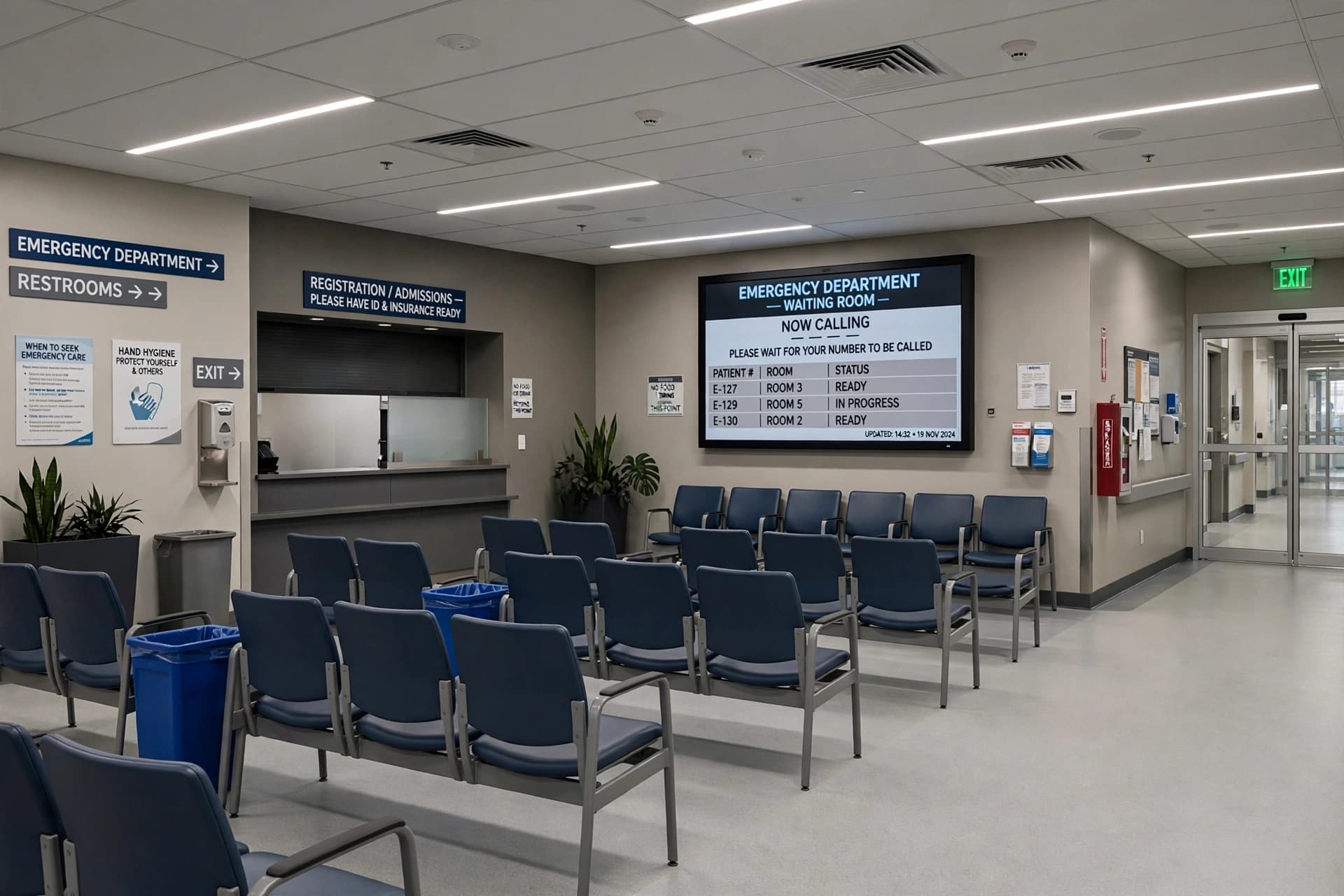
AI Image Disclaimer “Visuals are created with AI tools and are not real photographs.”
Sources The Guardian Digital Watch Observatory News-Medical.net Newsbytes App Bloomberg
Published by Banx Network. This article is part of the Banx decentralized media programme, powered by the BXE token on the XRP Ledger.