
Key Highlights
- Gabon is shifting from food imports to local production.
- The government has launched initiatives to enhance agricultural zones.
- The focus is on sustainability and food security for vulnerable populations.
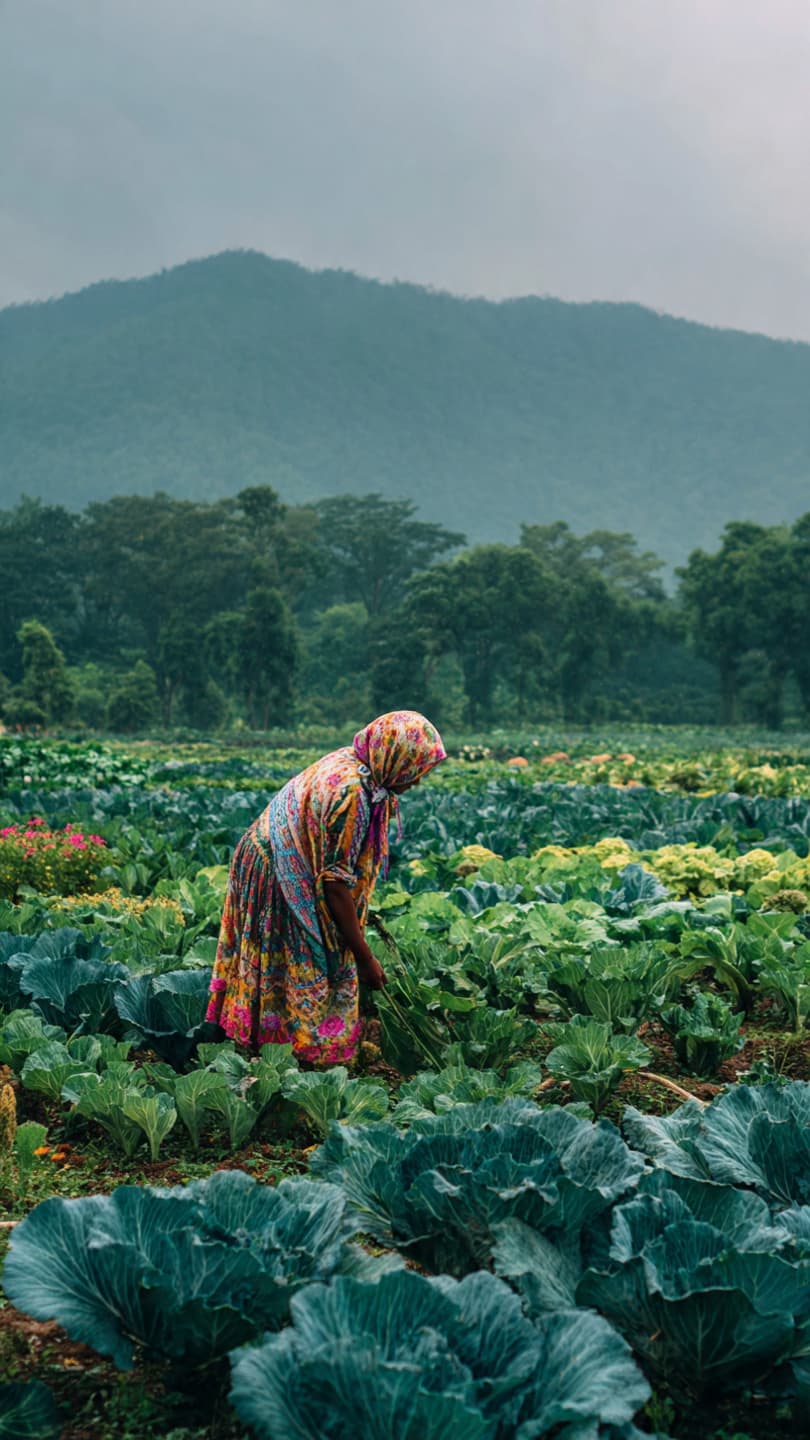
Gabon is experiencing a quiet agricultural revolution, particularly in the fertile plains of Woleu-Ntem and experimental farms near the capital. This movement is not just about farming; it is a profound narrative of nourishment and self-sufficiency. By rediscovering the potential of its own land, Gabon aims to reduce its reliance on imported food, which has long been a staple of its economy. The emergence of new plantations and modern greenhouses symbolizes a nation reclaiming its sovereignty over food production.
The transformation in Gabon's agricultural sector is marked by a seasonal rhythm, evident in the diligent work of community gardens and the sophisticated irrigation systems being implemented in Agro-Industrial Zones. This shift reflects a national priority: the health of its citizens is closely tied to the vitality of local farms. The movement towards sustainable agriculture is not merely a trend; it is a commitment to turning the forest's edge into a modern pantry, ensuring that the country can feed itself.
Food security in Gabon is being redefined through a focus on crop diversification, which includes staples like cassava and high-value crops such as cocoa. The rise of a new generation of 'agri-preneurs' is pivotal, as they view the land as a source of professional pride and economic opportunity. The government is also mindful of environmental sustainability, ensuring that agricultural expansion does not compromise the integrity of Gabon's forests. This careful balance is crucial for the nation's long-term resilience.
As the sun rises and the morning dew evaporates from the leaves of banana trees, the importance of the harvest becomes clear. Food is not merely a commodity; it represents a declaration of independence for Gabon. The atmosphere is filled with optimism, as the nation recognizes that its wealth can be measured not only in mineral resources but also in the abundance of its agricultural output.
In agricultural research centers across the country, experts are discussing best practices for tropical farming with a focus on scientific precision. This movement is characterized by the distribution of high-quality seeds and the adoption of climate-smart techniques. The commitment to sustainable farming practices demonstrates that an urbanized nation can still thrive as an agricultural powerhouse.
The transition from being a food importer to a self-sufficient producer marks a significant milestone in Gabon's social evolution. By prioritizing the 'Green Gabon' initiative within its development plan, the government aims to secure the basic needs of its most vulnerable populations. This cultivation movement is expected to establish a steady rhythm, reminding the nation of the transformative power of agriculture.
Under the 'Gabon Grain' and 'PRODIAG' programs, the government has accelerated the development of five High-Productivity Agricultural Zones (ZAP). These initiatives are designed to boost local production of poultry, livestock, and staple crops, with a goal of reducing food imports—which currently account for a significant portion of national consumption—by 50% within the next decade. This ambitious plan underscores Gabon's commitment to achieving food security and fostering a sustainable agricultural future.
Published by Banx Network. This article is part of the Banx decentralized media programme, powered by the BXE token on the XRP Ledger.



