
Key Highlights
- Historic Agreement:The UK and Gulf states sign a landmark trade deal.
- Economic Cooperation:The deal spans finance, technology, and renewable energy.
- Geopolitical Implications:Trade agreements now reflect broader strategic interests.
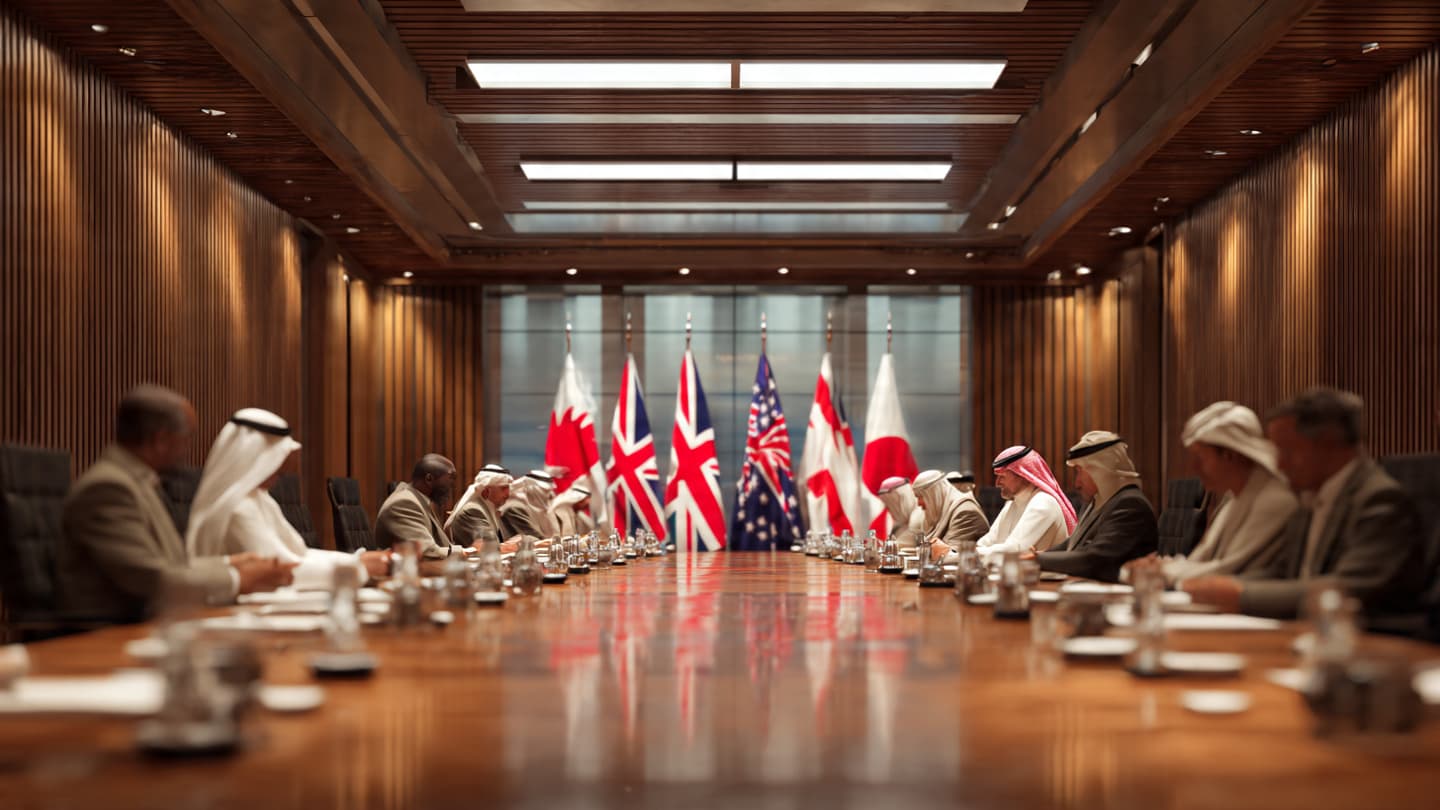
The United Kingdom has recently announced a significant trade agreement with the Gulf Cooperation Council (GCC), marking a pivotal moment in international trade relations. This deal is notable as it represents the first formal trade arrangement between a G7 nation and the GCC, which includes Saudi Arabia, the United Arab Emirates, Qatar, Kuwait, Bahrain, and Oman. British officials have hailed this agreement as a historic milestone, emphasizing its potential to strengthen economic ties with one of the fastest-growing investment regions globally.
The agreement encompasses a wide range of sectors, including finance, technology, renewable energy, manufacturing, and infrastructure. British leaders have indicated that this partnership is expected to facilitate increased investment flows and create new opportunities for businesses operating between the UK and Gulf economies. This move aligns with the GCC's ongoing efforts to diversify its economies beyond oil dependency, as these nations have been investing heavily in tourism, logistics, digital technology, and urban development initiatives.
In the wake of Brexit, UK policymakers have been actively seeking to expand trade relationships beyond Europe. Analysts have pointed out that Gulf economies present strategically attractive markets, bolstered by substantial sovereign wealth funds, ambitious modernization projects, and an increasing international presence. The potential for economic collaboration is significant, particularly in sectors where both regions have complementary strengths.
The announcement has been met with enthusiasm from various business organizations in the UK, especially those connected to finance and advanced technology. Economists suggest that this agreement could bolster Britain's long-term export position, especially in light of the uncertainties currently affecting global trade and supply chains. The deal is seen as a proactive step to enhance the UK's economic resilience in a rapidly changing global landscape.
However, the trade agreement has also sparked discussions about labor rights and human rights issues. Advocacy groups are urging governments to address these concerns alongside commercial cooperation, highlighting the importance of ethical considerations in international trade negotiations. Such debates are particularly relevant when engaging with rapidly developing economies that are undergoing significant infrastructure investments.
Moreover, observers have noted that contemporary trade agreements increasingly carry geopolitical significance. They are often viewed through the lens of energy security, regional influence, and strategic alliances, reflecting the shifting diplomatic priorities of nations worldwide. As the global economy continues to evolve, the implications of such agreements extend beyond mere economic transactions.
Officials from both the UK and the Gulf states have indicated that discussions regarding the implementation of the agreement will continue in the coming months. Additional details and sector-specific arrangements are expected to be finalized as both parties work towards realizing the full potential of this historic partnership.
In conclusion, the trade agreement between the UK and the Gulf states not only signifies a strengthening of economic ties but also reflects the broader shifts occurring within the global economy. As nations navigate the complexities of international trade, such agreements will play a crucial role in shaping future economic landscapes.
Published by Banx Network. This article is part of the Banx decentralized media programme, powered by the BXE token on the XRP Ledger.



