In a move that surprised many bourbon lovers and underscored shifting dynamics in the spirits business, Jim Beam — one of the most iconic names in American whiskey — announced it will halt production at its main distillery in Kentucky for the entirety of 2026. The decision marks a rare pause in operations at the historic James B. Beam campus in Clermont, Kentucky, where bourbon has been distilled for decades.
Starting January 1, 2026, no new bourbon will be distilled at the flagship facility as the company takes the year to invest in site enhancements and adjust production to better match consumer demand and industry conditions, according to Beam’s parent company, Suntory Global Spirits. The pause is described as strategic rather than a permanent closure — and operations at some of Jim Beam’s other Kentucky sites will continue.
The pause affects distillation of several well‑known bourbons produced at the Clermont campus, including Jim Beam’s flagship label and other major brands tied to that facility, though aging, bottling, warehousing and distribution will still continue there. The on‑site visitor center and The Kitchen Table restaurant will also remain open, keeping the historic Kentucky Bourbon Trail destination active for tourists.
Jim Beam says it will continue distilling other products at its Freddie Booker Noe craft distillery in Clermont and the Booker Noe distillery in Boston, Kentucky, ensuring some production carries on during the yearlong pause. The company also notes that it is assessing how best to use its workforce during this transition and remains in communication with union representatives.
Industry analysts see the decision as reflecting broader pressures on the bourbon sector, including rising inventories of aging barrels, cooling demand in some markets and challenges in export sales, particularly amid trade tensions and shifting global consumption patterns. Kentucky’s bourbon industry has reported record levels of stored whiskey, and some producers nationwide have cut back production to rebalance supply with market needs.
For fans and collectors, the production halt at one of bourbon’s most historic distilleries — its modern origins date back to the 1930s — may have ripple effects in the years ahead, depending on how quickly the market absorbs existing inventories and how long the operational pause lasts. But for now, Jim Beam’s year‑long break at its main Kentucky campus is being framed as a proactive step to adapt to changing conditions while preserving the brand’s legacy and long‑term health.
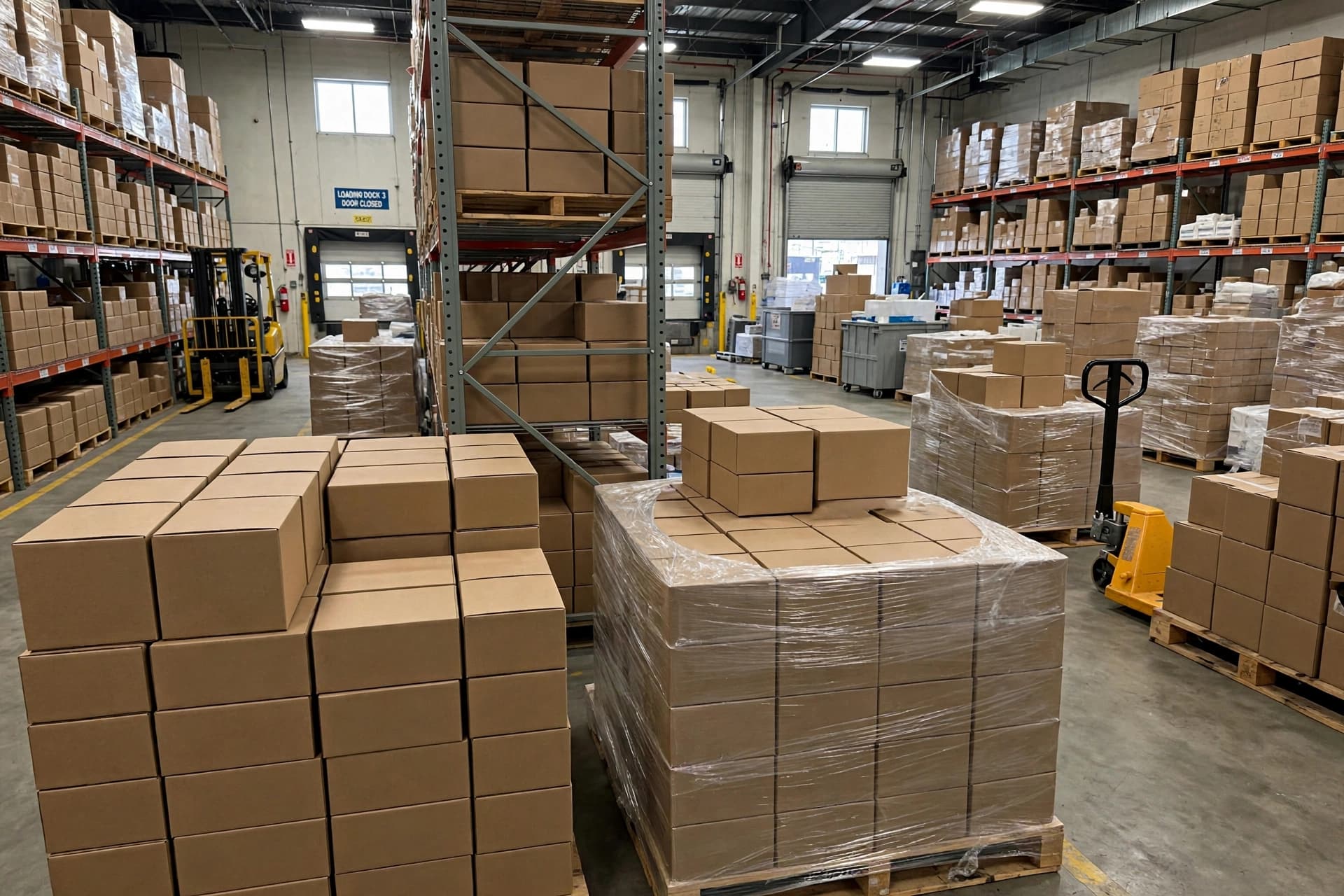
AI Image Disclaimer “Visuals are created with AI tools and are intended for representation only.”
Sources TheStreet RollingOut Louisville Courier‑Journal DrinksDigest Whisky Advocate
Published by Banx Network. This article is part of the Banx decentralized media programme, powered by the BXE token on the XRP Ledger.