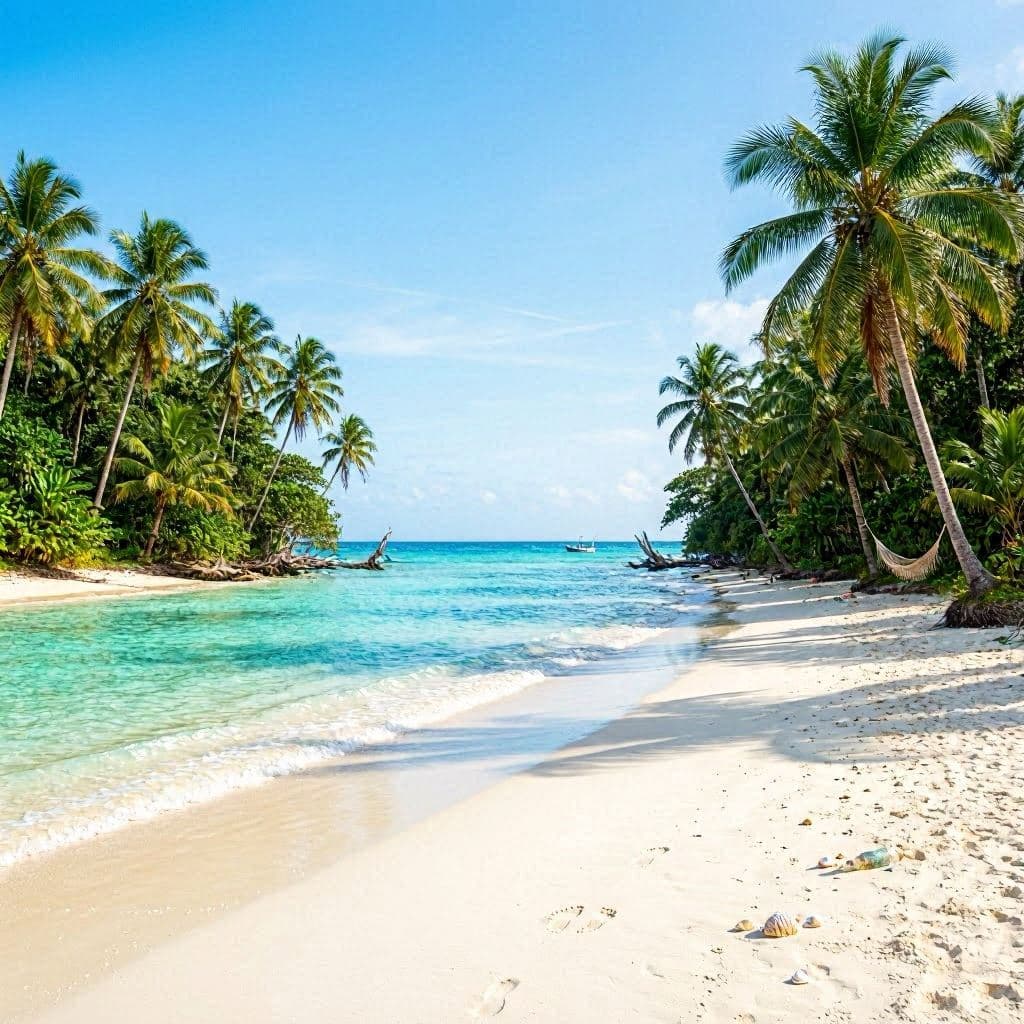
There are places in the world that seem to exist outside of time, where the only clock is the tide and the only map is the memory of those who find them. In Southeast Asia, a region renowned for its tropical splendor, a secluded beach has recently been recognized as one of the most beautiful spots in the area. This accolade is not just a testament to its pristine sands and turquoise waters, but to its ability to remain untouched by the clamor of mass tourism. It invites us to reflect on the value of solitude and the delicate balance between discovery and preservation.
Body: The beach, often accessible only by boat or a rugged trek through lush jungle, offers a sanctuary from the digital noise of modern life. Its isolation is its greatest asset, preserving the natural ecosystem and providing a sense of tranquility that is increasingly rare. Visitors describe the experience as transformative, a chance to reconnect with nature in its rawest form. The sound of waves crashing against limestone cliffs replaces the hum of traffic, creating a symphony of peace.
Recognition by travel experts and publications brings attention to such hidden gems, but it also poses a risk. The label of "most beautiful" can attract crowds, potentially threatening the very qualities that make the site special. Sustainable tourism practices are therefore crucial, ensuring that visitors leave no trace and respect the local environment. It is a responsibility shared by travelers, operators, and local communities to protect these natural treasures.
The biodiversity surrounding the beach is equally impressive. Coral reefs teem with life, and dense forests harbor rare species of flora and fauna. This ecological richness adds depth to the aesthetic beauty, making the location not just a visual delight but a vital habitat. Conservation efforts in the area focus on maintaining this balance, preventing erosion and protecting marine life from pollution.
For local communities, the beach represents both an opportunity and a challenge. Tourism can provide economic benefits, but it must be managed carefully to avoid exploitation. Community-led initiatives often play a key role in guiding visitors, sharing cultural stories, and ensuring that revenue supports local development. This approach fosters a sense of ownership and pride, encouraging stewardship of the land.
The journey to the beach is part of the allure. It requires patience and effort, filtering out those seeking instant gratification and rewarding those willing to invest in the experience. This barrier to entry acts as a natural filter, keeping visitor numbers manageable and preserving the sense of exclusivity. It reminds us that the most rewarding destinations are often those that ask something of us in return.
As word spreads, the beach faces the inevitable tension between fame and secrecy. Those who visit are encouraged to practice mindful travel, respecting the silence and the sanctity of the space. It is a plea for discretion, urging travelers to share the beauty without compromising its integrity. The goal is to keep the secret safe, even as it becomes known.
Closing: In the end, the recognition of this secluded beach is a celebration of natural beauty and the power of preservation. It serves as a reminder that some places are meant to be experienced quietly, with reverence and care. As we seek out the world’s wonders, let us do so with a light footstep, ensuring that these sanctuaries remain pristine for generations to come.
AI Image Disclaimer: The visual representations associated with this article are AI-generated artistic interpretations designed to illustrate the themes of natural beauty and solitude.
Sources: Condé Nast Traveler Travel + Leisure Local Tourism Boards
Published by Banx Network. This article is part of the Banx decentralized media programme, powered by the BXE token on the XRP Ledger.