The sky over Portland, usually a canvas of gray clouds or blue expanses, recently turned an ominous shade of orange-brown. As wildfire smoke from regional blazes drifted into the city, air quality indexes soared to hazardous levels, temporarily making Portland the city with the worst air quality in the world among major metropolitan areas. This environmental phenomenon is not just a weather event but a stark reminder of the growing impact of climate change on daily life and public health.
The smoke originated from wildfires burning in nearby forests, fueled by dry conditions and high temperatures. Wind patterns carried the particulate matter directly into the Willamette Valley, trapping it under a thermal inversion layer. For residents, the air became thick and acrid, forcing many to stay indoors and cancel outdoor activities. Schools closed playgrounds, and sports events were postponed, as the health risks of breathing polluted air became immediate and tangible.
Health officials issued urgent warnings, advising vulnerable populations, including children, the elderly, and those with respiratory conditions, to remain inside with windows closed. Air purifiers became essential tools for survival in many households. The visibility dropped significantly, creating a surreal, dystopian atmosphere in the city center. The experience was a visceral lesson in how environmental disasters can disrupt the rhythm of urban life.
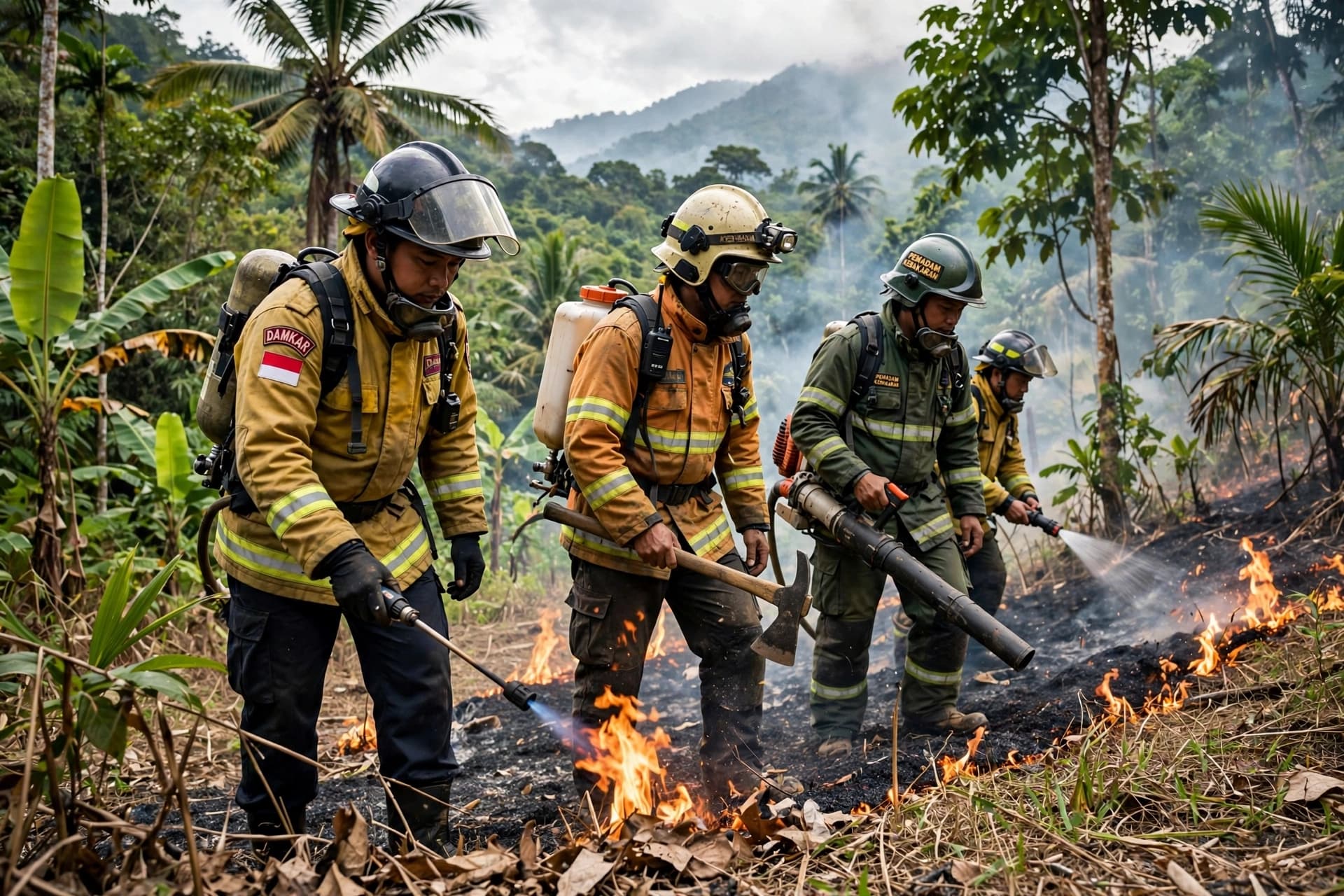
For firefighters, the situation was a race against time. Crews worked tirelessly to contain the blazes, battling heat and difficult terrain. Their efforts were crucial in preventing the fires from spreading closer to populated areas. However, the sheer scale of the wildfires meant that smoke production continued unabated for days, keeping air quality levels dangerously high. The resilience of these first responders was a beacon of hope amidst the haze.
The economic impact was also felt, with businesses suffering from reduced foot traffic and workers unable to perform outdoor tasks. The tourism industry, a vital part of Portland’s economy, faced cancellations as visitors avoided the smoky conditions. This disruption highlights the broader economic vulnerabilities associated with climate-related events, affecting livelihoods beyond just the immediate health concerns.
As the winds eventually shifted and the fires were contained, the air began to clear. But the memory of those days lingers. Residents are now more aware of the need for preparedness, investing in masks and air filtration systems. The event has sparked conversations about long-term strategies for managing wildfire risk and improving urban resilience against environmental shocks.
Portland’s experience with severe wildfire smoke is a warning sign for cities across the globe. As climate change intensifies, such events may become more frequent. The response requires not just immediate action but sustained commitment to environmental stewardship and public health infrastructure. The clear sky that returns is a gift, but one that must be protected.
AI Image Disclaimer: Visuals associated with this article are AI-generated to illustrate the environmental and atmospheric context of the story.
Sources: The Oregonian AirNow.gov Reuters
Published by Banx Network. This article is part of the Banx decentralized media programme, powered by the BXE token on the XRP Ledger.