
Key Highlights
- Indonesia's automotive industry is transitioning to local EV production by 2026.
- Nine global automotive brands are establishing assembly plants in the country.
- The shift is supported by a $920 million investment and aims to leverage Indonesia's nickel resources.
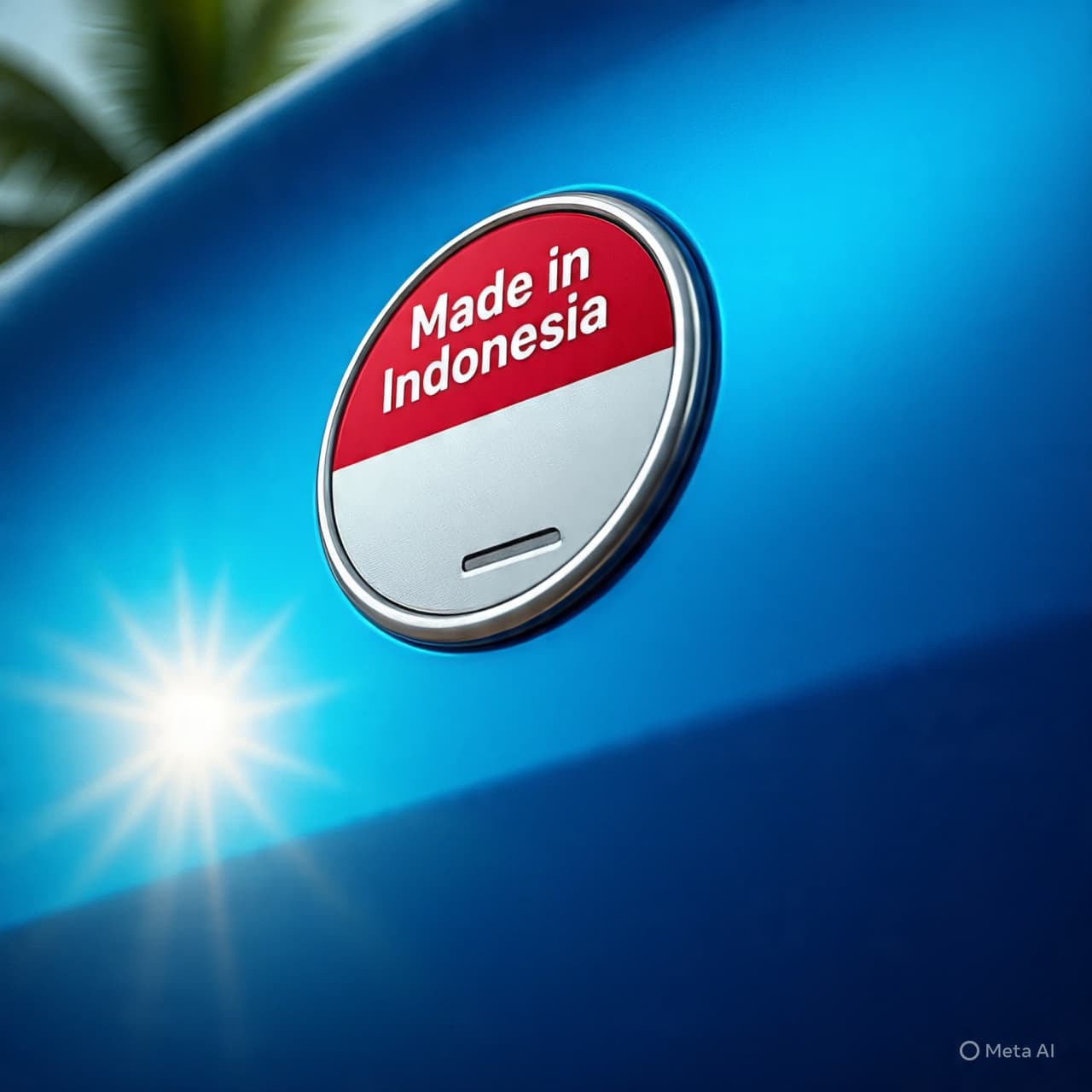
The Indonesian automotive landscape is undergoing a significant transformation as the country prepares for a pivotal shift in its electric vehicle (EV) production strategy by 2026. This transition marks a departure from reliance on imported vehicles to a robust local manufacturing framework, driven by the government's new regulations mandating a 1:1 production-to-import ratio. As the nation stands on the brink of this change, the implications for both the economy and the environment are profound.
At the heart of this shift is the growing recognition of Indonesia's vast nickel reserves, which are essential for battery production. The government's policy encourages global automotive giants, including BYD, VinFast, and Geely, to establish local assembly plants. This move not only aims to enhance the local economy but also positions Indonesia as a key player in the global EV market. The transition signifies a strategic pivot towards industrial independence, where the nation seeks to harness its natural resources to fuel its automotive ambitions.
In industrial hubs like Cikarang and Karawang, the focus is on localization and value addition. The narrative surrounding electric vehicles in Indonesia is not merely about consumer choice; it is about creating a sustainable ecosystem that integrates local component manufacturers and charging infrastructure providers. This approach reflects a broader understanding that the future of mobility is intertwined with the nation's economic health and environmental sustainability.
As the country gears up for the 2026 production mandate, the cultural significance of this shift cannot be overlooked. In a society where motorcycles and cars symbolize freedom and progress, the emergence of electric vehicles represents a new chapter in national pride. The government's commitment to a 'Total Mobility Reset' aims to improve urban air quality while fostering economic growth, creating a dual benefit for the populace.
The anticipated rollout of locally assembled electric vehicles is expected to democratize access to clean transportation. The goal is to ensure that EVs are not just a luxury for the affluent but a viable option for the broader population. This requires ongoing collaboration among manufacturers, regulators, and consumers, ensuring that the transition is both affordable and sustainable.
Looking ahead, the success of Indonesia's local production strategy will be measured by its ability to expand its EV offerings into international markets. The vision is for Indonesia to emerge as the 'battery of the world,' leveraging its strategic position in the global supply chain to lead the charge towards a zero-emission future. The 2026 production mandate is not just a regulatory requirement; it is a commitment to a cleaner, more sustainable future for Indonesia and beyond.
As of early 2026, the Indonesian government has shifted its focus from CBU (Completely Built-Up) import incentives to a mandatory local production scheme for electric vehicles. Nine global automotive brands have committed to establishing or expanding local assembly plants in the country to meet the 1:1 production-to-import ratio required by new regulations. This move, supported by $920 million in realized investment, aims to solidify Indonesia's position as a regional EV manufacturing hub, leveraging its dominant position in the global nickel supply chain to drive downstream industrial growth.
Published by Banx Network. This article is part of the Banx decentralized media programme, powered by the BXE token on the XRP Ledger.



