
Key Highlights
- Global population growth raises sustainability concerns.
- Agriculture, water, and energy resources face increasing demands.
- Technological innovation is key to addressing resource challenges.
The story of humanity has always been one of growth. Cities have expanded, technologies have advanced, and societies have become increasingly interconnected. Yet alongside these achievements, scientists continue to ask an important question: how can the world's resources support a growing global population while maintaining environmental balance? This question is becoming increasingly urgent as the global population is projected to reach nearly 10 billion by 2050.
Recent research has renewed discussions about the relationship between population growth, natural resources, and sustainability. A study from the United Nations suggests that increasing demands for food, water, energy, and land require careful long-term planning to ensure that ecosystems remain healthy and productive. Without such planning, the risk of resource depletion and environmental degradation could escalate, threatening both human and ecological health.
Agriculture represents one of the most visible examples of this challenge. Feeding billions of people requires extensive farming, irrigation, and transportation networks. Advances in agricultural technology have improved productivity, but resource management remains an important consideration for future food security. Innovations such as precision farming and genetically modified crops are being explored to enhance yield while minimizing environmental impact.
Fresh water availability is another major concern. Population growth and urban development increase demand for clean water, while changing climate patterns can influence rainfall and water supplies. Many regions are investing in conservation and improved infrastructure to address these needs. For instance, cities are adopting rainwater harvesting and wastewater recycling systems to ensure a sustainable water supply.
Energy consumption continues to rise alongside economic development. Governments and industries are exploring renewable energy sources and efficiency improvements to support growing populations while reducing environmental impacts. Solar, wind, and hydroelectric power are becoming more prevalent, and energy efficiency measures are being implemented in buildings and transportation to curb consumption.
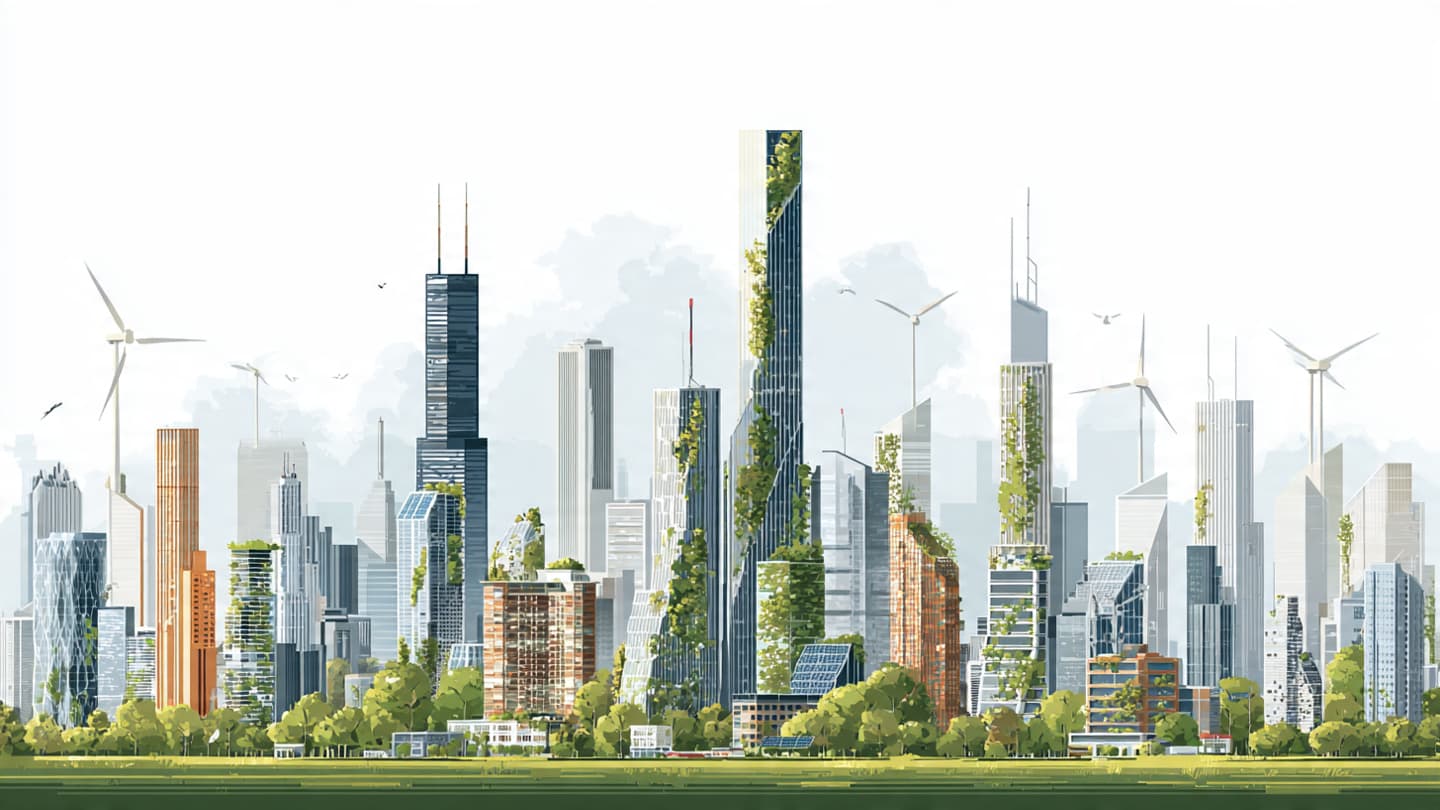
Urbanization also plays a significant role. More people are living in cities than ever before, creating opportunities for innovation while increasing the need for housing, transportation, healthcare, and public services. Sustainable urban planning has become an important policy objective in many countries, with initiatives aimed at creating green spaces, improving public transit, and reducing carbon footprints.
Researchers emphasize that population trends vary considerably between regions. Some countries are experiencing rapid growth, while others face aging populations and slower demographic expansion. These differences require tailored approaches rather than universal solutions. For example, countries with declining birth rates may focus on policies to encourage family growth, while those with high growth rates may need to prioritize resource management and infrastructure development.
Many experts believe technological innovation can help address resource challenges. Improvements in agriculture, water management, renewable energy, and waste reduction may increase efficiency and support sustainable development goals over the coming decades. Collaboration between governments, businesses, and communities will be essential to implement these solutions effectively.
The conversation surrounding global population is ultimately about balance rather than simple numbers. By combining scientific research, responsible resource management, and international cooperation, societies may find ways to support both human well-being and the natural systems upon which life depends. As we look toward tomorrow, the challenge remains: how much can our planet hold, and how can we ensure a sustainable future for all?
Published by Banx Network. This article is part of the Banx decentralized media programme, powered by the BXE token on the XRP Ledger.



