
Key Highlights
- New Government:The Netherlands has formed a minority government.
- Political Landscape:The current political environment is characterized by limited majorities.
- Public Response:Citizens express caution and curiosity about the new governance model.
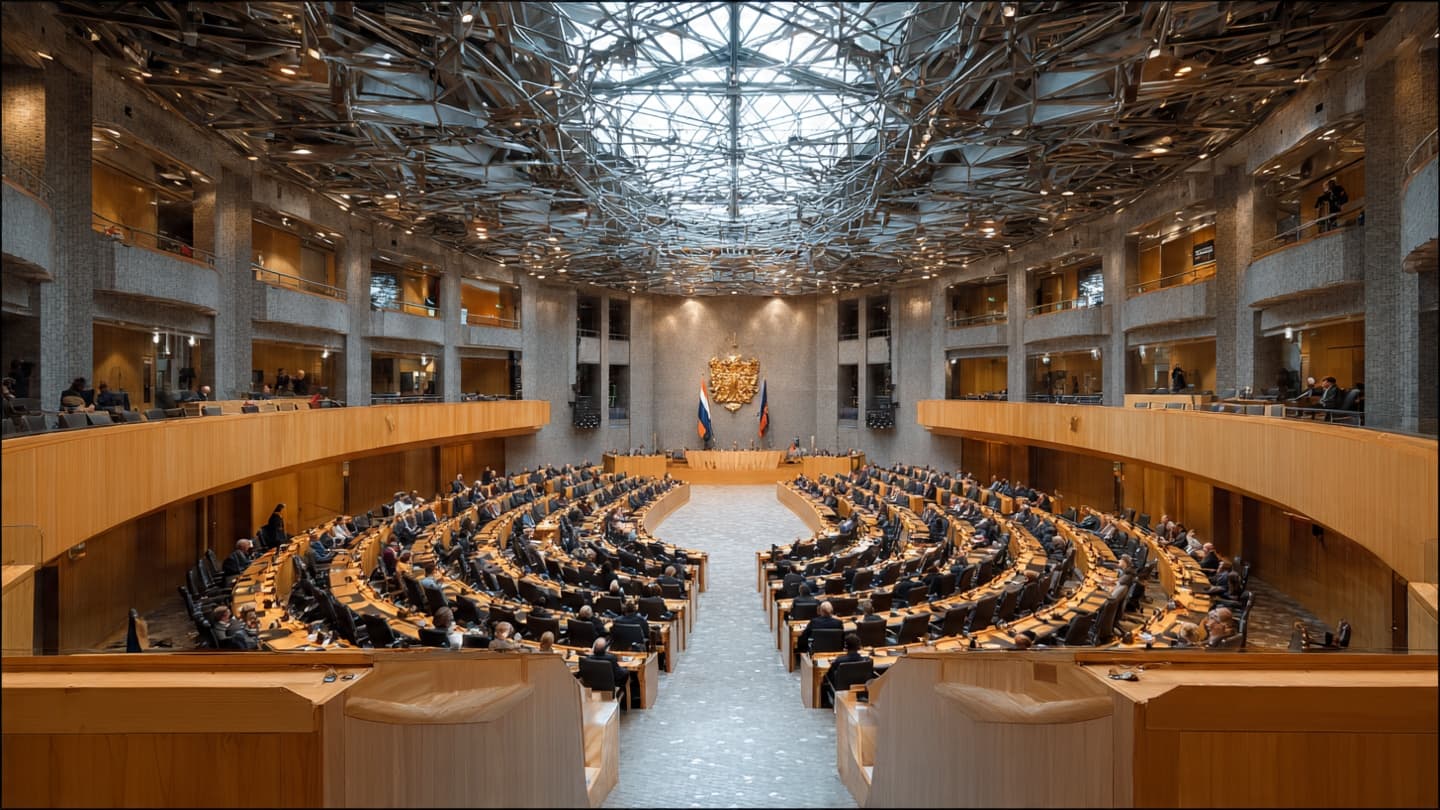
The Netherlands has recently embarked on a new chapter in its governance with the formation of a minority government, a move that underscores the complexities of contemporary political dynamics. This development comes after extensive negotiations among political leaders, reflecting a landscape where achieving consensus has become increasingly challenging. Unlike traditional broad coalitions, the current government relies on selective support from various parties, each with distinct priorities and constraints.
In this new parliamentary setup, every policy proposal is subject to meticulous negotiation. Legislation is not merely passed or rejected; it undergoes a process of adjustment and rebalancing to secure sufficient backing for advancement. While this approach may decelerate decision-making, it simultaneously fosters a culture of compromise, compelling lawmakers to engage in dialogue at nearly every juncture.
Proponents of minority governance argue that it enhances accountability, as no single political bloc can exert overwhelming control over the legislative process. However, critics caution against the inherent instability that such a system may introduce. Even minor shifts in parliamentary support can disrupt policy continuity and hinder long-term strategic planning, raising concerns about the government's ability to address pressing issues effectively.
Public sentiment regarding this new governance model has been measured, reflecting a blend of caution and curiosity. Many citizens are accustomed to coalition politics, yet the introduction of a minority government adds an additional layer of unpredictability. Key issues such as housing, infrastructure, and economic planning remain at the forefront of public discourse, with citizens eager to see how the government will navigate these challenges.
Political analysts emphasize that this new structure places a premium on negotiation skills and institutional adaptability. Governance is evolving into a continuous process of alignment, where dialogue is as crucial as the legislation itself. The ability to forge alliances and maintain open lines of communication will be essential for the government to function effectively in this environment.
Despite the challenges posed by this minority government, early signs indicate that the country's institutions are resilient. Parliamentary committees are continuing their work, and critical policy discussions are progressing, albeit with increased complexity and slower timelines. This adaptability suggests that the Netherlands is capable of managing its governance even under pressure.
As the nation adjusts to this new political configuration, the government operates in a realm defined not by certainty but by ongoing negotiation and adjustment. This situation encapsulates both the challenges and opportunities inherent in modern parliamentary democracy, as the Netherlands seeks to navigate its path forward amid uncertainty.
Published by Banx Network. This article is part of the Banx decentralized media programme, powered by the BXE token on the XRP Ledger.



