Full Article — Editorial-Rhetorical Style (Opening, Body, Closing) On a crisp horizon where desert sands meet global sea routes, the United Arab Emirates stands at a juncture that few economic narratives foresee: a moment when trade flows chart a course beyond oil’s long shadow. What was once a distant benchmark — a trillion dollars in non-oil foreign trade — now sits as a milestone in the country’s evolving story of diversification and global integration.
In 2025, the UAE achieved this leap for the first time in its history, with non-oil foreign trade reaching approximately AED 3.8 trillion (about $1.03 trillion). It marked a surge of roughly 26–27 percent compared with the previous year, driven by strong exports, growing imports, and re-exports that have expanded in tandem with new markets and international partnerships.
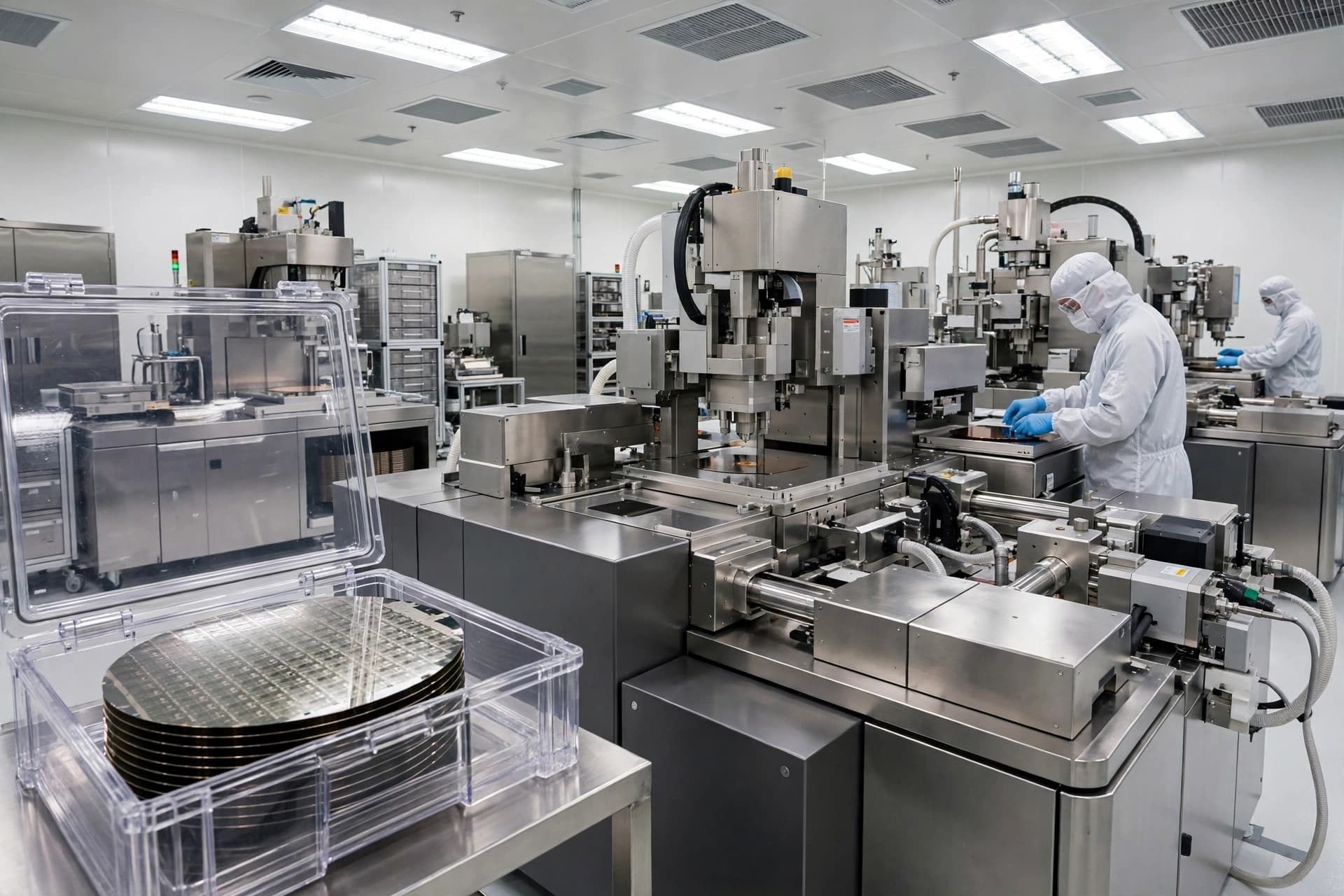
This achievement comes as the Gulf state pushes beyond traditional hydrocarbon revenues to deepen commerce in goods and services — from precious metals and aluminium to refined products, polymers, electronics, and luxury goods. Non-oil exports alone climbed to more than AED 813 billion, with a remarkable growth rate exceeding 45 percent, signaling robust global demand for UAE-linked products.
The momentum was particularly evident in the final quarter of 2025, when non-oil trade surpassed AED 1.1 trillion for the first time in any single quarter, reflecting both the breadth and depth of commercial engagement with diverse global partners. Agreements such as Comprehensive Economic Partnership Agreements (CEPAs), now active with more than a dozen countries, are credited with enhancing access to foreign markets and smoothing transactional pathways.
In celebrating the milestone, His Highness Sheikh Mohammed bin Rashid Al Maktoum — UAE Vice President, Prime Minister, and Ruler of Dubai — highlighted that the country is realizing long-term goals years ahead of schedule. Targets that once looked out to 2031 were deemed nearly complete by 2025, underscoring a rapidly maturing investment environment and increasing private-sector confidence.
For analysts and policymakers alike, this milestone reflects more than a numeric achievement: it is a testament to the UAE’s strategic pivot toward a diversified, outward-looking trade economy. By weaving together global supply chains and expanding commercial ties, the Emirates have positioned themselves not merely as an energy exporter, but as a resilient nodal point in global commerce.
As 2026 unfolds, the challenge will be to sustain momentum — nurturing trade expansion while adapting to shifting global demand patterns and geopolitical currents. Yet in the narrative of the UAE’s economic ascent, this trillion-dollar moment stands as both a chapter and a compass: a reminder that strategic foresight can reshape the contours of prosperity.
AI Image Disclaimer (Rotated Wording) “Visuals are created with AI tools and are not real photographs.”
Sources Coverage aggregated from The National, Gulf News, The Gulf Today, Sharjah 24, and related state and business reports.
Published by Banx Network. This article is part of the Banx decentralized media programme, powered by the BXE token on the XRP Ledger.