In the grand tapestry of European monarchy, few events carry the weight and solemnity of a state funeral. It is a moment where history, tradition, and personal loss converge, drawing together figures who represent centuries of continuity. The anticipated gathering of royals from across the globe for the funeral of King Harald V of Norway would be a testament to the enduring bonds of kinship and diplomatic respect. From the frosty courts of Scandinavia to the imperial halls of Japan, the presence of these dignitaries underscores the unique role monarchies play in modern international relations.
Queen Mary of Denmark, known for her grace and dedication to charitable causes, would likely be among the first to arrive. Her presence would symbolize the close ties between the Nordic kingdoms, which share not only geography but also cultural values. The Danish royal family has long maintained a warm relationship with their Norwegian counterparts, rooted in shared heritage and mutual support. Her attendance would be a gesture of solidarity and sorrow.
The Crown Prince of Japan, representing one of the world’s oldest continuous monarchies, would bring a distinct perspective to the proceedings. His participation highlights the global reach of royal diplomacy, bridging East and West. The Japanese imperial family often engages in subtle but significant diplomatic exchanges through such visits, reinforcing peaceful relations and cultural understanding. His presence would add a layer of international depth to the ceremony.
Other European royals, including those from the United Kingdom, the Netherlands, and Sweden, would also be expected to attend. These gatherings are rare opportunities for monarchs to connect personally, away from the formalities of state visits. They share a unique understanding of the duties and pressures of their roles, creating a supportive network that transcends political boundaries. The funeral serves as a poignant reminder of this shared experience.
The logistics of such an event are complex, involving strict protocols and security measures. Each delegation brings its own traditions and expectations, requiring careful coordination by the host nation. Norway, known for its understated elegance and respect for nature, would likely organize a ceremony that reflects King Harald’s personal values. The setting, possibly near the fjords or in the capital’s historic cathedral, would provide a serene backdrop for mourning.
Beyond the ceremonial aspects, the gathering offers a chance for informal diplomacy. Conversations held in quiet corridors can sometimes pave the way for future collaborations. While the primary purpose is to honor a life of service, the secondary effect is the reinforcement of international stability. The visibility of these leaders together sends a message of unity and continuity in a changing world.
As the world watches, the focus remains on the legacy of King Harald V. His reign has been marked by a commitment to modernization while preserving tradition. The outpouring of respect from fellow royals reflects his standing as a beloved figure both domestically and abroad. The funeral becomes not just an end, but a celebration of a life dedicated to service.
The assembly of global royals for King Harald V’s funeral highlights the enduring diplomatic and personal connections within international monarchies, honoring a legacy of service and stability.
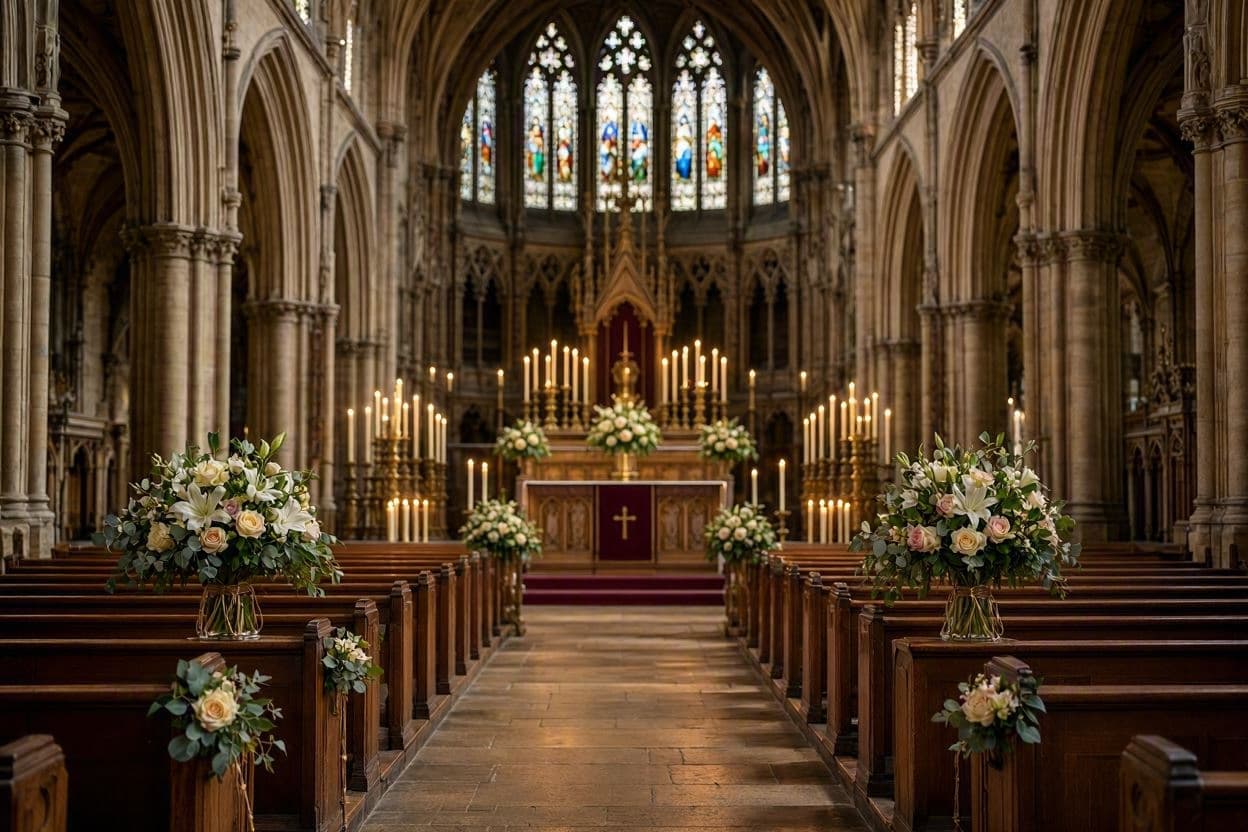
AI Image Disclaimer: The images used in this piece are digitally created visualizations meant to evoke the solemn atmosphere of royal ceremonies.
Sources: The Local Norway BBC News Royal Central Hello! Magazine
Published by Banx Network. This article is part of the Banx decentralized media programme, powered by the BXE token on the XRP Ledger.