Opening: History is often written in broad strokes, focusing on generals and presidents while the individual soldiers who fought for independence remain anonymous. But thanks to advances in genetic science, one such nameless hero has finally been identified. Using cutting-edge DNA technology, researchers have confirmed the identity of a Revolutionary War soldier whose remains were discovered decades ago. This breakthrough is more than a scientific achievement; it is a restoration of dignity to a man who gave his life for a nation that did not yet know his name. It is a poignant reminder that every thread in the fabric of history matters.
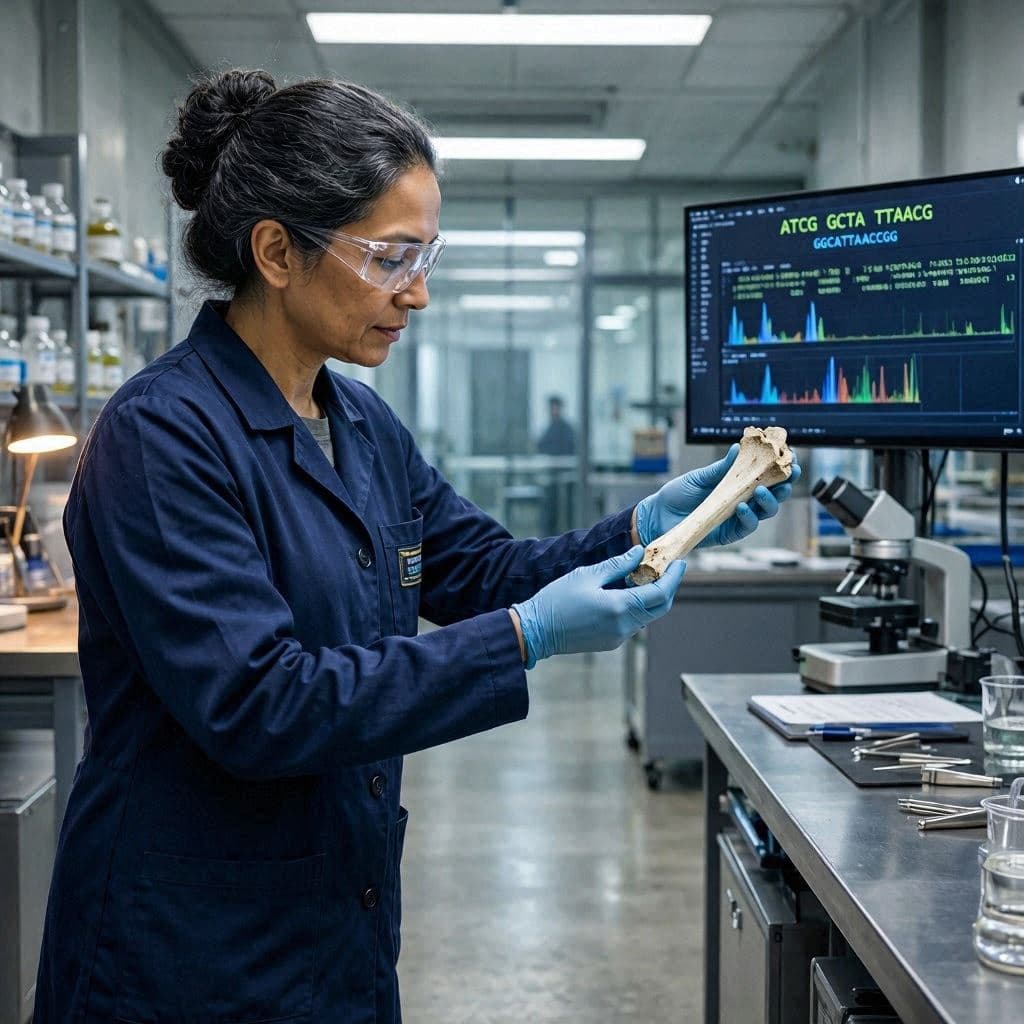
Body: The soldier’s remains were found in New York, a site of significant conflict during the war. For years, archaeologists and historians struggled to identify him, lacking sufficient records or distinctive artifacts. The breakthrough came with the application of advanced genomic sequencing, which allowed scientists to extract and analyze degraded DNA from the bones. By comparing this genetic material with databases of descendants, they were able to trace his lineage and confirm his identity with high certainty.
The identification process involved collaboration between geneticists, historians, and genealogists. Each discipline played a crucial role, piecing together clues from the past and present. The success of this effort highlights the power of interdisciplinary research in solving historical mysteries. It also demonstrates how modern technology can bridge the gap between centuries, bringing clarity to stories that time had obscured.
For the descendant family, the news was emotional and profound. Learning the name and fate of their ancestor provided a tangible connection to the founding era of the United States. It transformed a distant historical figure into a real person, with a life, a family, and a sacrifice. This personal dimension adds depth to our understanding of the war, reminding us that it was fought by individuals with hopes and fears much like our own.
Historians describe the discovery as "a gift to the whole country." It enriches the narrative of the Revolutionary War, adding a specific human story to the broader account of struggle and triumph. Such identifications help to humanize history, making it more relatable and engaging for future generations. They also honor the service of those who might otherwise be forgotten, ensuring their contributions are recognized.
The technology used in this case is becoming increasingly accessible, opening the door for more such discoveries. As methods improve, it is likely that other unknown soldiers will be identified, filling in gaps in the historical record. This progress offers hope that many more stories from the past can be recovered and told. It is a testament to the enduring curiosity and ingenuity of the human spirit.
However, the process is not without ethical considerations. Issues of consent, privacy, and the respectful treatment of remains must be carefully managed. Researchers adhere to strict guidelines to ensure that the work is conducted with sensitivity and integrity. Balancing scientific inquiry with moral responsibility is essential for maintaining public trust and honoring the deceased.
As the nation celebrates its 250th anniversary, this discovery serves as a fitting tribute. It connects the present to the past in a deeply personal way, reminding us of the sacrifices made for freedom. The identified soldier now takes his place in history, no longer anonymous but remembered and honored. His story is a small but significant part of the larger American epic.
Closing: Advanced DNA technology has successfully identified a Revolutionary War soldier, restoring his name and legacy. This achievement highlights the power of science to illuminate history and honor the sacrifices of the past. It is a meaningful contribution to the nation’s understanding of its founding era.
AI Image Disclaimer: The images associated with this article are AI-generated interpretations designed to visualize the intersection of science and history.
Sources: Smithsonian Magazine National Geographic The New York Times Live Science
Published by Banx Network. This article is part of the Banx decentralized media programme, powered by the BXE token on the XRP Ledger.