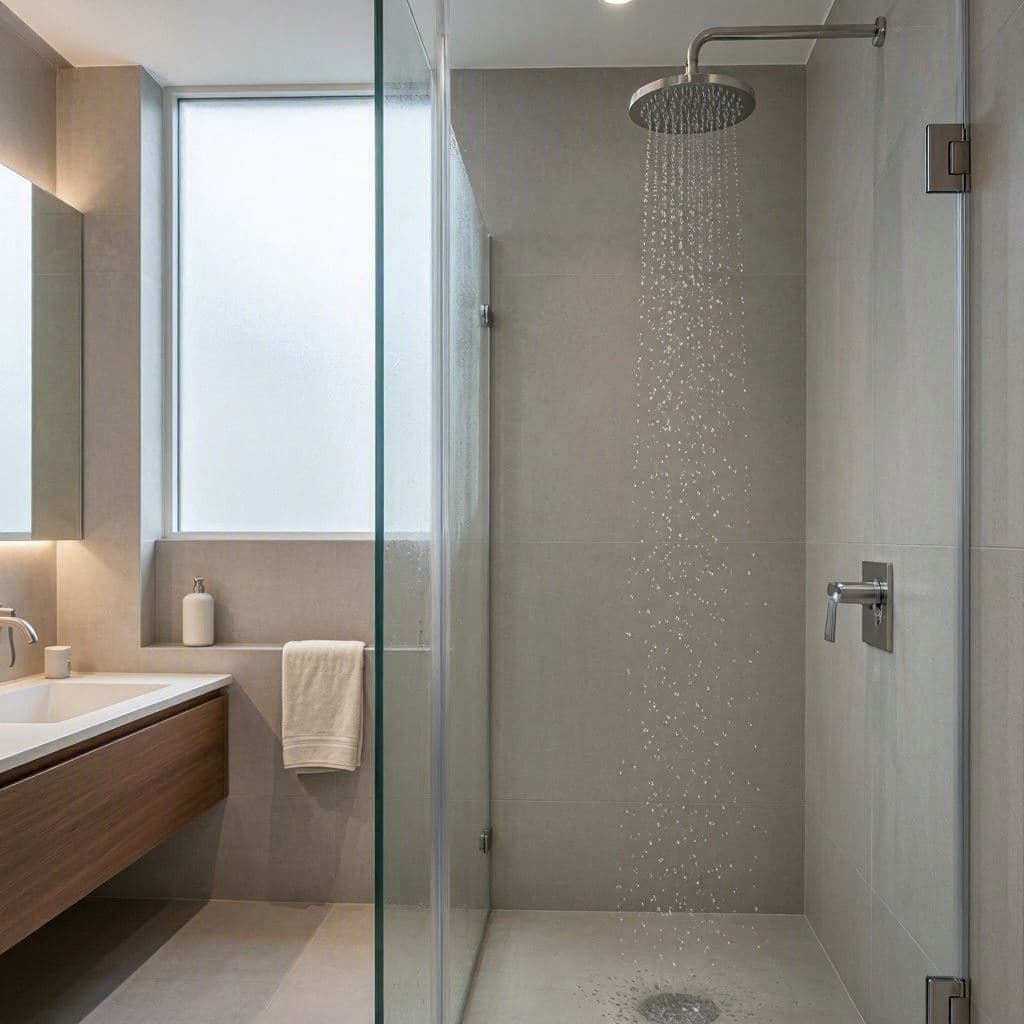
The shower is often a sanctuary, a private space where the day’s stresses are washed away in a cascade of warm water. It is a ritual of renewal, a moment of solitude that many cherish. Yet, beneath the comfort of this daily routine lies a question of balance: how much is too much? Recent discussions suggest that many Americans may be spending more time under the spray than is beneficial for their skin or the environment. This reflection invites us to reconsider our habits, not with judgment, but with an eye toward health and sustainability.
Dermatologists generally recommend limiting showers to five to ten minutes. Prolonged exposure to hot water can strip the skin of its natural oils, leading to dryness, irritation, and exacerbation of conditions like eczema. The heat that feels so soothing can actually compromise the skin’s barrier function, leaving it vulnerable to external irritants. By shortening the duration, individuals can maintain healthier skin while still enjoying the cleansing benefits of a shower.
Beyond personal health, there is an environmental dimension to consider. Water conservation is a growing concern in many parts of the United States, where droughts and resource management are critical issues. A typical showerhead uses about two gallons of water per minute. Extending a shower by just a few minutes can result in significant water waste over time. By being mindful of duration, individuals contribute to broader efforts to preserve this vital resource.
The habit of long showers is often driven by psychological factors. For many, the shower is a place for thinking, relaxing, or decompressing. The sound of running water and the warmth can be meditative, making it difficult to step out. Recognizing this emotional connection is important. Instead of abruptly cutting back, experts suggest finding alternative ways to relax, such as mindfulness exercises or brief breaks, to reduce reliance on long showers for stress relief.
Practical tips can help adjust this routine without sacrificing comfort. Using lukewarm water instead of hot can be gentler on the skin and reduce the urge to linger. Installing a timer or playing a short playlist can provide a gentle cue to finish. Additionally, using moisturizers immediately after drying off can help replenish lost oils, mitigating the effects of even a standard-length shower. These small changes can make a significant difference in overall skin health.
Cultural norms also play a role in shower habits. In some societies, quick, efficient washing is the norm, while in others, bathing is a leisurely activity. Understanding that there is no single "right" way, but rather a balance between hygiene, health, and conservation, allows for a more flexible approach. The goal is not to deprive oneself of pleasure, but to optimize the practice for well-being.
Education and awareness are key to shifting these behaviors. Public health campaigns and dermatological advice often emphasize the importance of moderation. By sharing this knowledge, communities can support each other in adopting healthier habits. It is a collective effort that benefits individual health and the planet alike. The conversation around shower duration is thus both personal and global.
As we reflect on our daily routines, it is worth considering the impact of our choices. A shorter shower is a small act, but one that aligns with principles of self-care and environmental stewardship. It is a step toward a more mindful lifestyle, where attention to detail enhances quality of life.
Reevaluating shower duration offers benefits for both skin health and water conservation. It encourages a mindful approach to daily rituals, balancing comfort with responsibility. Let this insight guide us toward healthier, more sustainable habits.
AI Image Disclaimer: Please be aware that images used in this context are AI-generated visualizations for illustrative purposes.
Sources: American Academy of Dermatology National Geographic Healthline
Published by Banx Network. This article is part of the Banx decentralized media programme, powered by the BXE token on the XRP Ledger.