The future is often described as something young people inherit. This time, it may arrive before they are ready for it.
Artificial intelligence is advancing with a speed that feels less like progress and more like weather—sudden, expansive, and difficult to redirect once it gathers force. The head of the International Monetary Fund has offered a sober warning: when this technological wave reshapes labor markets, it is the young who may feel its force most sharply.
For decades, entry-level jobs have served as the first rung on the economic ladder. They were imperfect, sometimes repetitive, often modestly paid—but they offered something essential: a beginning. Many of those roles are now the most exposed to automation. Tasks that once trained judgment and built experience are increasingly handled by systems that do not tire, negotiate salaries, or learn slowly.
The risk is not only displacement, but compression. When pathways narrow at the bottom, pressure builds everywhere else. Graduates compete longer for fewer openings. Transitions stretch. The distance between education and stability grows wider, turning early adulthood into a holding pattern rather than a launch.
This does not mean work disappears. It means work changes faster than institutions adjust. Education systems, designed for a slower era, struggle to anticipate skills that are still being invented. Employers seek adaptability but often reward experience. Governments promise reskilling, yet the scale of transformation makes such efforts feel provisional.
There is also a quieter cost. Work has never been only about income. It is structure, rhythm, identity. For young people, especially, it is how time begins to take shape. When those structures weaken, uncertainty seeps in—not as panic, but as drift.
The IMF’s warning is not a rejection of AI, but a reminder of asymmetry. Technology distributes gains unevenly unless guided. Those with capital, credentials, or leverage tend to adjust first. Those just arriving are asked to be flexible without yet having footing.
History suggests that societies eventually adapt. New roles emerge. Productivity rises. Living standards can improve. But the space between disruption and adjustment is where generations are marked. The concern is not whether young people will work again, but whether they will be allowed to begin.
As the AI era accelerates, the question becomes less about innovation and more about timing. Who absorbs the shock, and who is given room to grow afterward. For many young workers, that answer is still being written—while the wave is already moving.
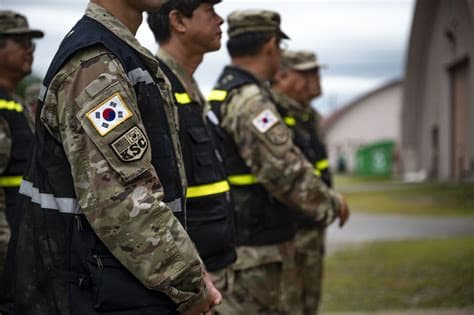
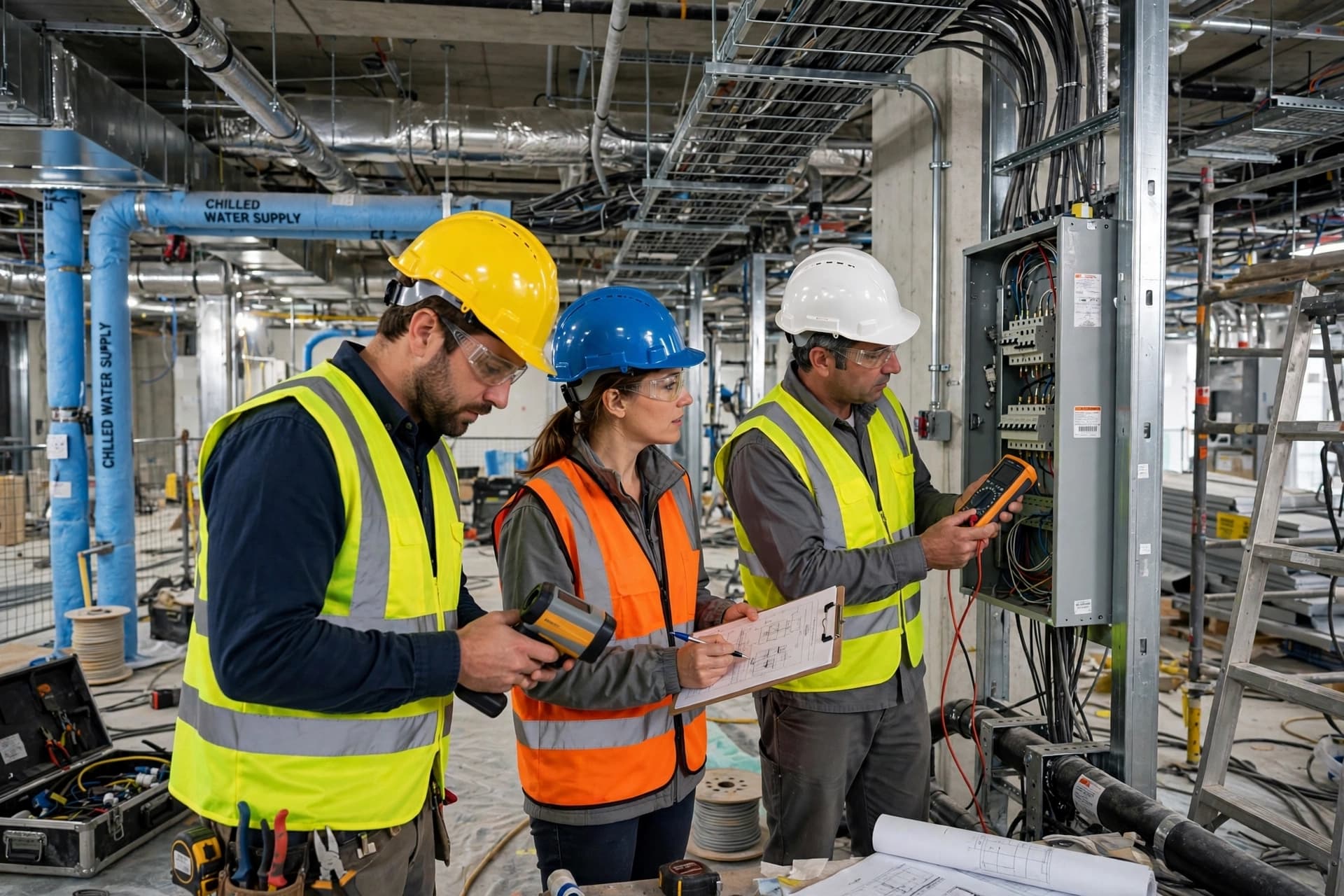
AI Image Disclaimer Illustrations were created using AI tools and are not real photographs.
Sources (names only) International Monetary Fund IMF leadership remarks Global labor market studies Economic policy briefings
Published by Banx Network. This article is part of the Banx decentralized media programme, powered by the BXE token on the XRP Ledger.