
Key Highlights
- Diplomatic Shift:President Trump announces a new framework regarding Greenland.
- Tariff Threats Averted:Initial plans for punitive tariffs on Europe are canceled.
- Arctic Cooperation:Discussions focus on shared security interests in the region.
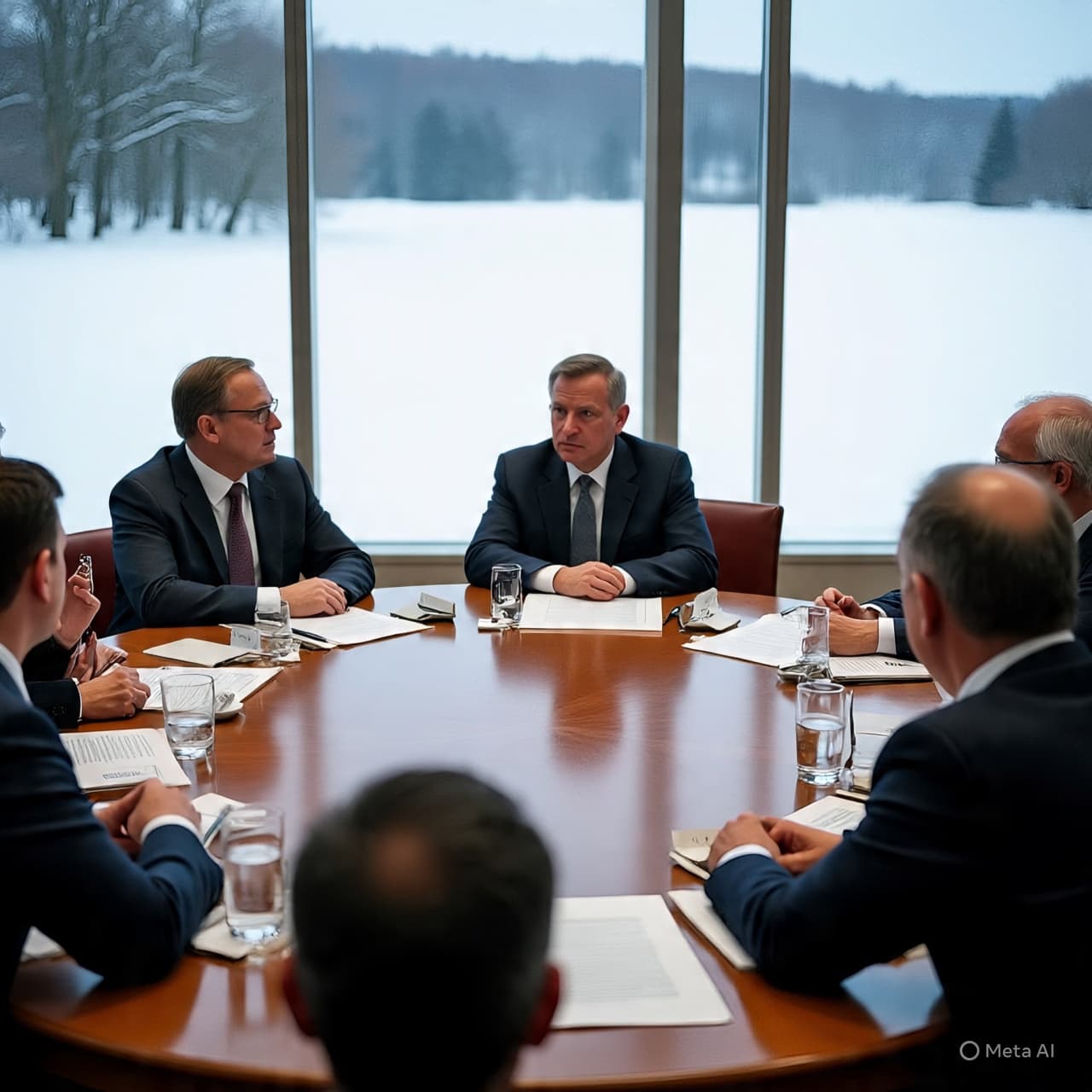
In a significant diplomatic development, President Donald Trump announced a new framework for cooperation regarding Greenland during the World Economic Forum in Davos. This announcement comes as a relief to European allies, who had been concerned about the potential imposition of tariffs that could disrupt transatlantic trade relations. The tariffs were initially set to take effect in February, reflecting Trump's desire for increased U.S. influence over the mineral-rich island, which is administered by Denmark.
The looming threat of tariffs had created tension among NATO allies, raising questions about sovereignty and the stability of international alliances. Trump's decision to step back from these punitive measures was framed as a result of discussions with NATO Secretary-General Mark Rutte, highlighting a shift towards dialogue rather than confrontation. In a statement on his social media platform, Trump emphasized the importance of this understanding, suggesting a more collaborative approach moving forward.
European capitals welcomed the announcement, viewing it as a cautious but necessary step to maintain stability in the region. Diplomats noted that the solidarity shown by European nations in support of Denmark's position on Greenland's sovereignty played a crucial role in influencing the U.S. president's decision. The idea that Greenland is not for sale has been reiterated by both its inhabitants and European leaders, emphasizing the need for any future arrangements to respect self-determination and legal norms.
While the details of the new framework remain unclear, the shift in tone has alleviated immediate market concerns that had arisen from the prospect of trade barriers. Analysts are now turning their attention to how shared security interests in the Arctic can be managed collectively, rather than through coercive tactics. This change in approach signals a potential thaw in relations, but questions remain about the long-term implications of this diplomatic pause.
As the world watches, the transatlantic partners have opted for dialogue over tariffs, easing what could have been a significant rupture in relations. The coming days will reveal whether this marks a genuine turn towards collaboration or merely a temporary calm before future storms in international diplomacy. The stakes are high, and the need for a cooperative approach in the Arctic is more pressing than ever as global interests converge in this strategically important region.
Published by Banx Network. This article is part of the Banx decentralized media programme, powered by the BXE token on the XRP Ledger.



