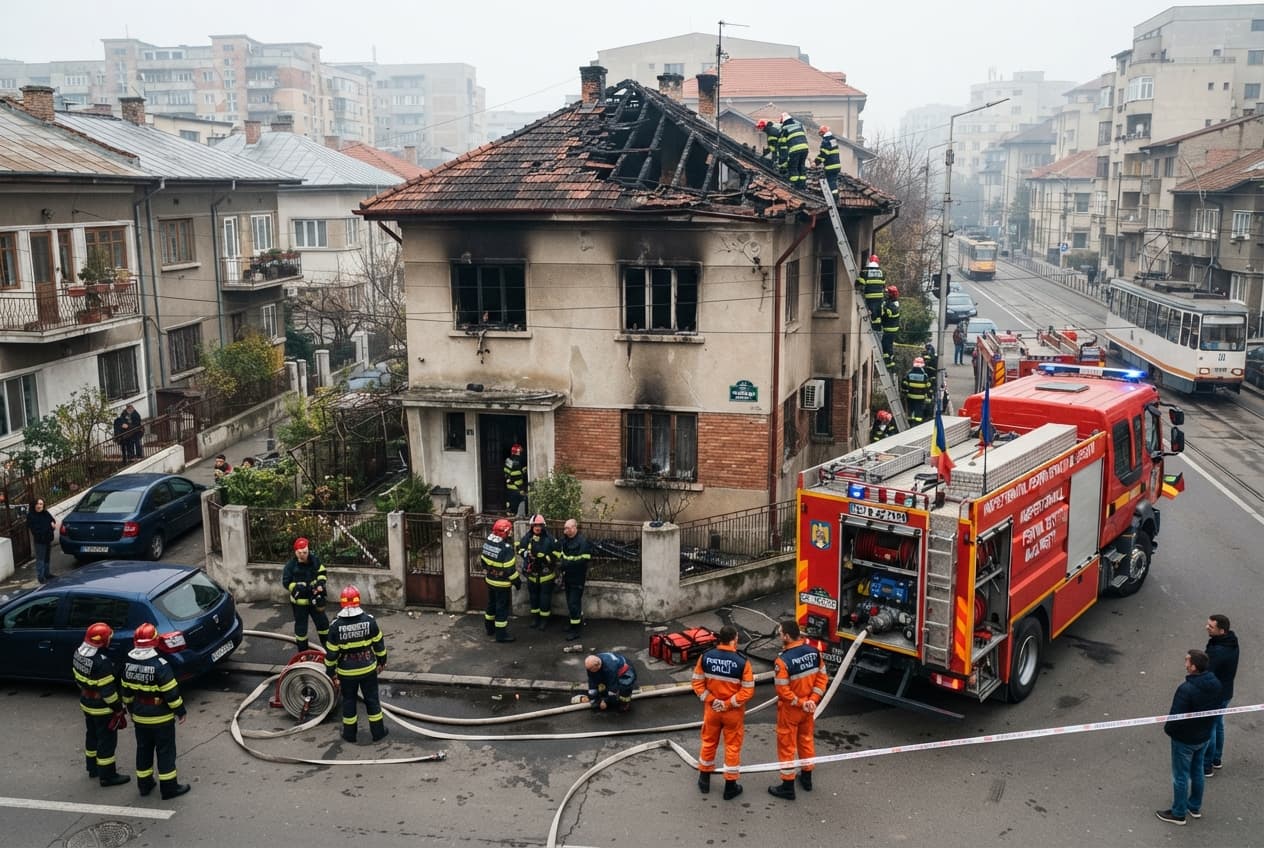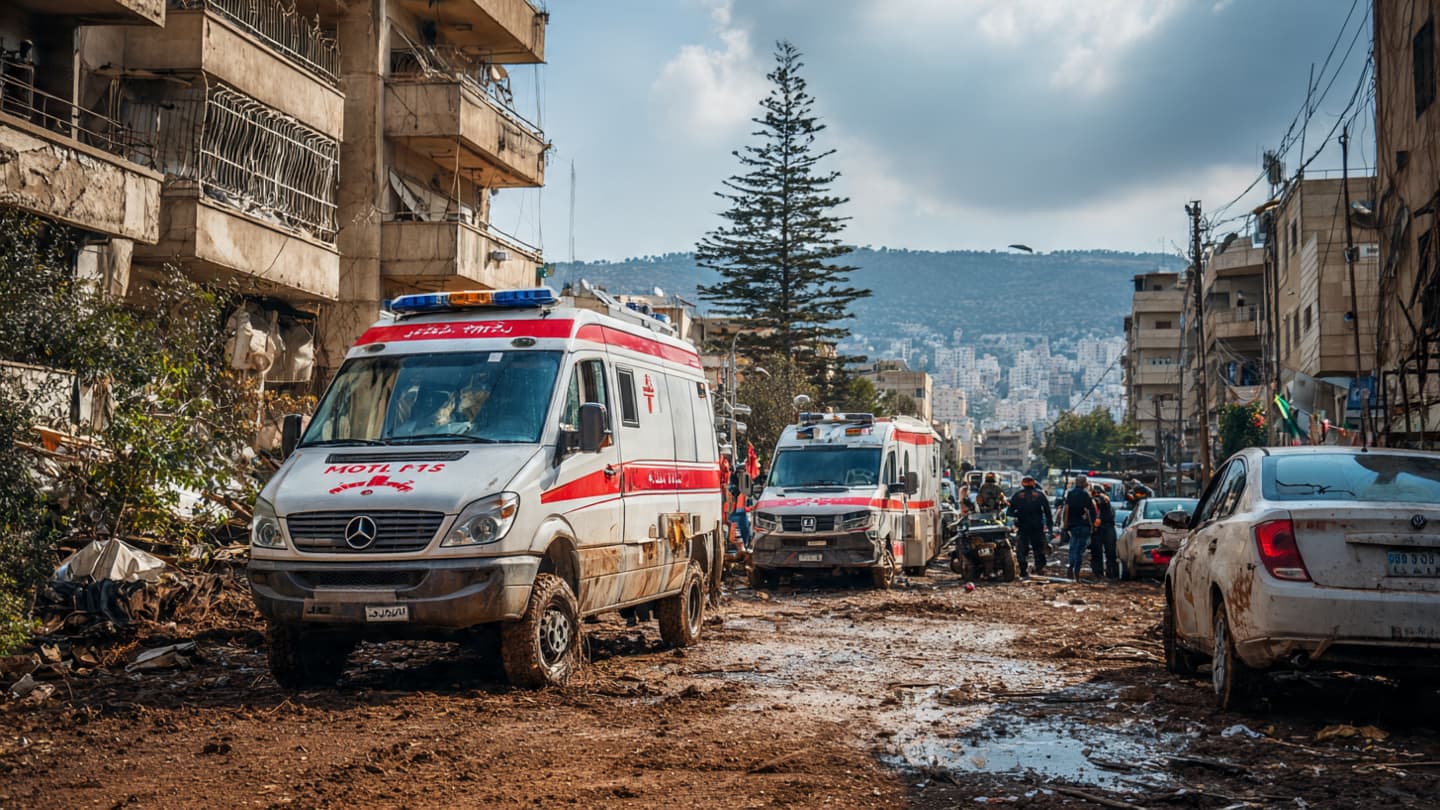
Truces in conflict zones often resemble thin glass resting beneath heavy weather — transparent, fragile, and vulnerable to sudden fracture. Along the borderlands between Israel and Lebanon, where tension has persisted for decades, renewed violence has once again unsettled hopes for stability after reports of Israeli strikes that killed medical personnel amid an already delicate ceasefire environment.
According to officials and regional media reports, Israeli airstrikes targeted areas in southern Lebanon as hostilities between Israel and armed groups near the border continued despite ongoing diplomatic efforts to prevent wider escalation. Lebanese authorities and humanitarian organizations stated that several medics were among those killed during the attacks.
Israel has maintained that its military operations are directed toward security threats linked to Hezbollah and related militant infrastructure operating near the border. Israeli officials have repeatedly argued that cross-border rocket fire and armed activity require military responses aimed at protecting communities in northern Israel.
The strikes occurred during a period many observers had described as a fragile truce rather than a fully stable ceasefire. Diplomatic channels involving regional governments and international mediators have attempted to limit escalation, though intermittent exchanges of fire have continued to raise fears of broader conflict.
Humanitarian groups expressed concern regarding the deaths of emergency medical workers, emphasizing the protected role of healthcare personnel under international humanitarian principles. Conflicts involving civilian infrastructure and aid workers often deepen international alarm because they complicate rescue efforts and civilian protection.
Southern Lebanon has experienced recurring instability since the start of the Gaza war, with border tensions increasingly drawing regional actors into a wider atmosphere of uncertainty. Villages near the frontier have faced displacement, damaged infrastructure, and growing economic disruption as residents navigate continuing insecurity.
Analysts note that the Israel-Lebanon frontier remains one of the Middle East’s most sensitive flashpoints. Even limited military incidents carry the potential to trigger larger confrontations involving regional alliances, armed groups, and international diplomatic interests.
For now, the latest strikes serve as another reminder that ceasefires in active conflict regions often remain precarious. Beneath official statements and military calculations are civilians, medics, and communities attempting to endure life between moments of uneasy calm and renewed violence.
AI Image Disclaimer: Some visuals associated with this article may include AI-generated imagery created for editorial conflict coverage.
Sources: Reuters, BBC, Al Jazeera, Associated Press, The Guardian
Published by Banx Network. This article is part of the Banx decentralized media programme, powered by the BXE token on the XRP Ledger.