

Key Highlights
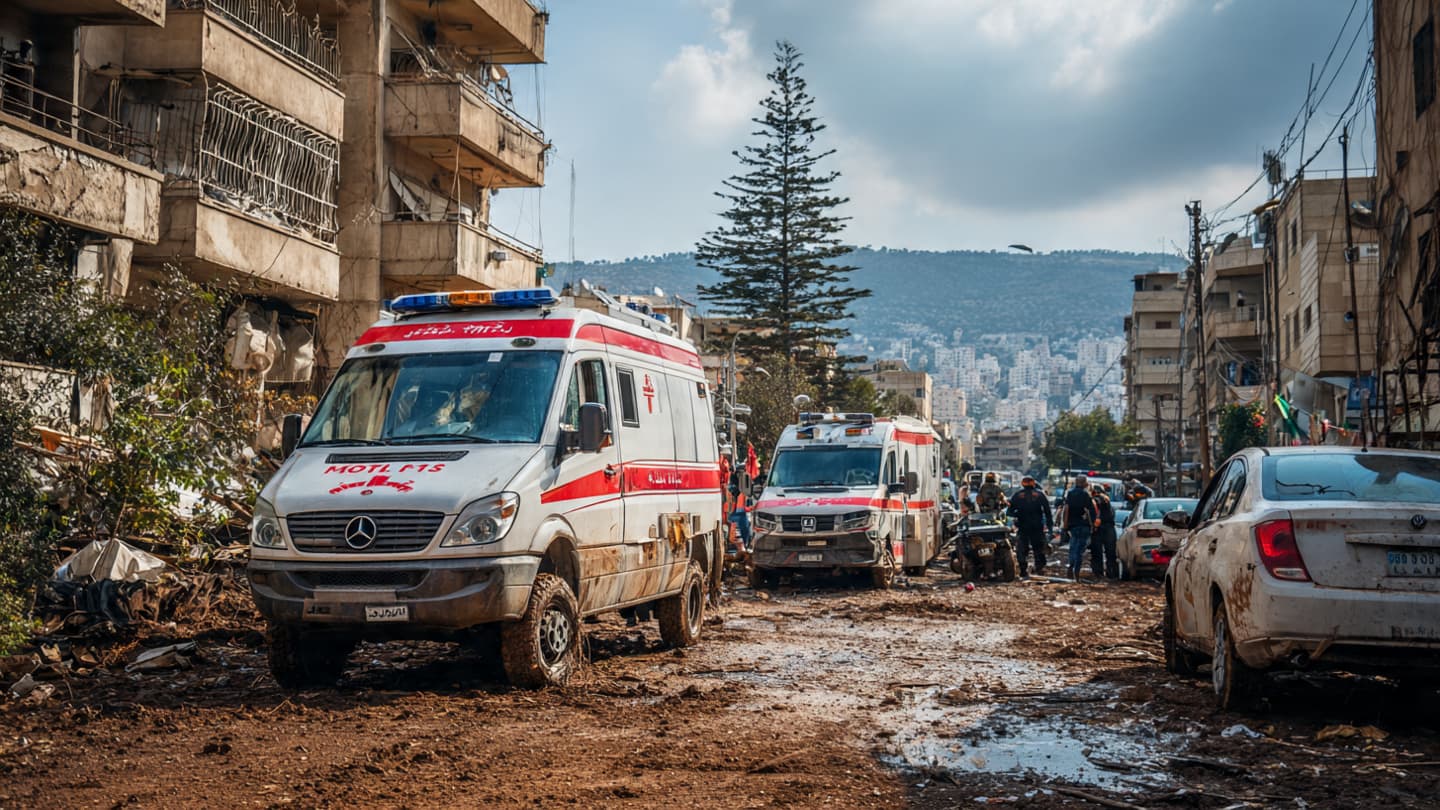
- Israeli airstrikes in southern Lebanon have reportedly killed medical personnel.
- The region is experiencing renewed violence amid a fragile ceasefire.
- Humanitarian groups express alarm over attacks on healthcare workers.
The situation along the Israel-Lebanon border has once again become precarious, as renewed violence threatens the fragile ceasefire that had been holding in the region. Recent Israeli airstrikes targeted areas in southern Lebanon, resulting in the deaths of several medical personnel, according to local authorities and humanitarian organizations. This escalation comes amid ongoing diplomatic efforts to stabilize the situation and prevent further conflict.
Israeli officials have stated that their military operations are aimed at addressing security threats posed by Hezbollah and other militant groups operating near the border. They argue that the need to respond to cross-border rocket fire and armed activities justifies their military actions. However, the strikes have raised significant concerns among humanitarian groups, particularly regarding the safety of emergency medical workers who are protected under international humanitarian law.
The airstrikes occurred during a time when many observers had described the situation as a fragile truce rather than a stable ceasefire. Despite diplomatic channels involving regional governments and international mediators, intermittent exchanges of fire have continued to raise fears of a broader conflict. The recent violence underscores the volatility of the region, where even minor military incidents can escalate into larger confrontations involving various regional actors and alliances.
Humanitarian organizations have expressed alarm over the impact of these strikes on civilian infrastructure and aid workers. The deaths of emergency medical personnel complicate rescue efforts and heighten the risks faced by civilians caught in the crossfire. The ongoing conflict has already led to significant displacement and economic disruption in southern Lebanon, where residents are grappling with the consequences of instability since the onset of the Gaza war.
Analysts emphasize that the Israel-Lebanon border remains one of the most sensitive flashpoints in the Middle East. The potential for escalation is always present, as military actions can trigger responses from various armed groups and regional powers. The delicate balance of power in the area means that any significant military incident could have far-reaching implications for regional stability.
As the situation develops, the latest Israeli strikes serve as a stark reminder of the fragility of ceasefires in active conflict zones. Beneath the surface of official statements and military strategies lie the lives of civilians, medical workers, and communities striving to survive amid the uncertainty of ongoing violence and the hope for lasting peace.
Published by Banx Network. This article is part of the Banx decentralized media programme, powered by the BXE token on the XRP Ledger.




