
Key Highlights
- Ceasefire Extension:Israel and Lebanon have agreed to extend their ceasefire for an additional 45 days.
- Diplomatic Opportunity:The extension aims to foster further diplomatic engagement and stability in the region.
- Humanitarian Impact:Humanitarian organizations welcome the ceasefire, noting improved access to affected populations.
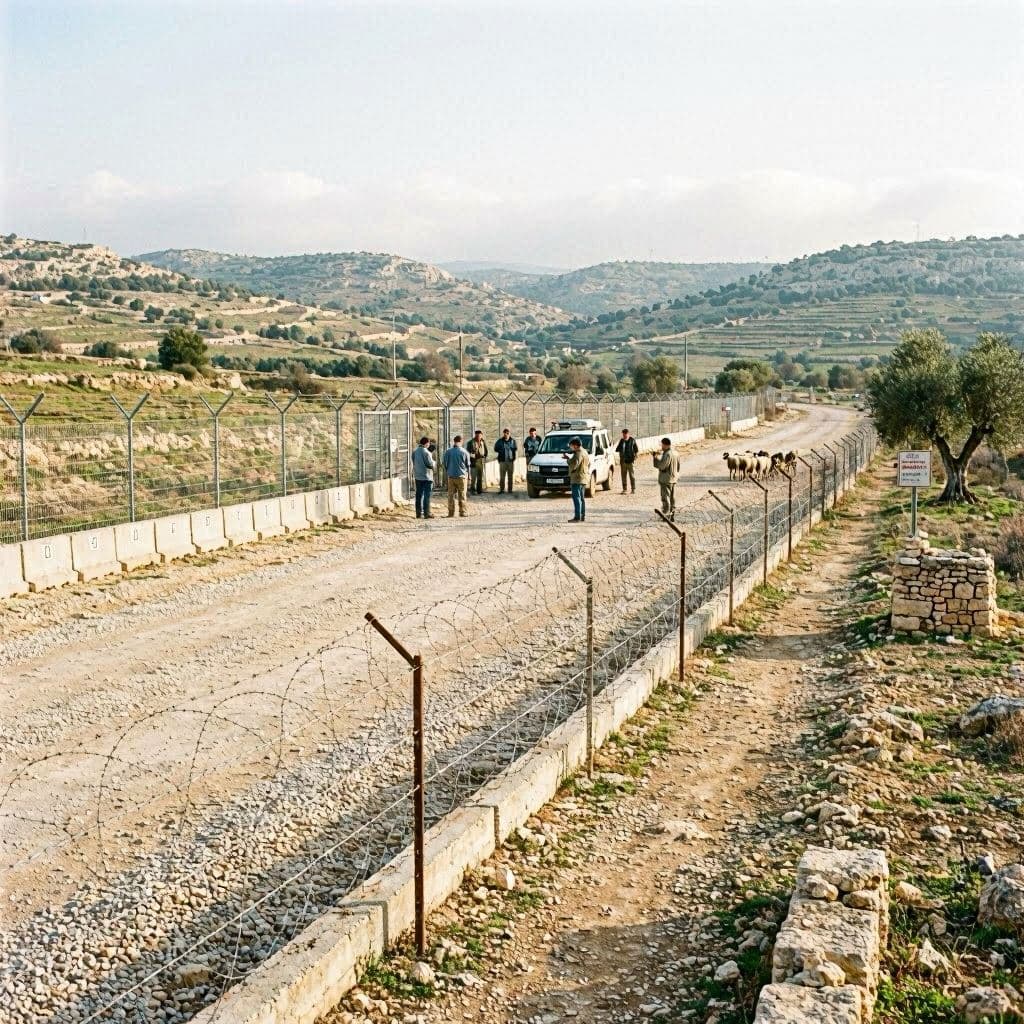
The fragile peace in conflict-affected regions often arrives not as a sudden sunrise but as a cautious dawn, closely monitored by international observers. The recent agreement between Israel and Lebanon to extend their ceasefire for an additional 45 days has provided a renewed opportunity for diplomacy, offering communities near the border a temporary reprieve from violence. This extension, announced with the backing of international mediators, including the United States, aims to preserve stability along one of the Middle East's most sensitive frontiers.
The ceasefire extension is a strategic move to reduce immediate security risks while keeping diplomatic channels open. Officials from both sides express hope that this additional time will create conditions conducive to further negotiations. Cross-border tensions have historically raised fears of broader regional escalation, with episodes of violence in recent years displacing civilians, damaging infrastructure, and exacerbating humanitarian concerns.
Residents living near the border have faced prolonged uncertainty, with many communities experiencing disruptions to daily life. School closures, evacuations, and economic hardship have become commonplace due to the instability. The extension of the ceasefire is seen as a crucial step in alleviating some of these pressures, allowing families to breathe a little easier.
Humanitarian organizations have welcomed the ceasefire extension, emphasizing that even temporary reductions in violence can significantly improve access to affected populations. This access is vital for supporting recovery efforts in vulnerable areas, where the impact of conflict has been particularly severe. Aid agencies are hopeful that the ceasefire will facilitate the delivery of essential services and support to those in need.
However, regional analysts caution that ceasefires, while important, represent only one component of broader peace-building efforts. Long-term stability will likely depend on sustained political dialogue and confidence-building measures among relevant parties. The international community continues to encourage both sides to respect the agreed arrangements and avoid actions that could reignite hostilities.
For now, the additional 45 days provide valuable time for diplomacy to continue. International observers will closely monitor developments, hoping that this extended pause may help reduce tensions and preserve regional stability. The situation remains fluid, and the hope is that this fragile silence can lead to a more lasting peace in the region.
Published by Banx Network. This article is part of the Banx decentralized media programme, powered by the BXE token on the XRP Ledger.



