The world often finds itself teetering on the edge of uncertainty, where the line between diplomacy and conflict becomes as fragile as a spider’s thread. In the shadow of recent bombings, the words "open war" have echoed through the halls of power in Pakistan, signaling a new chapter in its fraught relationship with Afghanistan. The violence, stark and devastating, has left deep scars on both nations—scars that may take generations to heal. But what does it truly mean when a nation declares war on its neighbor in such an unambiguous way? Is it a moment of finality, where all hope for reconciliation is lost? Or is it, perhaps, the beginning of a deeper struggle, one that will challenge not just the borders on a map, but the very foundation of regional peace?
As tensions escalate, the narrative of "war" is not simply the sum of military engagements or political posturing. It is a reflection of human suffering, of families torn apart, and of countries caught in an endless cycle of retribution. And yet, as the drums of war beat louder, one wonders—what other solutions might have remained, if not for the sharpened edges of history and mistrust? The question, it seems, is not whether war is inevitable, but whether it is the only path left.
When the announcement came from Pakistan’s defense ministry, the term “open war” seemed to shatter the silence of the region. The air, thick with the acrid scent of bombings that rocked major Afghan cities, hung heavy with tension. For years, both Pakistan and Afghanistan have shared a volatile history—one marked by skirmishes, border disputes, and accusations of harboring militants—but this latest escalation feels like a seismic shift in the region’s fragile geopolitical landscape.
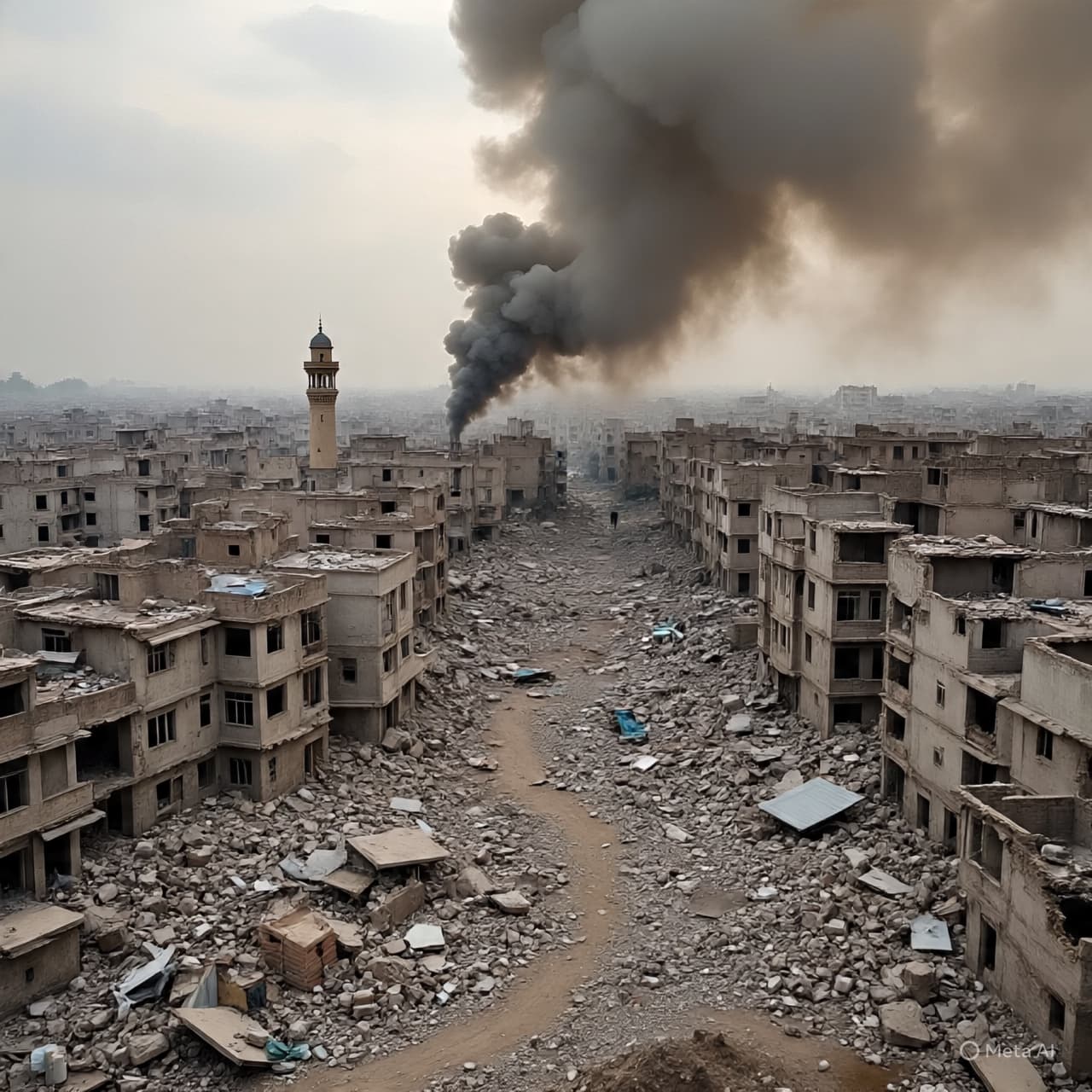
In the aftermath of the bombings, Afghanistan's capital Kabul and several key cities lay in ruins. Buildings that once stood as symbols of strength now lie in rubble, their skeletal remains serving as grim reminders of the consequences of unchecked conflict. The casualties are staggering, and the humanitarian toll is mounting with each passing day. For Pakistan, the bombings were framed as a direct response to what they perceived as an existential threat—an attempt to rid the border region of insurgents that have long been a source of instability. Yet, this act has propelled the two nations into a spiral of violence that no one seems able to halt.
For Afghanistan, the bombings are viewed as an unprovoked attack, one that defies the fragile peace efforts of recent years. Afghan leaders have condemned the assault, calling it an affront to their sovereignty and an affront to the possibility of any future cooperation between the two nations. As they search for answers and accountability, their people are left to pick up the pieces in a land already broken by years of conflict.
The situation grows murkier when considering the larger regional and global dynamics at play. Both countries are influenced by powerful neighbors, each with their own interests and agendas. Pakistan, with its long-standing ties to China and the United States, faces mounting pressure to maintain its strategic alliances while managing domestic security concerns. Afghanistan, still reeling from the chaotic withdrawal of U.S. forces and the rise of the Taliban, finds itself increasingly isolated. It is in this complex web of alliances, fears, and historical grievances that the spark of war was ignited.
In these troubled times, there is a fleeting hope that dialogue may yet prevail. Calls for diplomacy remain, though they seem almost drowned out by the echoes of bombs and the rhetoric of leaders determined to protect their nations. As the situation unfolds, one must ask: Can the region find a way to de-escalate, or is the cycle of violence destined to continue, perpetuating an endless state of conflict?
While both nations brace for further military action, the question lingers: what is the true cost of this declaration? Pakistan’s move to declare an "open war" has placed the region at a precipice, and the world watches, uncertain of the next steps. The borders between Pakistan and Afghanistan have always been porous, filled with history and conflict—but the bombings that have left their marks on Afghan cities have made the line between war and peace all the more indistinct. In this time of uncertainty, it remains to be seen whether the damage can be undone or if this war will only deepen the rift between two countries already struggling to rebuild. The international community now faces a crucial task—whether they can help guide the nations toward reconciliation or if the cycle of violence will continue to shape the region's future.
AI Image Disclaimer: “Images in this article are AI-generated illustrations, meant for concept only.” “Visuals are created with AI tools and are not real photographs.” “Illustrations were produced with AI and serve as conceptual depictions.” “Graphics are AI-generated and intended for representation, not reality.” Sources: The New York Times BBC News Al Jazeera Reuters The Guardian
Published by Banx Network. This article is part of the Banx decentralized media programme, powered by the BXE token on the XRP Ledger.