Borders often represent more than lines on a map. They reflect histories, memories, and complex relationships shaped over generations. Along the frontier between Israel and Lebanon, recent military developments have once again drawn international attention to one of the Middle East’s most sensitive regions.
Israeli airstrikes targeting locations in southern Lebanon were reported following ongoing security concerns involving armed groups operating near the border. According to multiple international news organizations, the attacks resulted in casualties and renewed concerns about regional stability.
The border area has experienced repeated periods of tension over many years. While extended intervals of relative calm have occurred, incidents involving cross-border attacks and military responses have periodically disrupted efforts to maintain stability. The latest events have revived fears of a wider confrontation.
For residents living near the frontier, security concerns are not abstract policy discussions but part of daily reality. Communities on both sides of the border often face uncertainty whenever military activity increases. Schools, businesses, and public services can all be affected by escalating tensions.
Regional governments and international organizations have called for restraint. Diplomatic efforts are focused on preventing the situation from expanding beyond localized incidents. Several governments have emphasized the importance of maintaining communication channels to avoid miscalculations.
Humanitarian concerns have also emerged. Aid organizations continue monitoring conditions in affected areas, particularly where civilian populations may face displacement or disruption. Protecting non-combatants remains a central concern during periods of heightened conflict.
The broader geopolitical context adds additional complexity. Southern Lebanon occupies an important position within a network of regional political and security relationships. As a result, developments in the area often attract attention far beyond the immediate border region.
International observers continue assessing whether the current tensions will remain limited or evolve into a larger security challenge. While military actions can alter conditions quickly, diplomatic engagement remains an important tool for reducing risks.
As events continue to unfold, governments across the region are closely monitoring the situation. The coming days may prove significant in determining whether tensions ease through diplomacy or continue to shape regional security discussions.
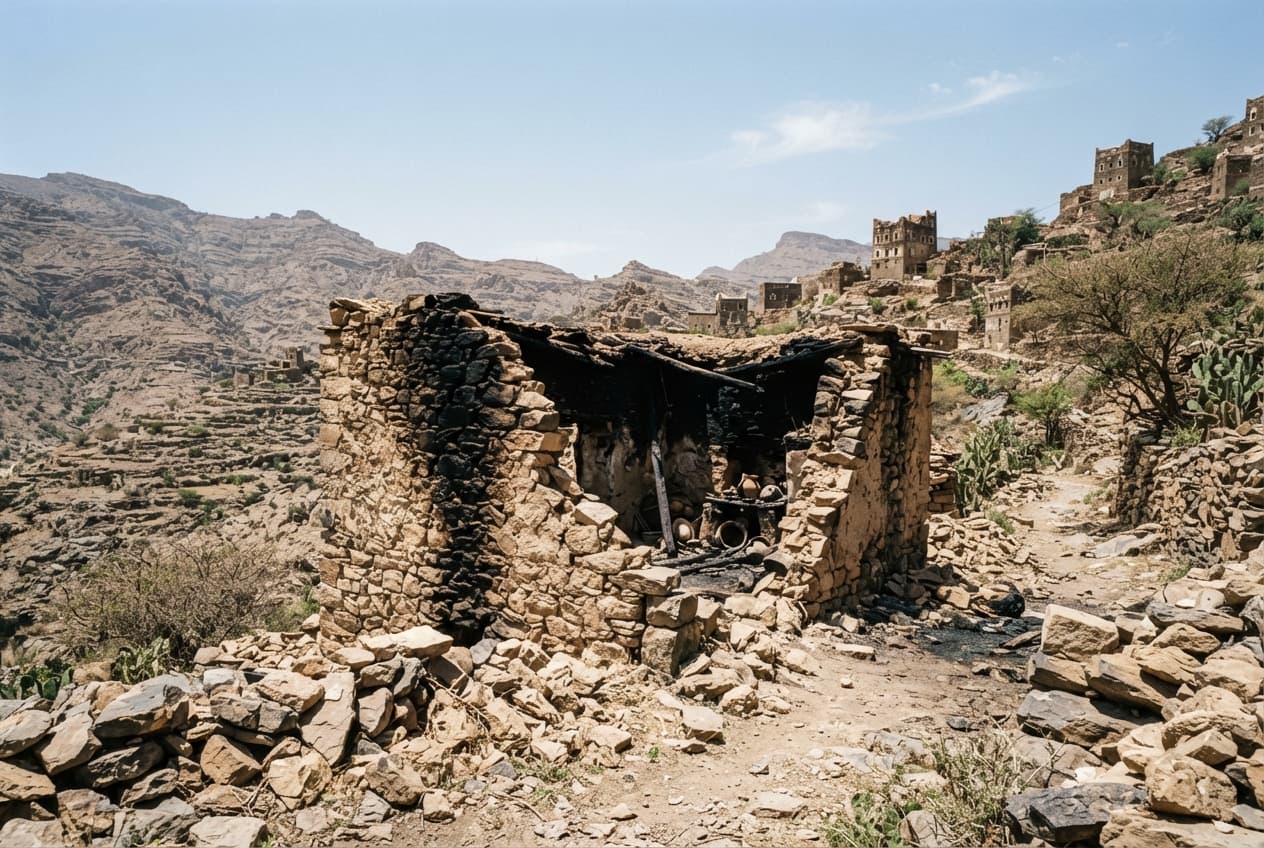
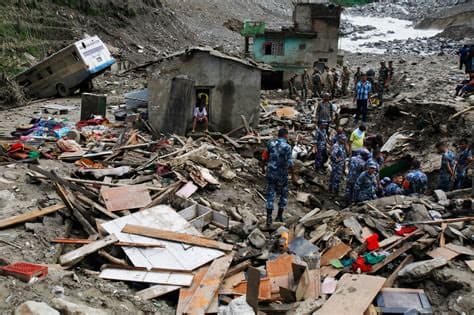
AI Image Disclaimer: This article includes an AI-generated illustration created to depict the general setting and atmosphere described in news reporting.
Sources Verified Reuters, Associated Press, BBC News, The Guardian, France 24
Published by Banx Network. This article is part of the Banx decentralized media programme, powered by the BXE token on the XRP Ledger.