The Moon has long been a quiet witness to humanity’s journey beyond Earth, carrying the memories of exploration, discovery, and ambition. Now, a piece of human technology that completed its original mission is preparing to make an unexpected arrival on the lunar surface. The event is not a threat to life or active spacecraft, but it offers a moment of reflection about how humanity manages its growing presence in space.
The object in question is a spent upper stage from a SpaceX Falcon 9 rocket. According to independent orbital tracking analysis, the rocket stage is expected to collide with the Moon in August 2026 after traveling through space without the ability to return safely to Earth or enter a stable solar orbit.
The rocket stage was launched in January 2025 as part of a mission that carried commercial lunar landers toward the Moon. After completing its role, the remaining hardware continued along a complex path influenced by the gravitational forces of Earth, the Moon, and the Sun.
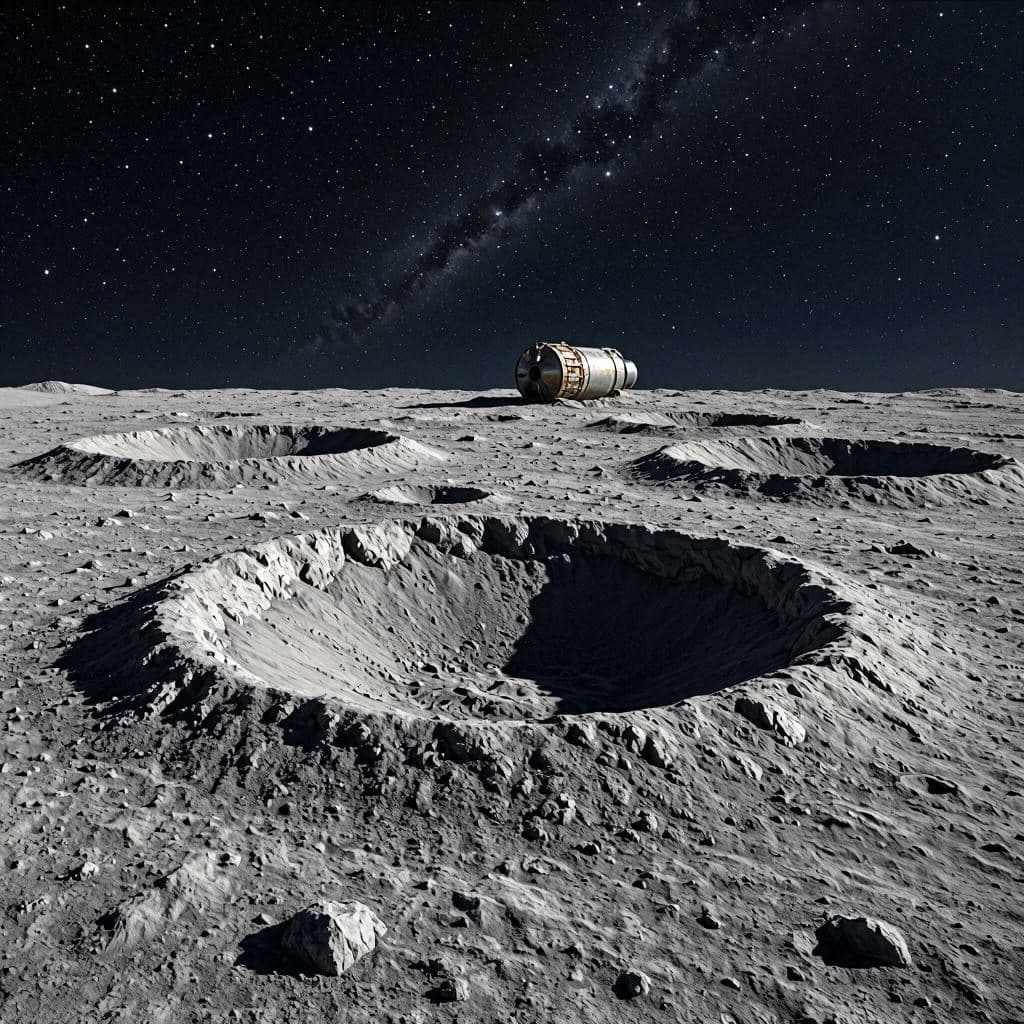
Scientists tracking the object estimate that it will strike near the Einstein crater region, located close to the boundary between the Moon’s near side and far side. The impact is expected to occur at high speed, creating a small new crater and sending material from the lunar surface outward.
Unlike an asteroid impact, this event comes from a creation of human hands. The rocket stage represents both the achievements and challenges of modern space activity. As more nations and private companies send missions beyond Earth, questions about responsible spacecraft disposal are becoming increasingly important.
Researchers note that the impact itself is not expected to endanger the Moon, existing lunar missions, or Earth. Instead, it may provide scientists with a rare opportunity to study how artificial objects interact with the lunar surface and how future exploration efforts can better prepare for managing space hardware.
The incident also arrives during a period of renewed lunar exploration, as governments and companies plan future missions involving science, communications, and possible long-term human activity. The Moon is becoming a busier destination, and each mission adds another chapter to humanity’s relationship with its closest celestial neighbor.
For decades, space exploration has been guided by the desire to reach farther horizons. Yet this approaching lunar impact serves as a gentle reminder that exploration also carries responsibilities. The paths we create beyond Earth remain part of the environment we must learn to understand and protect.
The expected collision of the abandoned SpaceX rocket stage with the Moon will be a brief event in cosmic time, but it represents a broader conversation about the future of space operations. As humanity moves deeper into space, careful planning and responsible management will become essential parts of the journey.
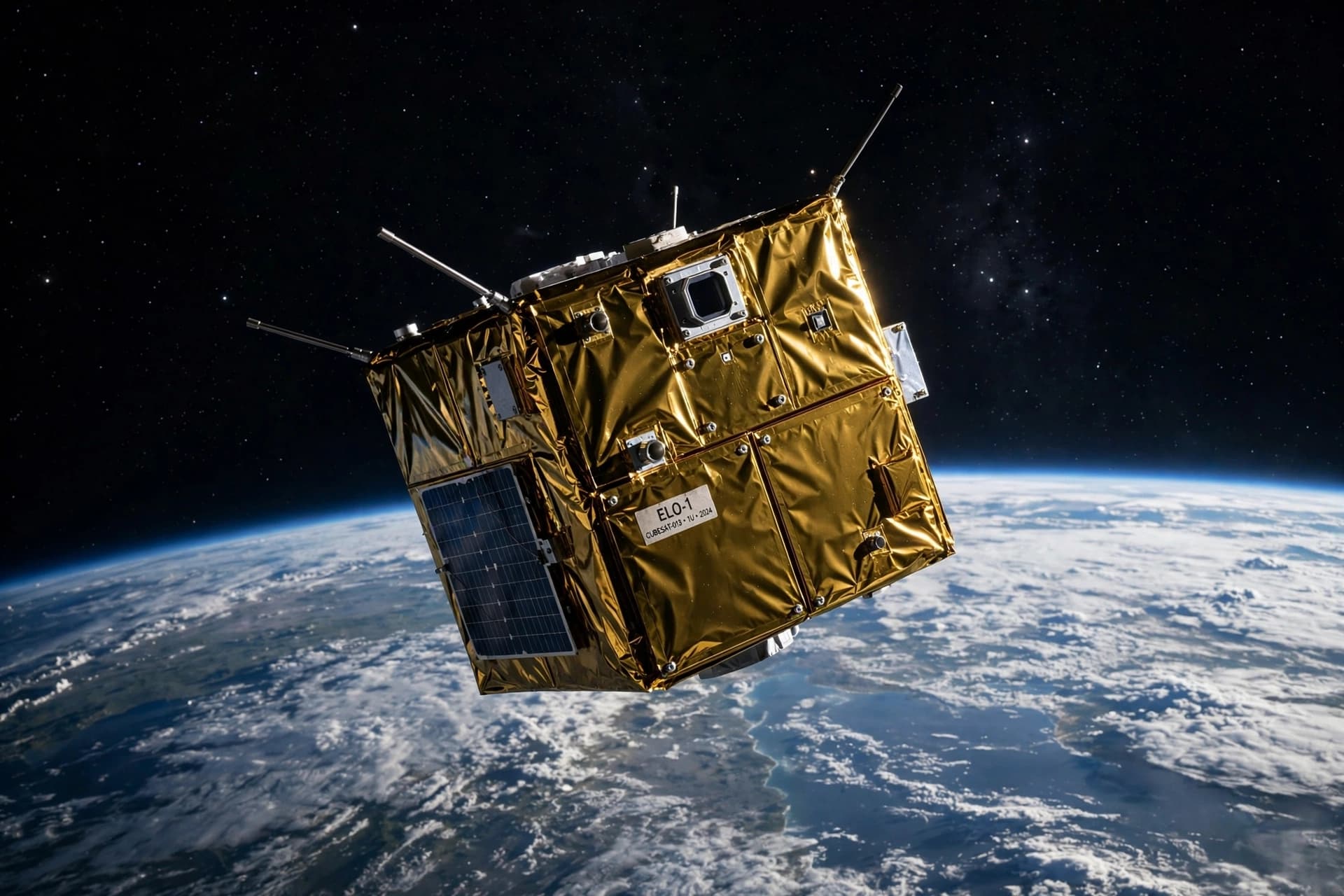
AI Image Disclaimer: The accompanying images are AI-generated visual interpretations created to illustrate the lunar impact scenario and space environment. They are not real photographs of the event.
Sources:
Space.com ScienceAlert Live Science Vice Quartz
Published by Banx Network. This article is part of the Banx decentralized media programme, powered by the BXE token on the XRP Ledger.