

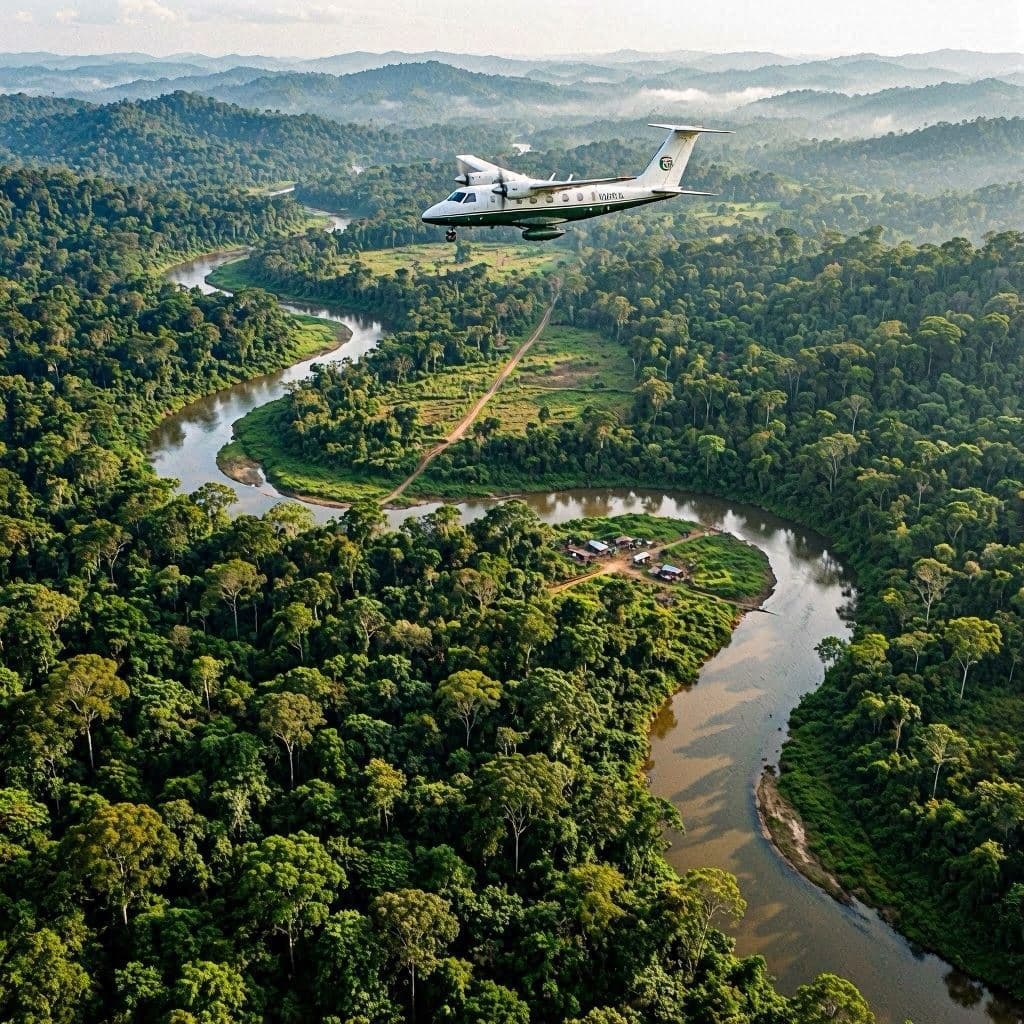
Key Highlights
- Brazil's new initiative targets illegal mining in the Amazon rainforest.
- Enhanced monitoring and enforcement measures are part of the strategy.
- Indigenous communities welcome the focus on protecting their traditional territories.
[Background on the Amazon Rainforest] The Amazon rainforest, often referred to as the lungs of the planet, is a critical ecosystem that supports an extraordinary variety of flora and fauna. It plays a crucial role in regulating the Earth's climate by absorbing carbon dioxide and producing oxygen. Additionally, the rainforest is home to numerous Indigenous communities whose lives and cultures are intricately linked to the land. As deforestation and illegal activities threaten this vital resource, the need for effective protection measures has never been more urgent.
[New Initiative Announced] In a significant move, the Brazilian government has unveiled a new initiative aimed at bolstering the protection of the Amazon rainforest. This program focuses on intensifying efforts against illegal mining, which has been a persistent issue contributing to environmental degradation. The initiative combines enhanced environmental enforcement, satellite monitoring, and improved collaboration among federal agencies tasked with safeguarding the environment, public security, and Indigenous rights.
[Challenges of Illegal Mining] Illegal mining poses a severe threat to the Amazon, leading to deforestation, river pollution, and the disruption of protected lands. These operations often involve the unauthorized extraction of valuable minerals, with environmental authorities reporting that mining equipment and temporary camps are frequently established in remote areas of the forest. The new measures aim to improve detection capabilities, increase enforcement efforts, and deter further unlawful activities.
[Technological Advancements in Monitoring] To combat illegal mining effectively, environmental agencies plan to leverage advanced technologies such as satellite imagery and aerial surveillance. These tools will enable quicker identification of illegal mining sites, allowing for timely intervention. Improved data sharing between environmental regulators and law enforcement will facilitate faster responses to suspicious activities, enhancing the overall effectiveness of the initiative.
[Indigenous Communities' Perspectives] Indigenous organizations have expressed support for the government's renewed focus on protecting their traditional territories from illegal activities. Many Indigenous communities rely on the health of the forests and rivers for their livelihoods, cultural practices, and food security. Environmental experts warn that unauthorized mining can introduce harmful pollutants, such as mercury, into waterways, posing risks to both ecosystems and local populations.
[Broader Implications of the Initiative] The protection of the Amazon rainforest carries significant economic and international implications. The region is integral to global climate goals, biodiversity conservation, and sustainable development efforts. As governments, researchers, and environmental organizations monitor conservation initiatives, the preservation of the Amazon is recognized as essential for maintaining environmental stability beyond South America.
[Conclusion] Analysts stress that effective forest protection must be paired with economic opportunities for local communities. Initiatives that promote sustainable agriculture, ecotourism, and responsible resource management can alleviate pressure on protected forests while providing alternative income sources. Brazil's new initiative represents a crucial step in balancing environmental conservation with national development objectives. While challenges persist, authorities are hopeful that enhanced coordination, advanced monitoring technologies, and collaboration with local communities will help ensure the Amazon's preservation for future generations.
Published by Banx Network. This article is part of the Banx decentralized media programme, powered by the BXE token on the XRP Ledger.




