In moments of profound crisis, the instinct to protect life transcends borders and politics. The United States recently led a complex evacuation operation to remove civilians from a region engulfed in security turmoil. This effort, reported by Reuters, highlights the logistical challenges and moral imperatives involved in humanitarian interventions during times of conflict.
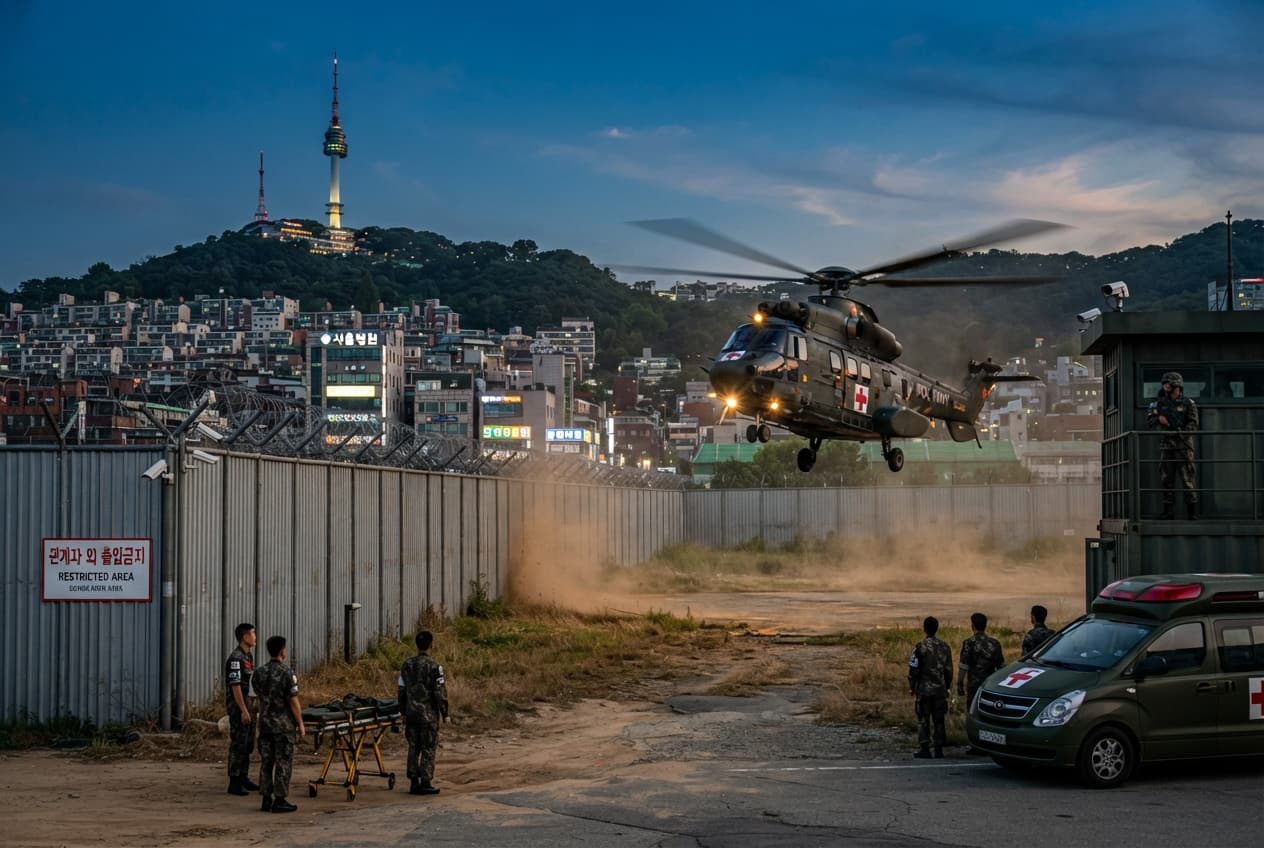
The operation involved coordination with allied nations, local authorities, and international organizations to ensure safe passage for those at risk. Military assets, including transport aircraft and naval vessels, were deployed to facilitate the movement of people from danger zones to secure locations. The scale of the undertaking required precise planning and execution under pressure.
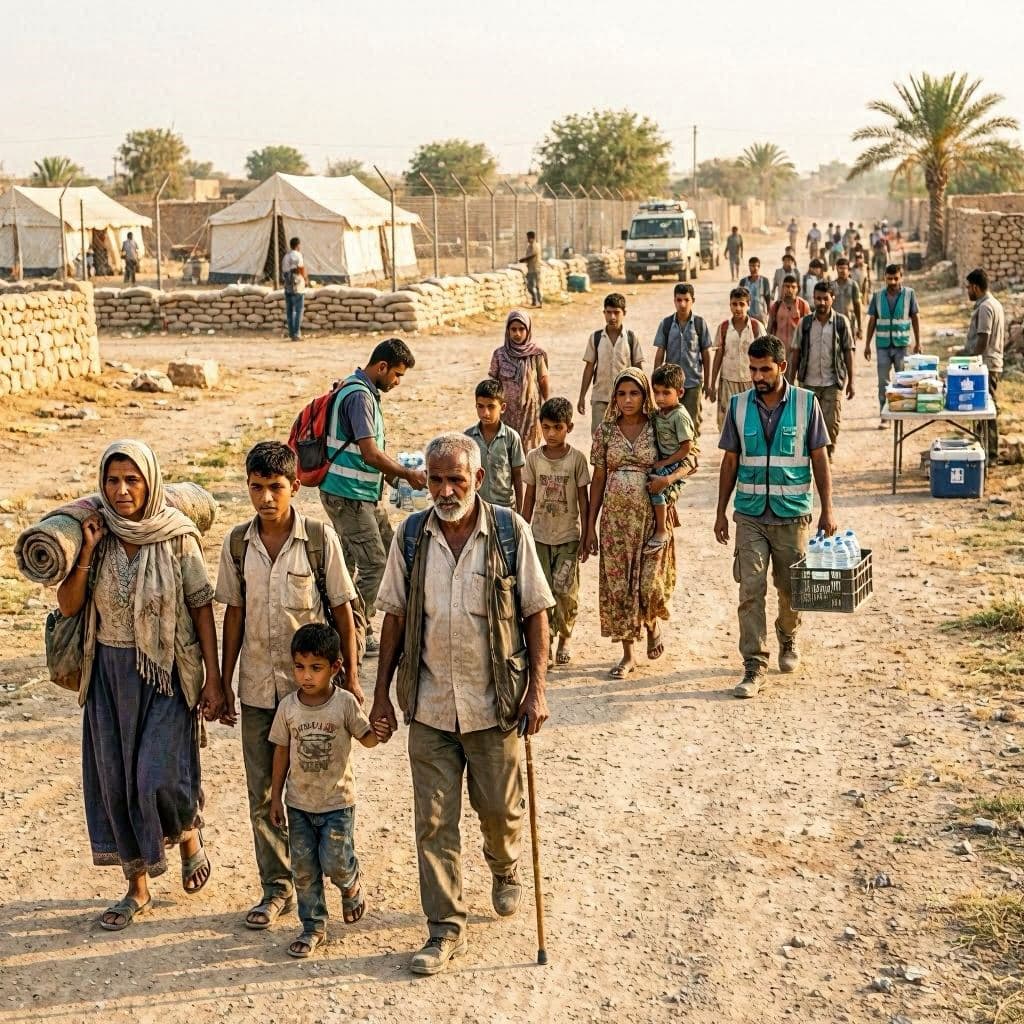
For the evacuees, the journey was one of relief mixed with uncertainty. Leaving behind homes and livelihoods is a traumatic experience, yet the alternative—remaining in a volatile environment—posed greater threats to their safety. The U.S. government prioritized vulnerable groups, including children, the elderly, and those with medical needs, ensuring they received immediate attention.
Diplomatic channels played a crucial role in securing agreements for safe corridors and access to airports or ports. Negotiations with local factions and neighboring countries were essential to prevent interference and ensure the smooth flow of the evacuation. These behind-the-scenes efforts are often unseen but are critical to the success of such missions.
The international community watched closely, recognizing the precedent set by this operation. While the U.S. took the lead, contributions from other nations underscored the shared responsibility for human rights and safety. This collaborative spirit is vital in addressing global crises that no single country can manage alone.
Challenges remained, including the identification of eligible individuals and the management of large crowds in chaotic settings. Security personnel worked tirelessly to maintain order and provide assistance, demonstrating professionalism and compassion in difficult circumstances. Their efforts ensured that the operation proceeded with minimal incident.
As the last flights departed, the focus shifted to resettlement and support for the displaced. The evacuation was not an end but a beginning of a longer journey toward stability and recovery. The U.S. commitment to this process reflects a broader dedication to humanitarian values in an unstable world.
Closing: The United States led a major civilian evacuation from a conflict zone, coordinating with allies to ensure safe passage for thousands. This operation underscores the complexities of humanitarian aid and the importance of international cooperation in crisis situations.
AI Image Disclaimer: Visuals accompanying this article are AI-generated and intended for illustrative purposes only.
Sources: Reuters, U.S. Department of Defense, International Humanitarian Organizations
Published by Banx Network. This article is part of the Banx decentralized media programme, powered by the BXE token on the XRP Ledger.