

Key Highlights
- Evacuation Operation:The U.S. led a significant evacuation of civilians from a conflict zone.
- International Coordination:The operation involved collaboration with allied nations and organizations.
- Focus on Vulnerable Groups:Priority was given to children, the elderly, and those with medical needs.
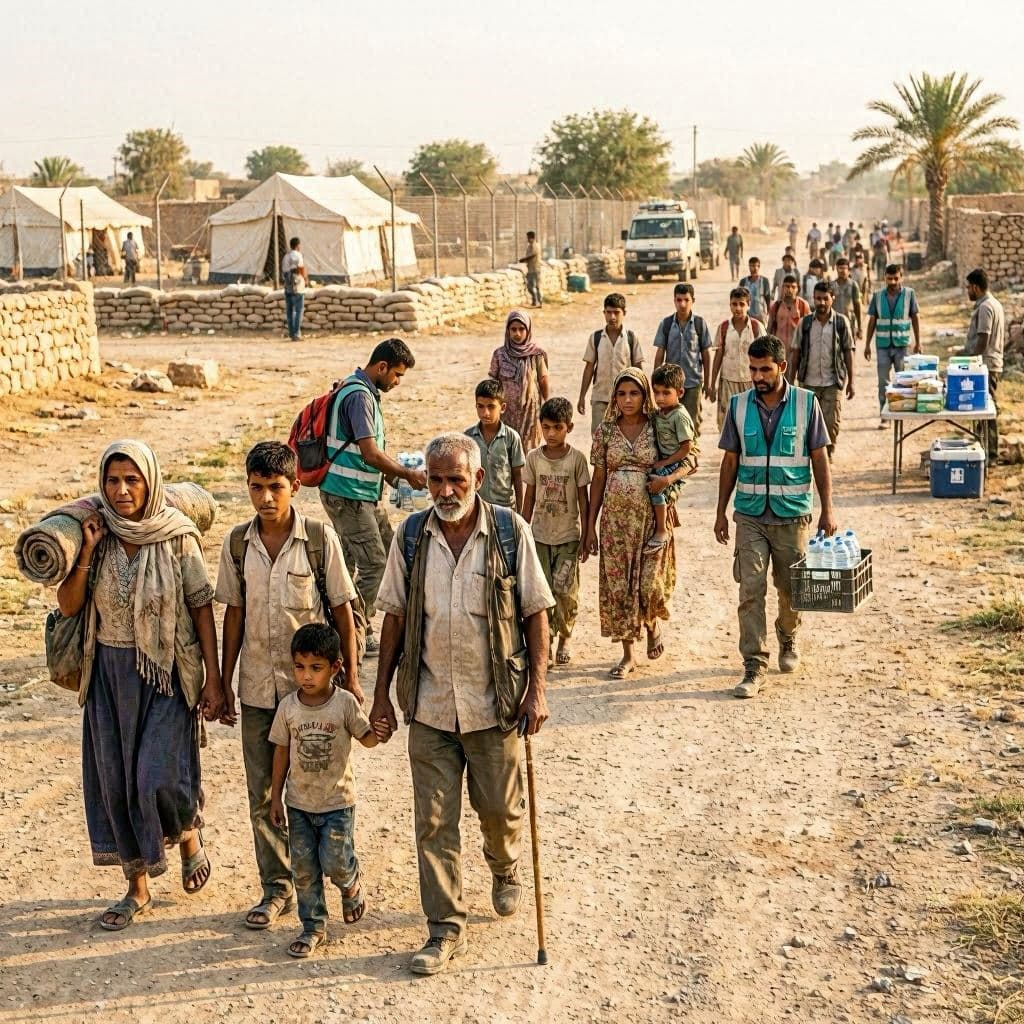
The United States recently spearheaded a complex evacuation operation aimed at removing civilians from a region engulfed in security turmoil. This operation, reported by various news outlets, underscores the logistical challenges and moral imperatives involved in humanitarian interventions during times of conflict. The evacuation was not merely a logistical exercise but a profound humanitarian effort reflecting the instinct to protect life, transcending borders and politics.
The operation required meticulous coordination with allied nations, local authorities, and international organizations to ensure safe passage for those at risk. Military assets, including transport aircraft and naval vessels, were deployed to facilitate the movement of people from danger zones to secure locations. The scale of this undertaking necessitated precise planning and execution under immense pressure, showcasing the U.S. military's logistical capabilities.
For the evacuees, the journey was fraught with mixed emotions—relief intertwined with uncertainty. Leaving behind homes and livelihoods is a traumatic experience, yet the alternative—remaining in a volatile environment—posed greater threats to their safety. The U.S. government prioritized vulnerable groups, including children, the elderly, and individuals with medical needs, ensuring they received immediate attention and support throughout the process.
Diplomatic channels played a crucial role in securing agreements for safe corridors and access to airports or ports. Negotiations with local factions and neighboring countries were essential to prevent interference and ensure the smooth flow of the evacuation. These behind-the-scenes efforts, often unseen, are critical to the success of such missions and highlight the importance of diplomacy in crisis situations.
The international community observed closely, recognizing the precedent set by this operation. While the U.S. took the lead, contributions from other nations underscored the shared responsibility for human rights and safety. This collaborative spirit is vital in addressing global crises that no single country can manage alone, emphasizing the need for international cooperation in humanitarian efforts.
Challenges persisted, including the identification of eligible individuals and the management of large crowds in chaotic settings. Security personnel worked tirelessly to maintain order and provide assistance, demonstrating professionalism and compassion in difficult circumstances. Their efforts ensured that the operation proceeded with minimal incidents, reflecting the dedication of those involved in the evacuation.
As the last flights departed, the focus shifted to resettlement and support for the displaced individuals. The evacuation marked not just an end but the beginning of a longer journey toward stability and recovery. The U.S. commitment to this process reflects a broader dedication to humanitarian values in an increasingly unstable world, reinforcing the importance of ongoing support for those affected by conflict.
Published by Banx Network. This article is part of the Banx decentralized media programme, powered by the BXE token on the XRP Ledger.




